The Value of Soup and its Place in the Meal
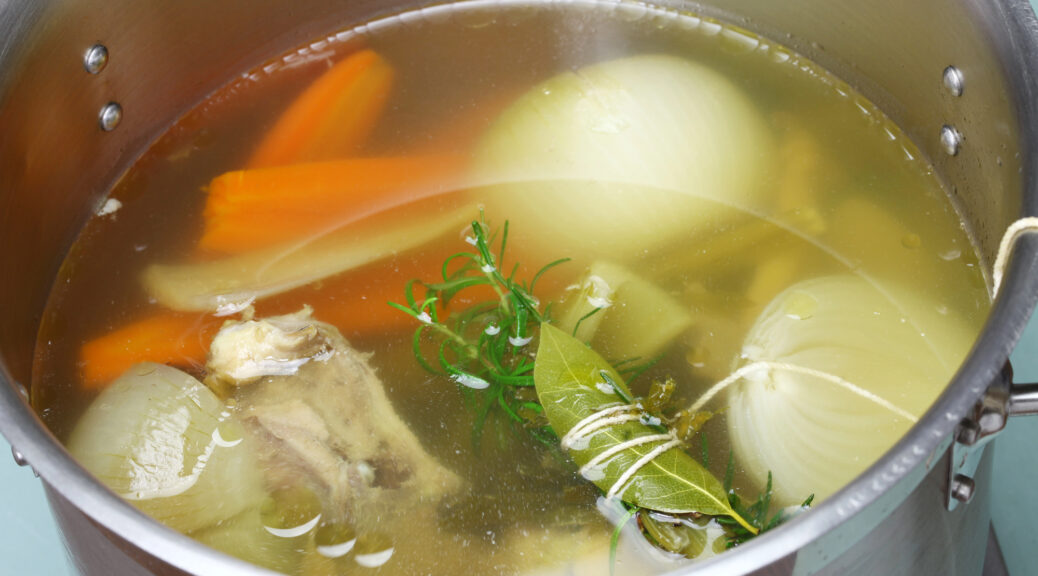
Making homemade soup isn’t hard today with the convenience of a Crock Pot, Instant Pot, or other modern cooking device. But there was no electricity in homes during the 1800s, so it was a little more complicated. Once you accomplished the skill of knowing how to regulate the heat in your wood-burning stove, you could use a huge pot to simmer soup for hours, letting the ingredients all meld together for a wonderful appetizer or first course.
INFORMATION BELOW COMPILED FROM 1800s COOKBOOKS
VALUE OF SOUP IN THE MEAL
Some persons consider soup to be of no more value than so much water, claiming that it should be fed to none but children or sick persons who are unable to take solid food. On the other hand, many persons believe that soup contains the very essence of all that is nourishing and sustaining in the foods of which it is made.
With its variety and the ingredients of which it is composed of, soup serves two purposes. First, as an appetizer to stimulate the appetite and aid in the flow of digestive juices in the stomach. And second, as an actual part of the meal, when it must contain sufficient nutritive material.
Much of the prejudice to soup is due to it often being unappetizing in both flavor and appearance. Soup should not be greasy nor insipid in flavor, neither should it be served in large quantities nor without the proper accompaniment. A small quantity of well-flavored, attractively served soup cannot fail to meet the approval of any family when it is served as the first course of the meal.
The base of your soup should always be uncooked meat. To this may be added, if you like, cracked bones of cooked game, or of underdone beef or mutton; but for flavor and nourishment, depend upon the juices of the meat which was put in raw. Cut this into small pieces and beat the bones until they are fractured at every inch of its length. Put them on in cold water, without salt, and heat very slowly. Do not boil fast at any stage of the operation. Keep the pot covered, and do not add the salt until the meat is thoroughly done, as it has a tendency to harden the fibers and restrain the flow of the juices. Strain—always through a colander, after which clear soups should be filtered through a hair-sieve* or coarse bobbinet lace. The bag should not be squeezed.
It is slovenly to leave rags of meat, husks of vegetables and bits of bone in the tureen.
Do not uncover until you are ready to ladle out the soup. Do this neatly and quickly, having your soup-plates heated beforehand.
Most soups are better the second day than the first, unless they are warmed over too quickly or left too long upon the fire after they are hot. In the one case they are apt to scorch; in the other they become insipid.
*hair sieve – a strainer with a wiry fabric bottom usually woven from horsehair.
ECONOMIC VALUE OF SOUP
Besides having an important place in the meal, soup is very often an economy, for it affords the housewife a splendid opportunity to utilize many left-overs. Persons who believe in the strictest food economy use a stock pot, since it permits left-overs to be utilized in an attractive and palatable way. In fact, there is scarcely anything in the way of fish, meat, fowl, vegetables, and cereals that cannot be used in soup making, provided such ingredients are cared for in the proper way. Very often the first glance at the large number of ingredients listed in a soup recipe creates the impression that soup must be a very complicated thing. Such, however, is not the case. In reality, most of the soup ingredients are small quantities of things used for flavoring, and it is by the proper blending of these that appetizing soups are secured.
CLASSIFICATION OF SOUPS
Soups are sometimes named from the principal ingredient, as the names potato soup, beef soup, macaroni soup, and mock-turtle soup* testify. Both stimulating and nutritious soups may be divided into thin and thick soups, thin soups usually being clear, and thick soups, because of their nature, cloudy. When the quality of soups is considered, they are placed in still different classes and are called broth, bisque, consommé, purée, and so on. Another important classification of soups results from the nationality of the people who use them.
*mock-turtle soup – a cheaper substitute for green turtle soup. A calf’s head was substituted for turtle.
CLEAR SOUPS are those made from carefully cleared stock and flavored or garnished with a material from which the soup usually takes its name. In order to be palatable, they require considerable care in making.
THICK SOUPS are also made from stock, but milk, cream, water, or any mixture of these may be added. Meat. fish, vegetables, eggs, grain or some other starchy material may also be added for thickening Soups of this kind are often made too thick, and are not appetizing. Care must be taken to have them just right in consistency.
BROTHS have for their foundation a clear stock. They are sometimes a thin soup, but other times they are made quite thick with vegetables, rice, barley, or other material, when they are served as a substantial part of a meal.
CREAM SOUPS are highly nutritious and are of great variety. They have for their foundation a thin cream sauce, but to this are always added vegetables, meat, fish, or grains.
BISQUES are thick, rich soups made from game, fish, or shell fish, particularly crabs, shrimp, etc. Occasionally, vegetables are used in soup of this kind.
CHOWDERS are soups that have sea food for their basis. Vegetables and crackers are generally added for thickening and to impart flavor.
PURÉES are soups made thick partly or entirely by the addition of some material obtained by boiling an article of food and then straining it to form a pulp. When vegetables containing starch, such as beans, peas, lentils, and potatoes are used for this purpose, it is unnecessary to thicken the soup with any additional starch; but when meat, fish, or watery vegetables are used, other thickening is required. To be right, a purée should be nearly as smooth as thick cream and of the same consistency.
=================================================
Do You Make Soup from Scratch? Please Leave a Comment Below.
=================================================
YOU MAY ALSO LIKE THESE POSTS