Blog

Ways to Preserve Vegetables for the Winter

Ways to Preserve Vegetables for the Winter

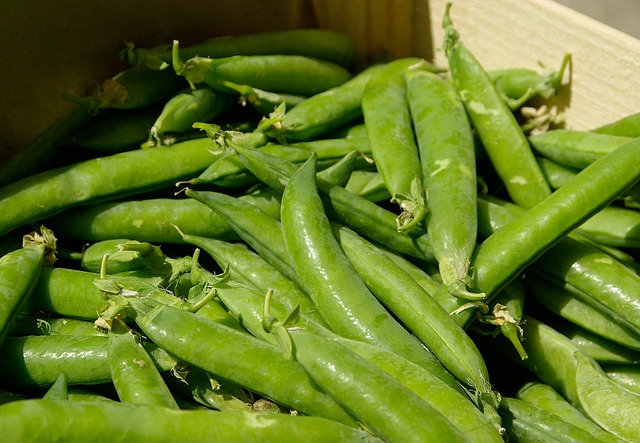
During most of the 1800s, people ate fresh garden produce seasonally. People didn’t begin home canning until the invention of the Mason jar in 1858 and it took a while for canning to become popular. So they needed to preserve their produce to have during the winter months, and making sure it was as fresh tasting as possible. No one wanted mushy or rotten vegetables because they weren’t stored properly. RECIPES BELOW COMPILED FROM 1800s COOKBOOKS PROPER PLACE FOR PRESERVING…

Read More Read More

Beef Soup and Stew Recipes

Beef Soup and Stew Recipes

Making soup in the 1800s was a long process, requiring it to simmer for hours on the stove. Commercially canned soup only became available in the late 1800s. The largest and most popular company was Campbell’s, which began selling canned soup in 1895. And in 1897, Campbell’s chemist John T. Dorrance developed condensed soup by removing much of the water. This made soup cheaper to ship, store, and buy. and was certainly more convenient. One of the recipes below is…

Read More Read More

A Good Cook Never Wastes

A Good Cook Never Wastes

It’s always good to save time and money on kitchen chores and food. Today, we can find advice in physical books, ebooks, on blogs, and on social media. In the 1800s, people found advice in cookbooks and newspapers. INFORMATION BELOW FROM 1800s COOKBOOKS “A good cook never wastes. It is her pride to make the most of everything in the shape of food entrusted to her care, and her pleasure to serve it in the most appetizing form. In no…

Read More Read More

Recipes for Savory Fritters

Recipes for Savory Fritters

The terms fritter and croquette are often used interchangeably, but there are differences. A fritter has a runny batter or dough that is dropped into hot fat and fried. A croquette has a thicker batter, often breaded, and is shaped into balls, patties, or logs before frying.  RECIPES BELOW FROM 1800s COOKBOOKS Fritters are served for luncheon, dinner or supper, as an entree, a vegetable or a sweet, according to the ingredients used. The foundation batter is much the same…

Read More Read More

How to Cook Beef Kidneys

How to Cook Beef Kidneys

In the 1800s, offal like kidneys was widely used in American cooking, but usually only by the working‑class. Beef meat in general, was relatively cheap, so middle‑class cooks did not need to use organ meats. But during World War II, the U.S. government actively promoted organ meats as a patriotic alternative so that prime cuts could be shipped to soldiers overseas. Many foods were rationed, including meat, but not offal. After the war ended, most Americans wanted to eat familiar muscle cuts…

Read More Read More

Simple Salads Without Greens

Simple Salads Without Greens

Cookbooks from the 1800s did include recipes for salads made from greens, but these salads were eaten seasonally until commercial refrigeration became available in the late 1800s. The following salad recipes are interesting and unusual. INFORMATION BELOW FROM 1800s COOKBOOKS ITALIAN SALADTake six cold, cooked potatoes, cut in dice, six flaked sardines, three small cucumber pickles, chopped, and a stalk of celery cut fine. Add French dressing. PIMENTO SALADTake several hard-boiled eggs cut into eighths. Add half the quantity of…

Read More Read More

Never Waste Stale Bread

Never Waste Stale Bread

Food in the 1800s was too precious to waste. When you consider the time and effort of making homemade bread, you can understand why cooks made use of bread that went stale. INFORMATION BELOW FROM 1800s COOKBOOKS — Cut stale bread into small pieces, the size of dice. Brown in a hot oven (about 400-450 degrees Fahrenheit) and serve with soup instead of serving crackers. — Small pieces of bread that cannot be used otherwise should be spread over a…

Read More Read More

How to Roast and Boil Coffee

How to Roast and Boil Coffee

For most of the 1800s, Americans bought green coffee beans in bulk and roasted and ground them at home. Pre-roasted and especially pre-ground coffee only became common toward the later part of the century. Many people simply boiled ground coffee in a metal kettle or pot over the hearth or stove, then let the grounds settle before pouring. Later in the century, early percolators and siphon brewers, made in various metals, ceramics, and sometimes glass were invented. INFORMATION BELOW FROM…

Read More Read More