Browsed by
Category: Meat

Beef Soup and Stew Recipes

Beef Soup and Stew Recipes

Making soup in the 1800s was a long process, requiring it to simmer for hours on the stove. Commercially canned soup only became available in the late 1800s. The largest and most popular company was Campbell’s, which began selling canned soup in 1895. And in 1897, Campbell’s chemist John T. Dorrance developed condensed soup by removing much of the water. This made soup cheaper to ship, store, and buy. and was certainly more convenient. One of the recipes below is…

Read More Read More

How to Cook Beef Kidneys

How to Cook Beef Kidneys

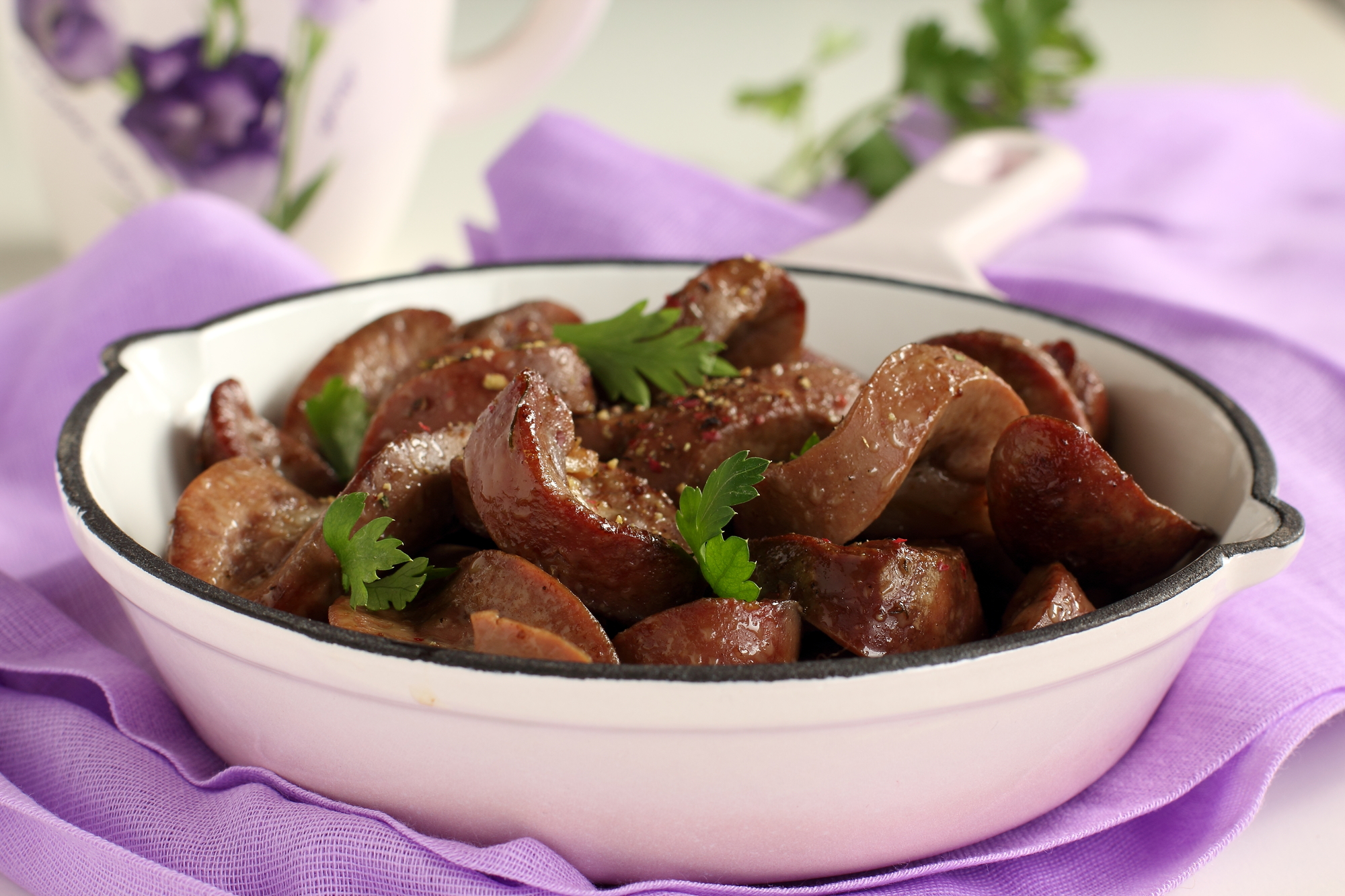
In the 1800s, offal like kidneys was widely used in American cooking, but usually only by the working‑class. Beef meat in general, was relatively cheap, so middle‑class cooks did not need to use organ meats. But during World War II, the U.S. government actively promoted organ meats as a patriotic alternative so that prime cuts could be shipped to soldiers overseas. Many foods were rationed, including meat, but not offal. After the war ended, most Americans wanted to eat familiar muscle cuts…

Read More Read More

How to Cook Roast Beef and Yorkshire Pudding

How to Cook Roast Beef and Yorkshire Pudding

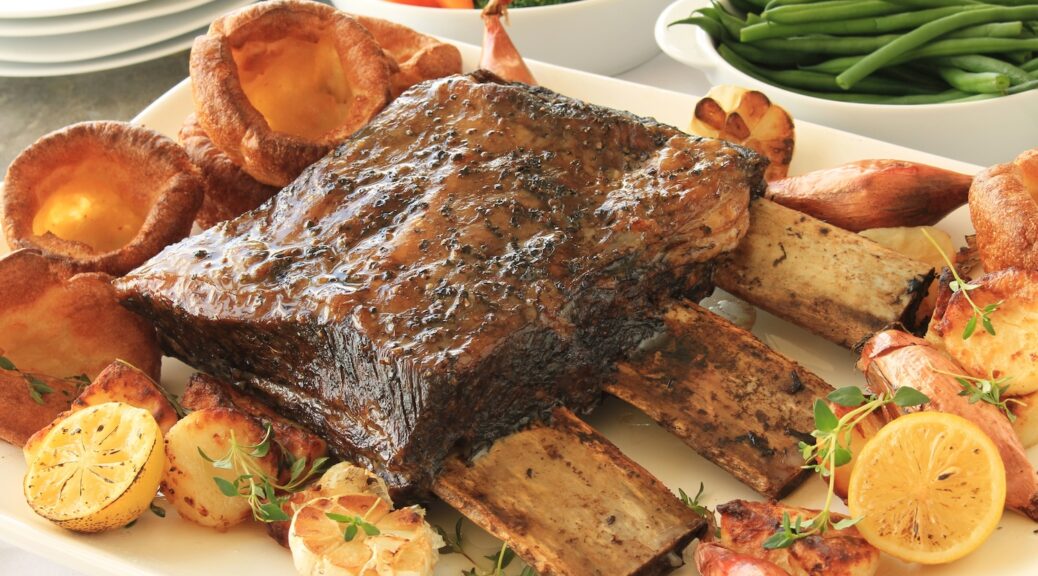
Recipes in 1800s cookbooks provided ingredients and cooking instuctions, but were were vague as to heat tenmperature and cooking times. People cooked using a fireplace or wood burning stove, and had to learn how hot different types of wood would burn. Electric stoves weren’t introduced in the U.S. until the 1910-1930 time frame. Oven thermometers were introduced around 1915. INFORMATION BELOW FROM 1800s COOKBOOKS Roast Beef with Yorkshire Pudding ~ Have three ribs of prime beef prepared by the butcher…

Read More Read More

Roast Goose and Christmas Goose Pie

Roast Goose and Christmas Goose Pie

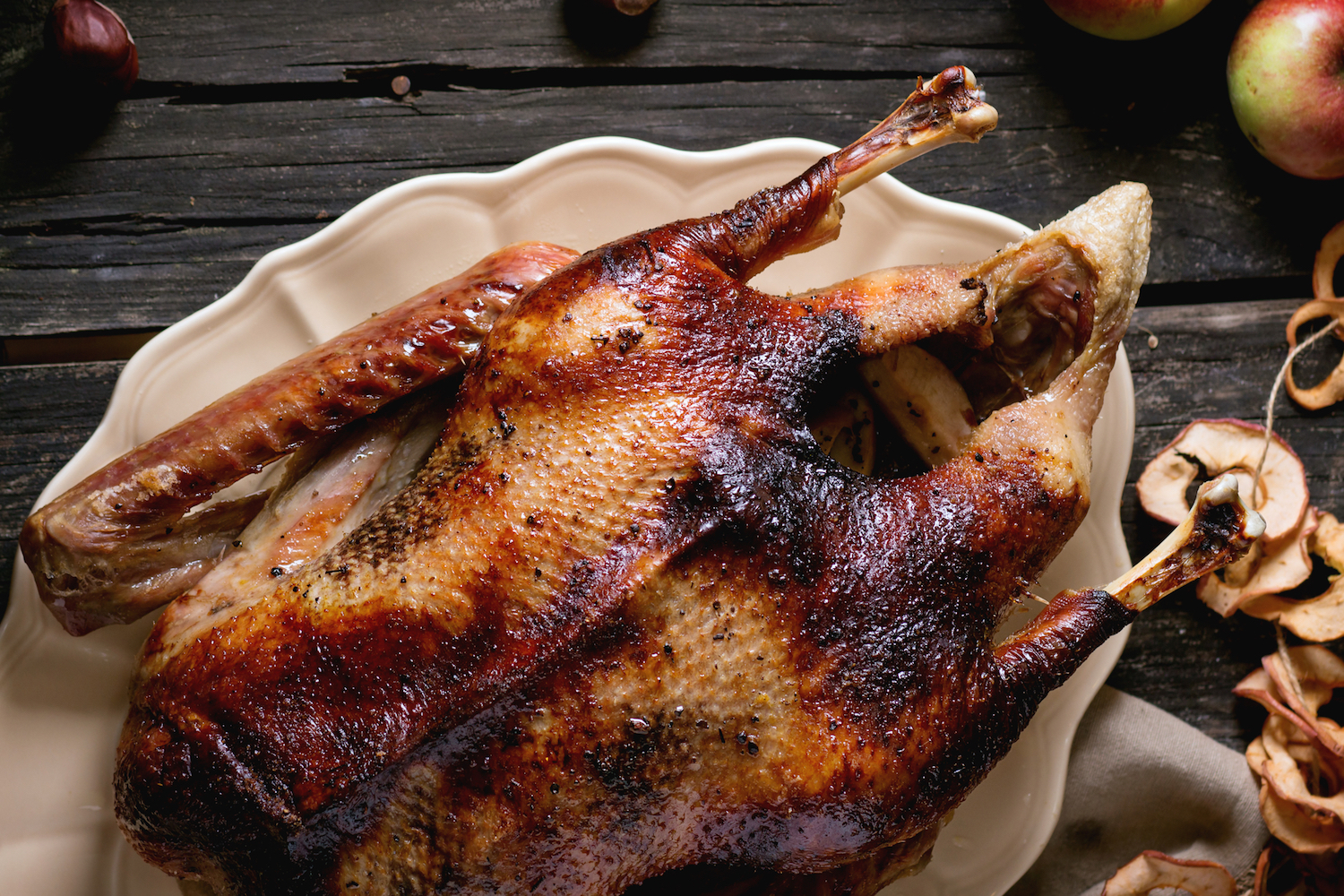
Although people in the 1800s did hunt wild geese, a Christmas or holiday goose was more often a barnyard bird raised on farms. Wild geese are leaner, more muscular, and often older birds than domestic ones. Therefore, they need to be cooked a little differently. Recipes in cookbooks, unless specifically a cookbook for game, are for cooking geese raised on farmland. In the mid to late 1800s, though, turkey began overtaking goose as the meat for winter holidays. It was…

Read More Read More

Larding and Daubing Lean Meat

Larding and Daubing Lean Meat

“Many kinds of meat which are very lean and dry are improved by the addition of some kind of fat. Larding is accomplished by cutting strips of salt pork lengthwise with the rind two inches long and one quarter inch wide, and with aid of the larding needle, drawing these pieces through the surface of the meat, taking a stitch an inch long and a quarter inch deep. The tenderloin or fillet of beef, the thick part of the leg…

Read More Read More

Brisket of Beef Recipes

Brisket of Beef Recipes

The brisket is a cut of beef from the lower chest area of the cow, located between the front legs and beneath the chuck (shoulder). It supports much of the cow’s body weight, making it a tough, well-exercised muscle. Due to its toughness, it should be cooked slowly and at low temperatures. Brisket is especially popular in the western states. Brisket cookng in a smoker or over a fire smells and tastes wonderful! INFORMATION BELOW COMPILED FROM 1800s COOKBOOKS: BRISKET OF…

Read More Read More

What is Aspic / Meat Jelly?

What is Aspic / Meat Jelly?

Aspic is a savory stock made from cooking meat slowly, creating a natural gelatin that thickens, then turns to a jelly when it cools. In the past, aspics were used to preserve meats because the gelatin helped keep out air and bacteria.  In the late 1800s, Charles Knox created a commercial gelatin, which saved a lot of time. Aspic can be used as a glaze, garnish, or prepared in a mold with foods such as meat, fruits, or vegetables set…

Read More Read More

How to Try Out (Render) Lard

How to Try Out (Render) Lard

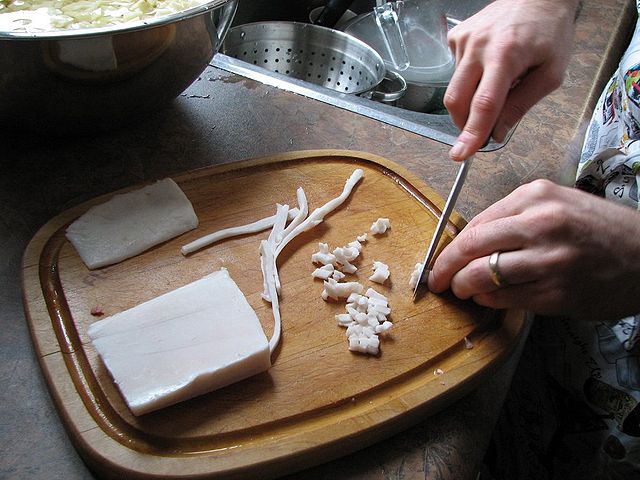
LARD is white fat from a pig, used for cooking and flavoring. This fat is called lard whether it’s been tried out (rendered) or not. Trying out is melting fat to skim out the impurities so it is clean to cook with. When lard is rendered rather than used directly from the pig, it rarely has any odor or particular tasts. A similar fat from cattle or sheep is called tallow. INFORMATION BELOW COMPILED FROM 1800s COOKBOOKS: PRESSED LARD Every…

Read More Read More