Browsed by
Category: Soups

Beef Soup and Stew Recipes

Beef Soup and Stew Recipes

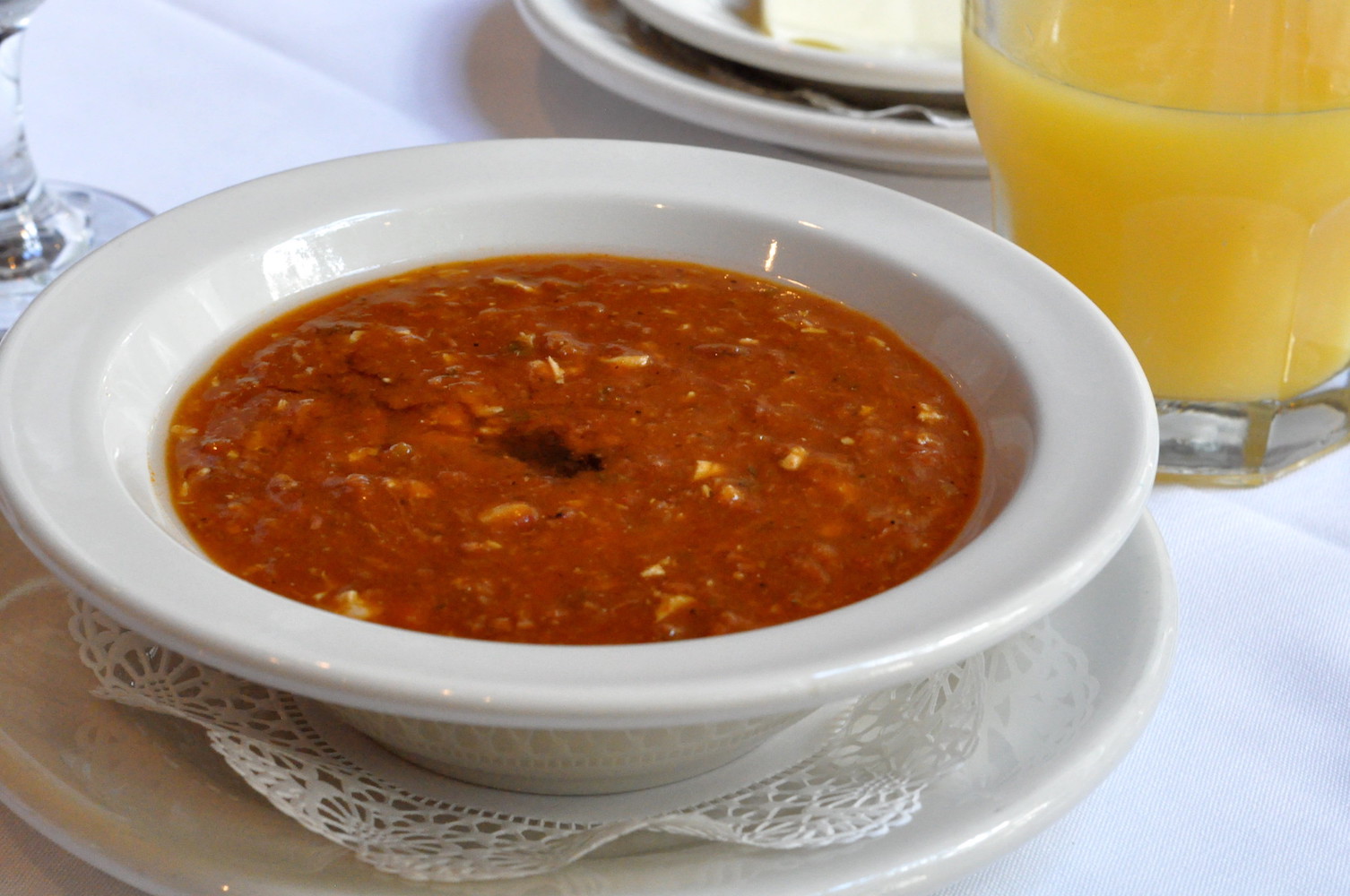
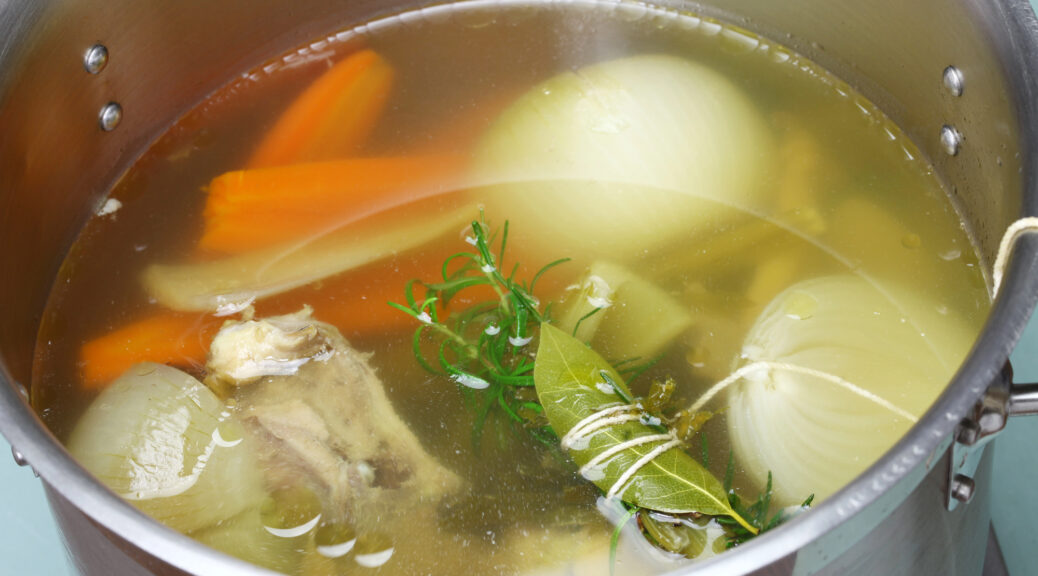
Making soup in the 1800s was a long process, requiring it to simmer for hours on the stove. Commercially canned soup only became available in the late 1800s. The largest and most popular company was Campbell’s, which began selling canned soup in 1895. And in 1897, Campbell’s chemist John T. Dorrance developed condensed soup by removing much of the water. This made soup cheaper to ship, store, and buy. and was certainly more convenient. One of the recipes below is…
Read More Read More

The Value of Soup and its Place in the Meal

The Value of Soup and its Place in the Meal

Making homemade soup isn’t hard today with the convenience of a Crock Pot, Instant Pot, or other modern cooking device. But there was no electricity in homes during the 1800s, so it was a little more complicated. Once you accomplished the skill of knowing how to regulate the heat in your wood-burning stove, you could use a huge pot to simmer soup for hours, letting the ingredients all meld together for a wonderful appetizer or first course. INFORMATION BELOW COMPILED…

Read More Read More

How to Make Tasty Vegetable Purées

How to Make Tasty Vegetable Purées

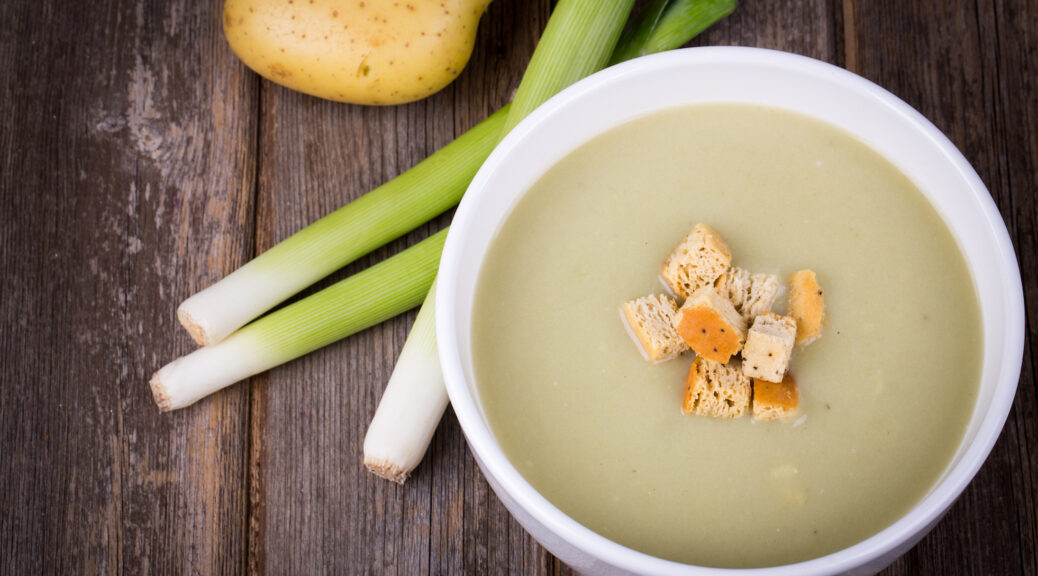
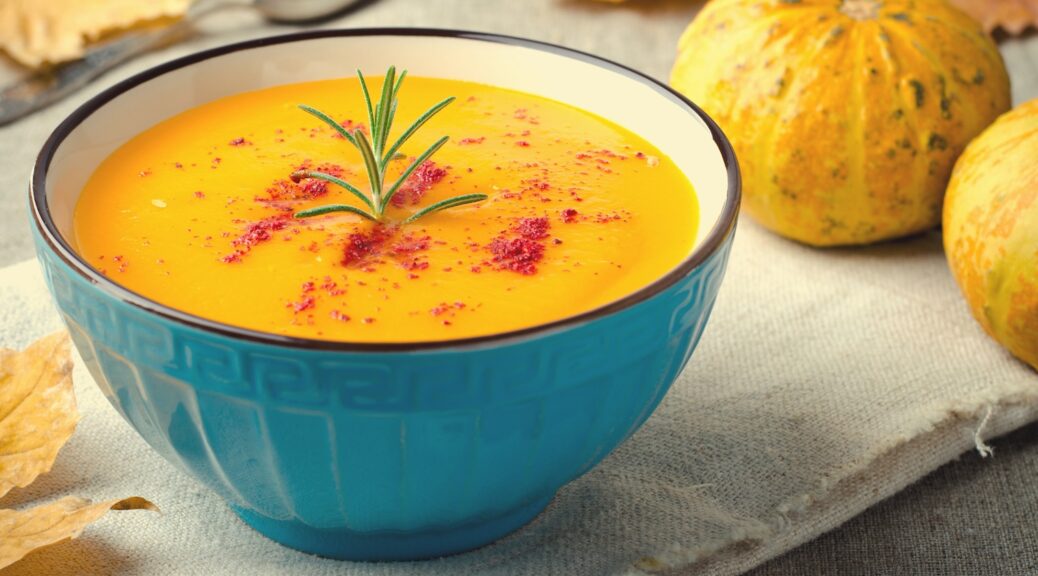
A purée is a cooked food, usually made from fruits or vegetables. The cooked food is pushed through a sieve, or put in a blender or food processor to achieve a smooth, creamy consistency. Of course, in the 1800s, only sieves were used since blenders and food processors run on electricity. Purées can be similar to cream soups, which are made with a base of cream or milk. Cream soups usually are made with vegetables, too, which are cooked until tender, then…

Read More Read More

Ways to Use Nutritious Bone Marrow

Ways to Use Nutritious Bone Marrow

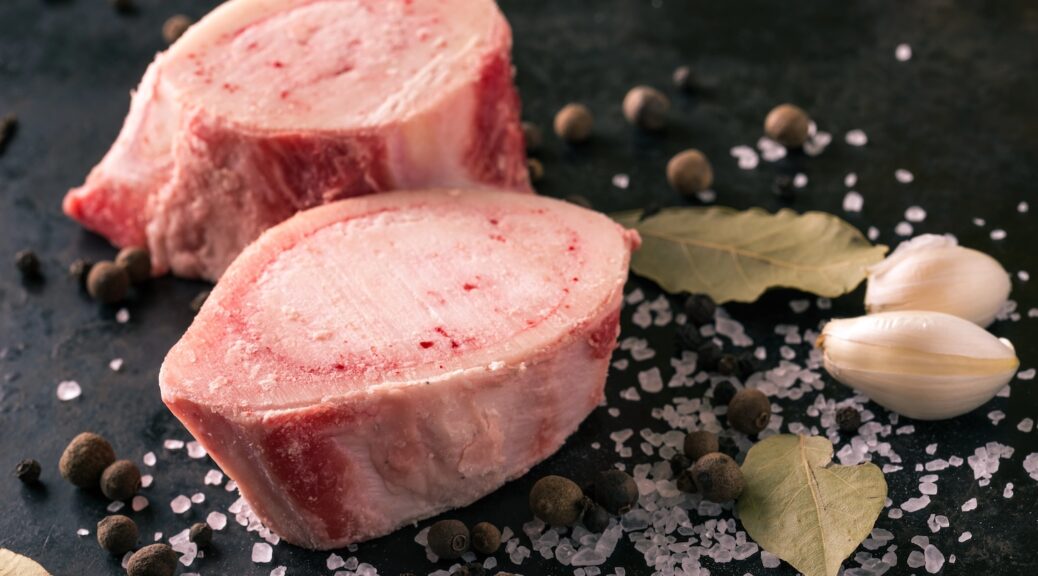
When we buy beef at the grocery store, the bone is often removed and the fat trimmed away. But in the past, people used all parts of the animal, both because they didn’t want to waste anything, but also for the nutrient value. Marrow bones are either the femur, shank or tibia bone of a steer that is cut for eating. The femur is the largest bone in the animal and has the best marrow to bone ratio. TruBeef Organic….

Read More Read More

Turtle Was a Popular Dish in the 1800s

Turtle Was a Popular Dish in the 1800s

Many cookbooks from the 1800s included recipes for cooking turtle; snapping turtle, box turtle, sea turtle, and diamondback terrapin. Today, many species of turtles are endangered and it’s illegal to capture or kill them.  In the U.S., you can hunt diamondback terrapins and snapping turtles, but only in season and you must have a hunting license. INFORMATION BELOW COMPILED FROM 1800s COOKBOOKS: TURTLE SOUP Kill the turtle at daylight in summer, the night before in winter, and hang it up to bleed….

Read More Read More

How to Cook Ox-tails

How to Cook Ox-tails

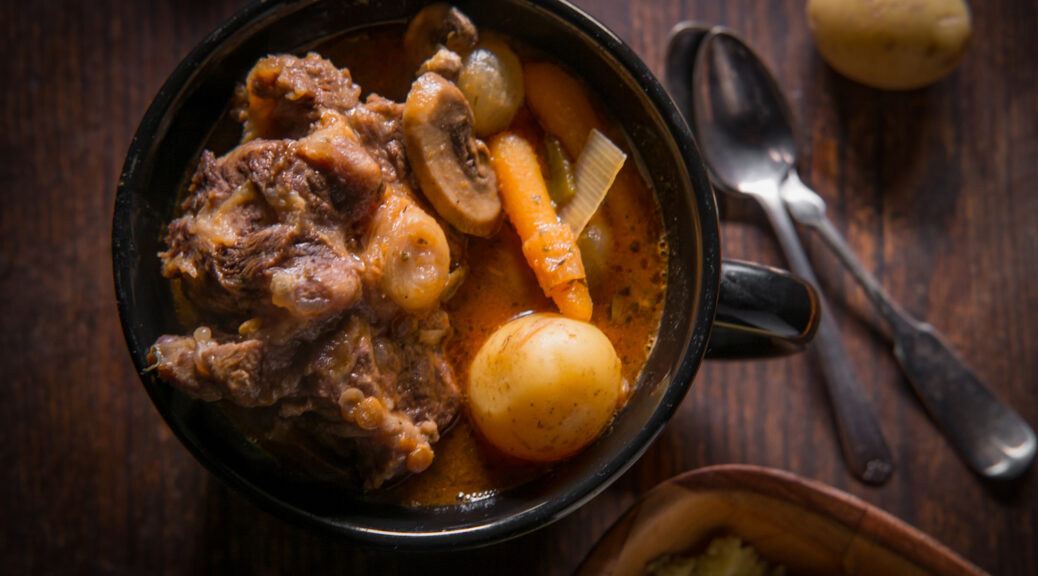
Ox-tail in cooking refers to the tail of cattle. An ox-tail can weigh weigh 7 to 8 pounds, is jointed and bony, and each section has some marrow in the center. When sold, it is skinned and cut into short sections.  Ox-tail is rich in gelatin and takes a long time to cook; therefore, it’s usually used for soups, braising, or stews. You could also use a pressure cooker if you wanted to save time.  INFORMATION BELOW FROM 1800s COOKBOOKS OX-TAIL Cut…

Read More Read More

Start With Plain White Soup Stock

Start With Plain White Soup Stock

  Cooks in the 1800s often made soup stock and used it for a base, adding various ingredients. Making homemade soup was a necessary skill because commercially prepared soups weren’t readily available until 1869. That’s when Joseph Campbell and Abraham Anderson began a company to produce canned foods (including soups). This was certainly a convenience! INFORMATION BELOW FROM 1800s COOKBOOKS White stock is an especially nice broth having a delicate flavor, made from veal and fowl. If allowed to remain…

Read More Read More

Soups for Four Seasons

Soups for Four Seasons

In the days before electrical refrigeration, soups were usually made with vegetables that were in season. Preparing and cooking soup took many hours. These four seasonal soups have meat as a base for flavoring, but the meat is never left in the soup to be eaten. Because of the long, slow cooking, all of the flavor is extracted and the meat discarded. INFORMATION BELOW FROM 1800s COOKBOOKS SPRING SOUPUnless your dinner hour is very late, the stock for this soup…

Read More Read More