Blog

Many Ways to Cook Bacon

Many Ways to Cook Bacon

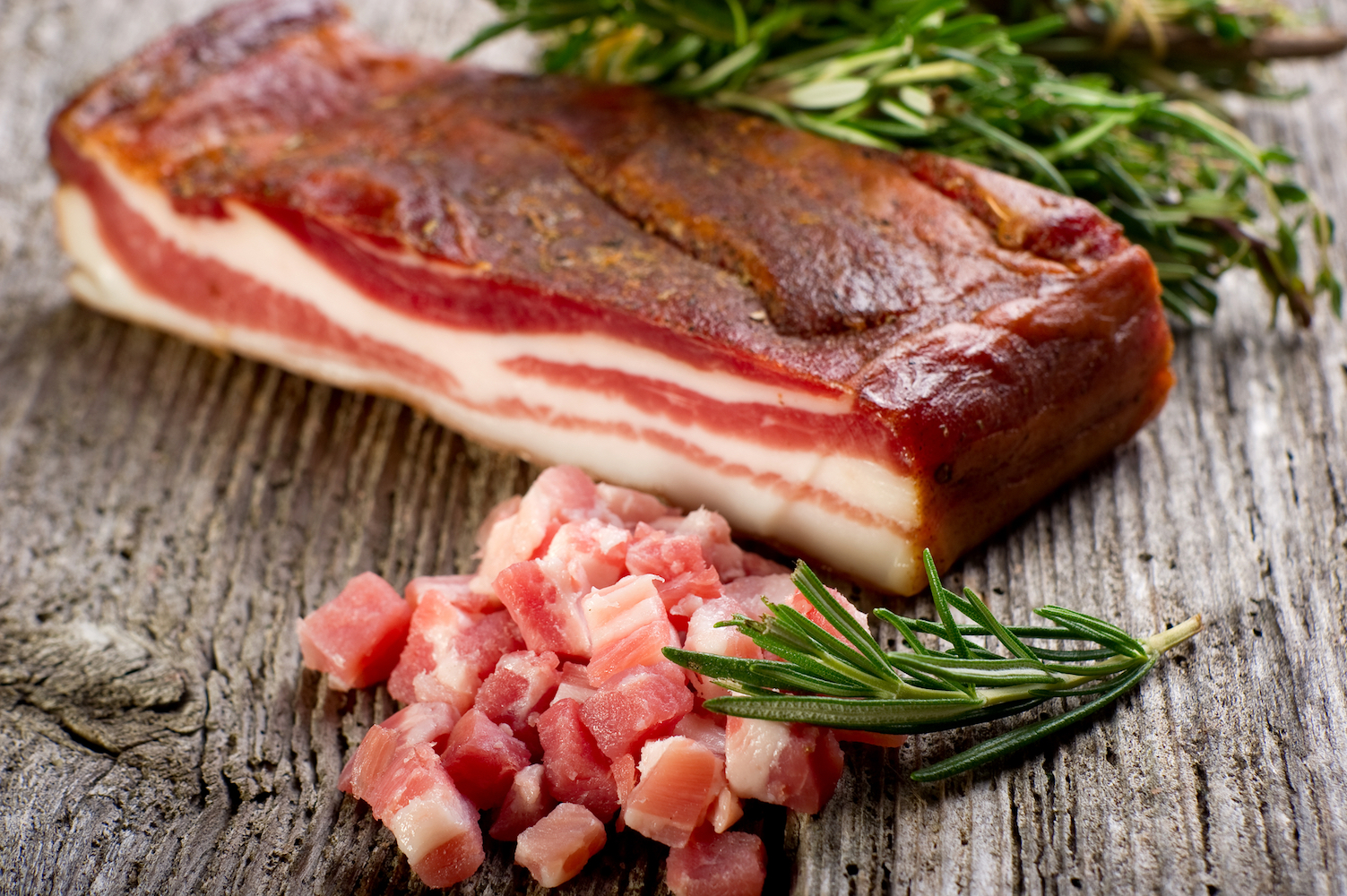
Bacon is pork meat that is salt-cured. Most bacon in the U.S. is pork cut from the side of the pig. It has long layers of fat that run parallel to the rind, and often called streaky bacon. Bacon in the U.K. is usually back bacon, which comes from the loin in the middle of the back of the pig, and is sometimes called Canadian bacon. I love the smell of bacon cooking and the taste is wonderful. I’ve only…
Read More Read More

Many Ways to Cook Green Peas

Many Ways to Cook Green Peas

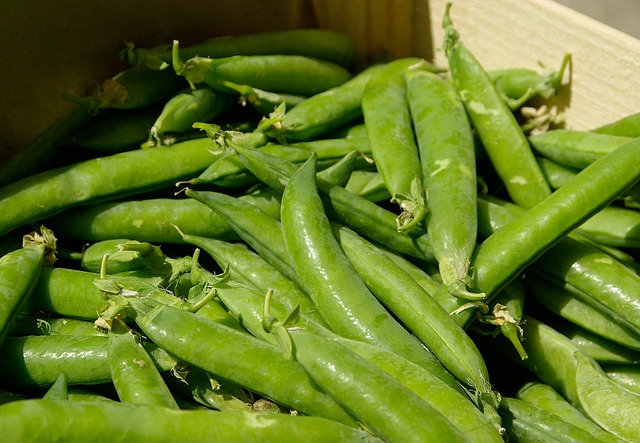
INFORMATION BELOW FROM 1800s COOKBOOKS GREEN PEAS When green peas are purchased, they are always found in the pods. They should appear to be well filled. Flat-looking pods mean that the peas have not matured sufficiently. When very young, their original flavor is so fresh and delicate, that any addition, except a little very fresh butter, would be certain to destroy their aroma. BOILED GREEN PEAS Do not shell peas until ready to cook. Boil a pan of water and…

Read More Read More

Making Homemade Cream Cheese

Making Homemade Cream Cheese

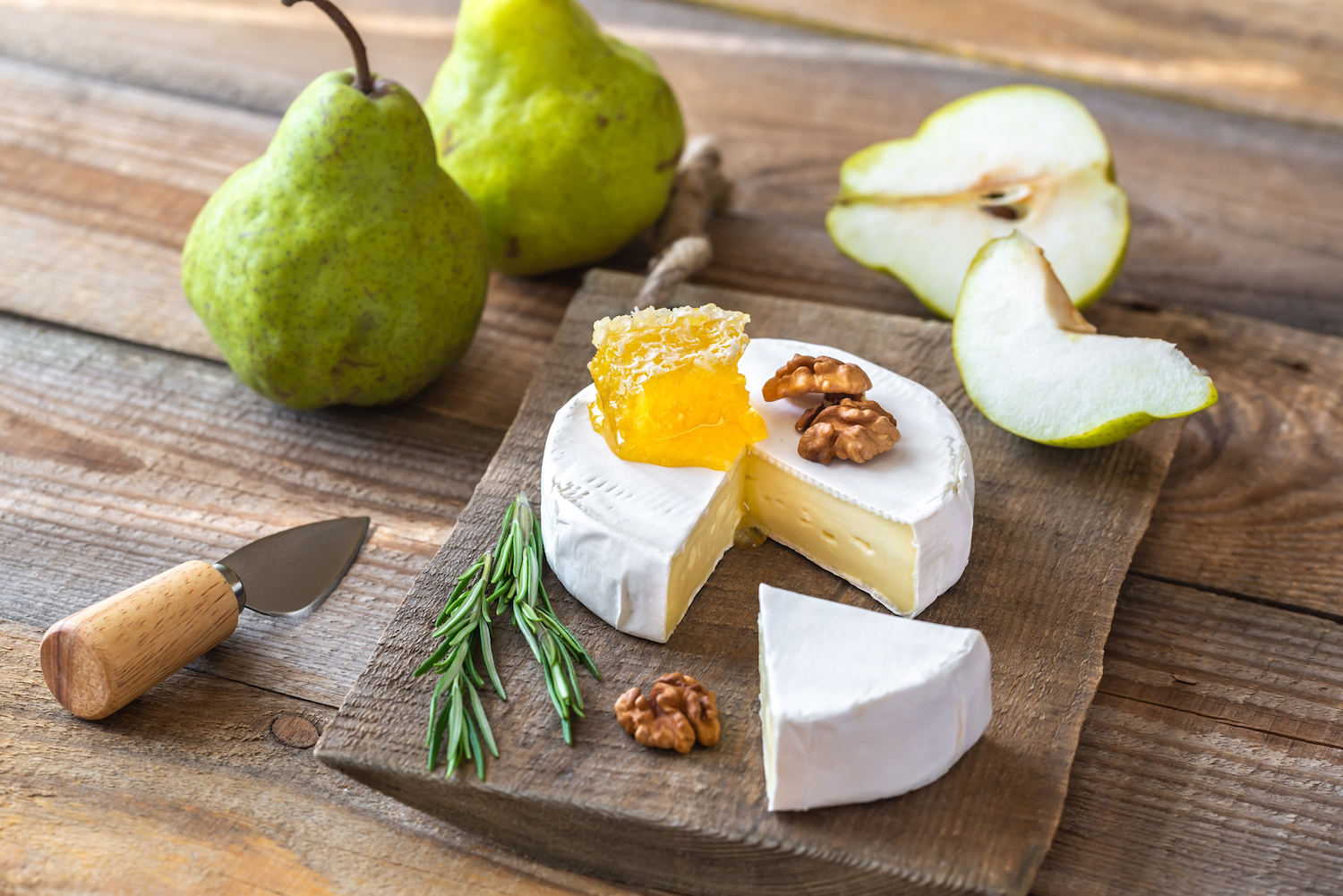
In the 1800s, cheese was made from unpasteurized raw milk. The first commercial pasteurized milk was produced in 1882, but the first law to require milk to be pasteurized wasn’t passed until 1908. (source). Cream cheese was a popular cheese to make in the 1800s since it doesn’t have to be aged. For more information on making cheese in modern times, you may want to visit the New England Cheese Making Supply Company website.  INFORMATION BELOW FROM 1800s COOKBOOKS PENNSYLVANIA CREAM…

Read More Read More

Cooking with Clams

Cooking with Clams

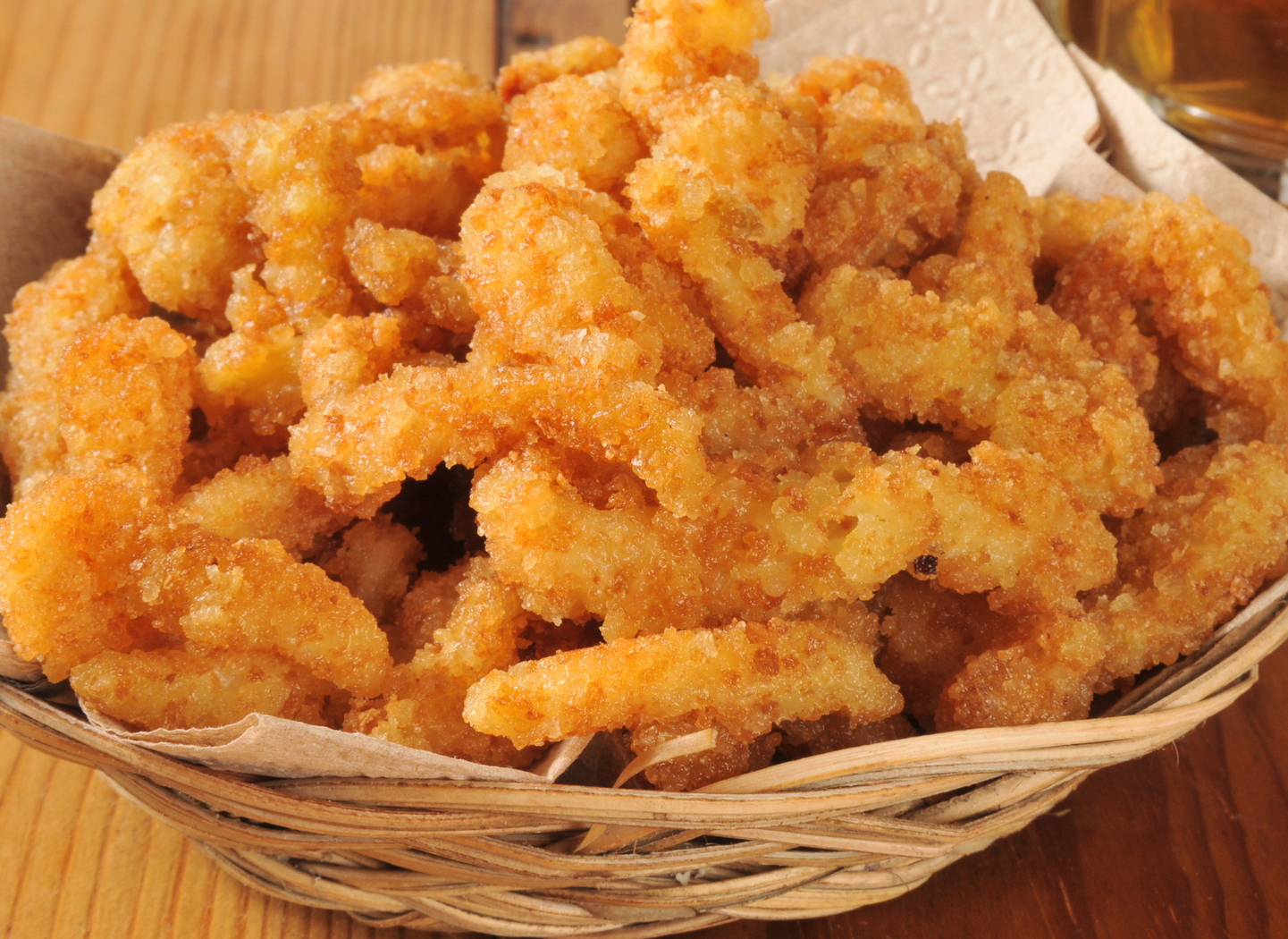
Clams were abundant along the U.S. east coast in the 1800s, and many of the old cookbooks included recipes for cooking them. Clams were only eaten by people who lived near where they were harvested, though. Electricity wasn’t available yet, so they couldn’t be kept long without refrigeration.  INFORMATION BELOW FROM 1800s COOKBOOKS BOILED CLAMSWash clean with a scrubbing-brush and put them in a kettle. Set on a good fire and leave till they are wide open. Then take them…

Read More Read More

A Variety of Ways to Cook Apples

A Variety of Ways to Cook Apples

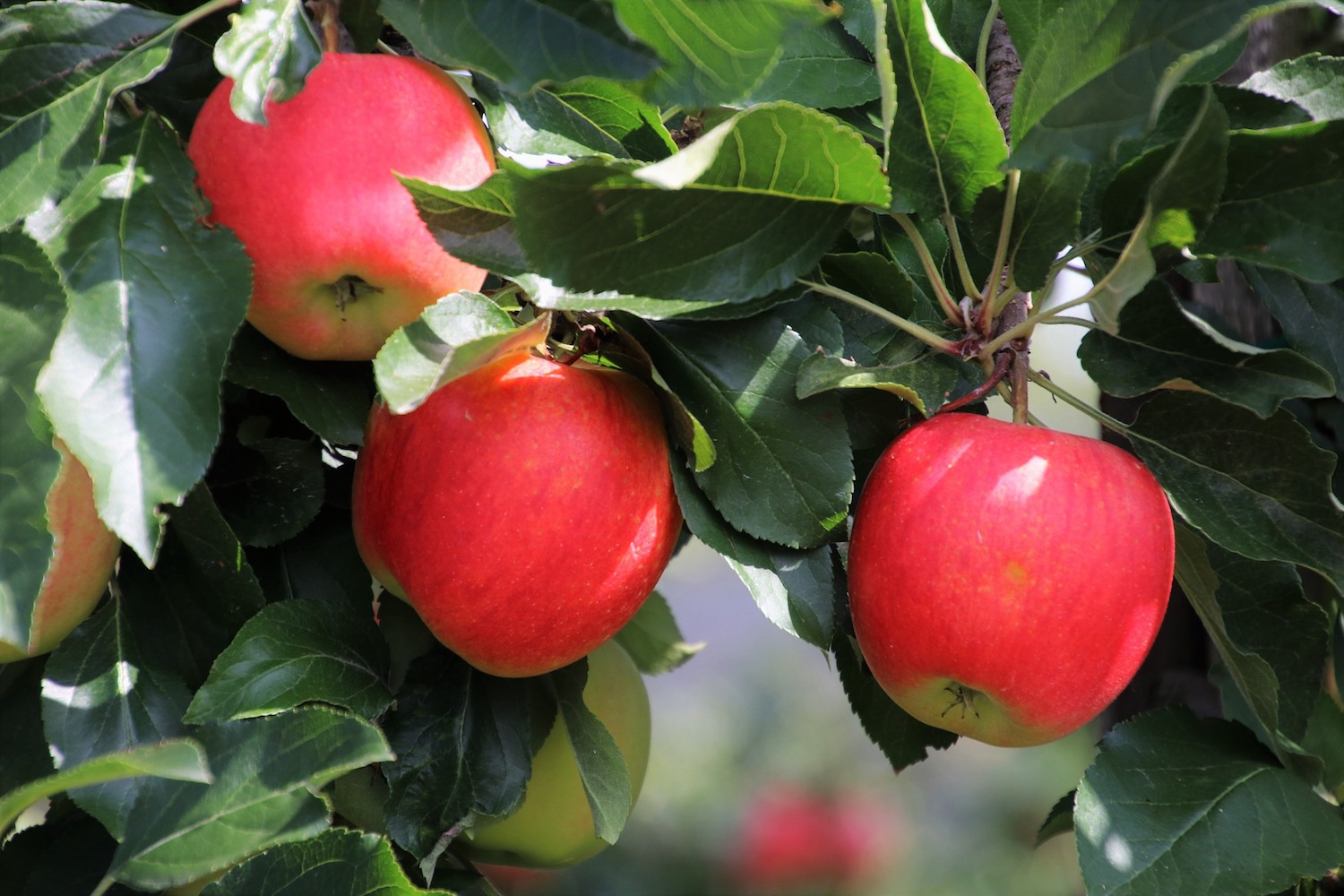
Apples were introduced to North America by colonists in the 17th century, (the 1600s). The only apples native to North America are crab apples which were once called “common apples.” Apple trees are large if they are grown from seed, but most apple trees are grafted onto rootstocks, which control the size of the resulting tree. Source INFORMATION BELOW FROM 1800s COOKBOOKS NOTE: There were no oven thermometers in the 1800s. Cooks learned how to heat their ovens and how…

Read More Read More

Home Canning: Fruits, Juices, Mincemeat, Cider

Home Canning: Fruits, Juices, Mincemeat, Cider

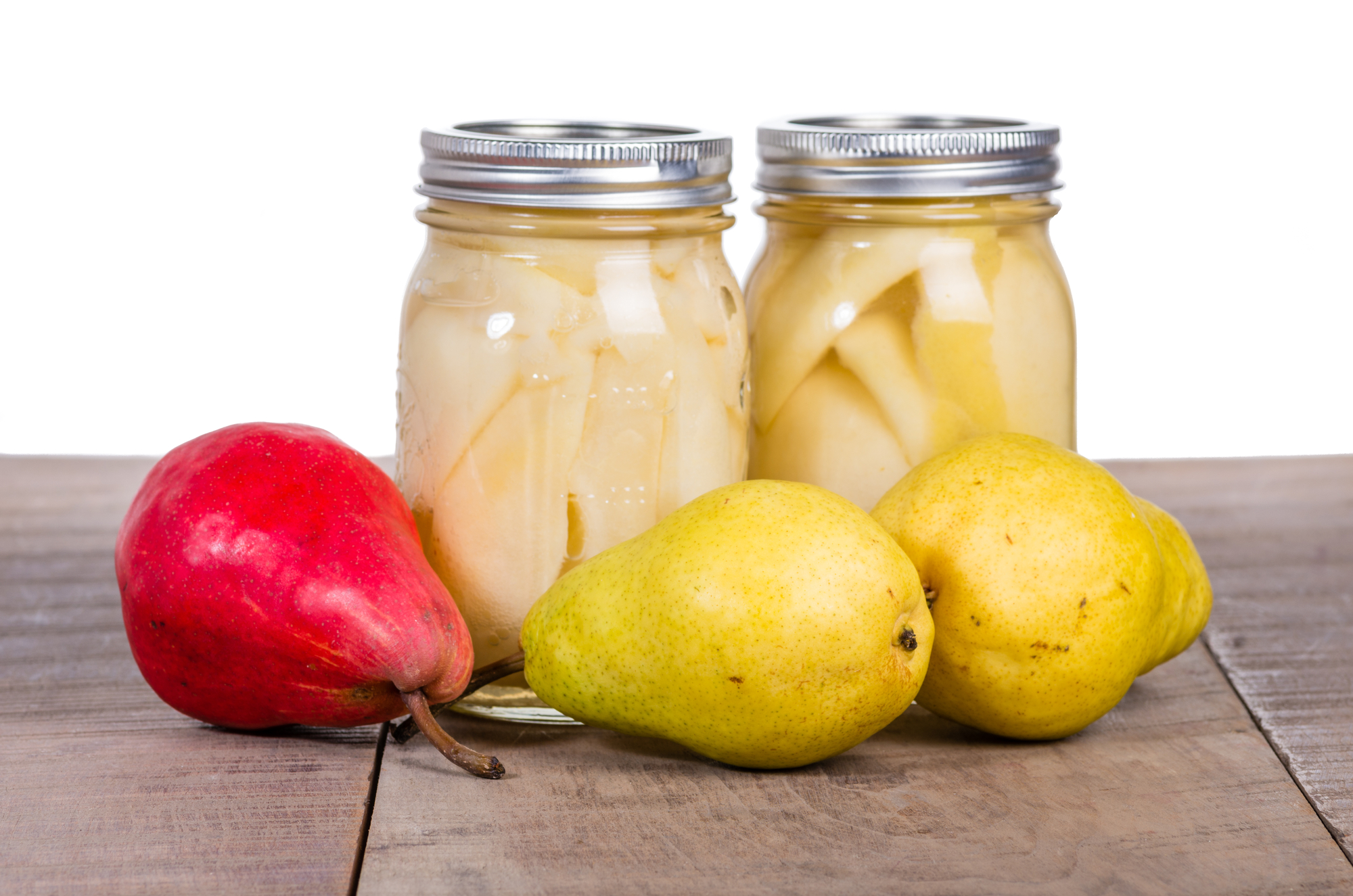
Commercial canning (in tin cans) was fairly common in the U.S. by the mid-1800s. In 1858, John L. Mason invented a glass jar that had a screw thread around the outside rim. This allowed a reusable metal lid to be screwed on, rather than having to use sealing wax. It became much easier for people to preserve their own pickles, relishes, sauces, and fruit. Later, people also began to can vegetables and meats. INFORMATION BELOW FROM 1800s COOKBOOKS TO STERILIZE…

Read More Read More

Interesting Ways to Cook Chicken

Interesting Ways to Cook Chicken

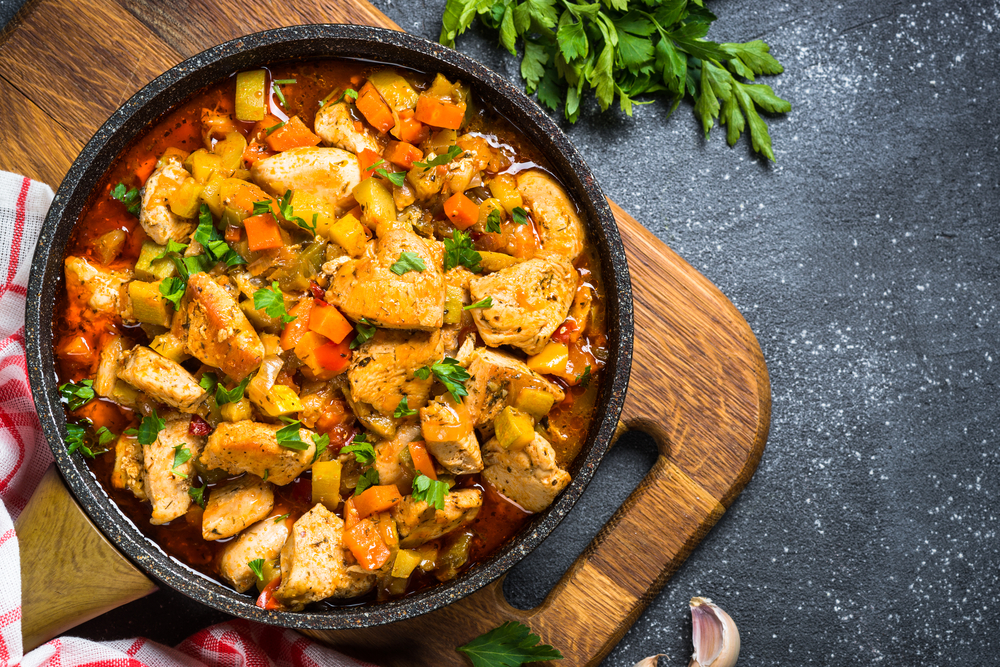
In the 1800s, people raised chickens for food or purchased them whole from the butcher. It took a lot longer to prepare chicken in those days, especially having to cook on wood burning stoves and without oven thermometers. But people still wanted variety in their meals, and looked to cookbooks for recipes. RECIPES  BELOW FROM 1800s COOKBOOKS SPANISH CHICKEN STEW Clean and joint two spring chickens. Brown in butter and add five sliced onions, a can of tomatoes, four cloves…

Read More Read More

How to Properly Boil Eggs

How to Properly Boil Eggs

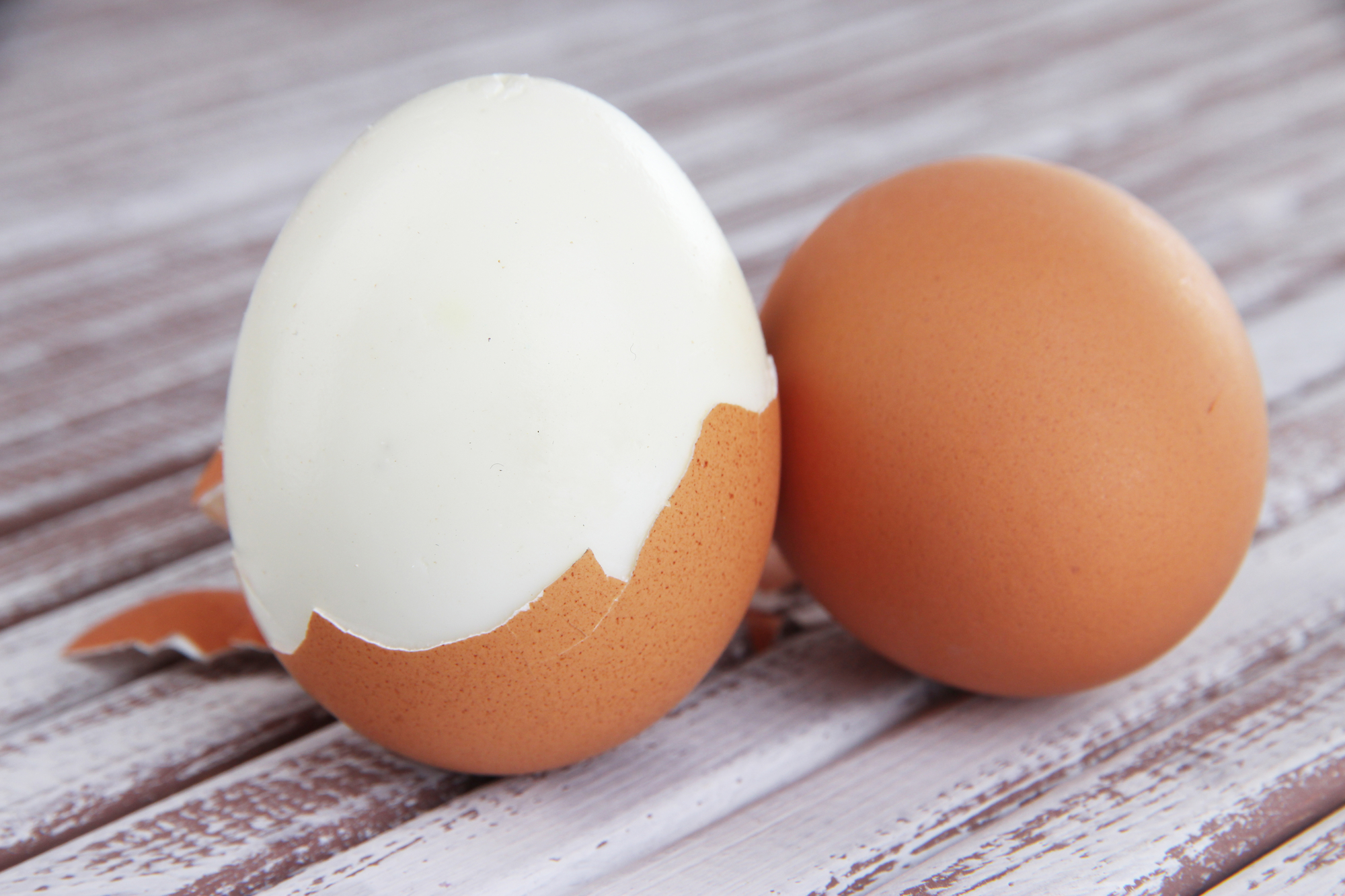
Eggs for boiling cannot be too fresh, or boiled too soon after they are laid. The fresher the eggs are the better, and the more healthful. A longer time should be allowed for boiling a new-laid egg than for one that is three or four days old. Eggs over a week old should never be boiled; but they will do to fry. Wipe eggs clean all over with a wet cloth. It is true that the shells are never eaten,…

Read More Read More