Blog

How to Make Soup Stock

How to Make Soup Stock

So many recipes from 1800s cookbooks call for soup stock and all good cooks kept a supply on hand. INFORMATION BELOW FROM 1800s COOKBOOKS MEANING AND USE OF STOCK Soup stock may be regarded as a liquid containing the juices and soluble parts of meat, bone, and vegetables, which have been extracted by long, slow cooking and which can be utilized in the making of soups, sauces, and gravies. Keep stock in small jars in a cool place. It makes…

Read More Read More

Cooking Pigs’ Feet

Cooking Pigs’ Feet

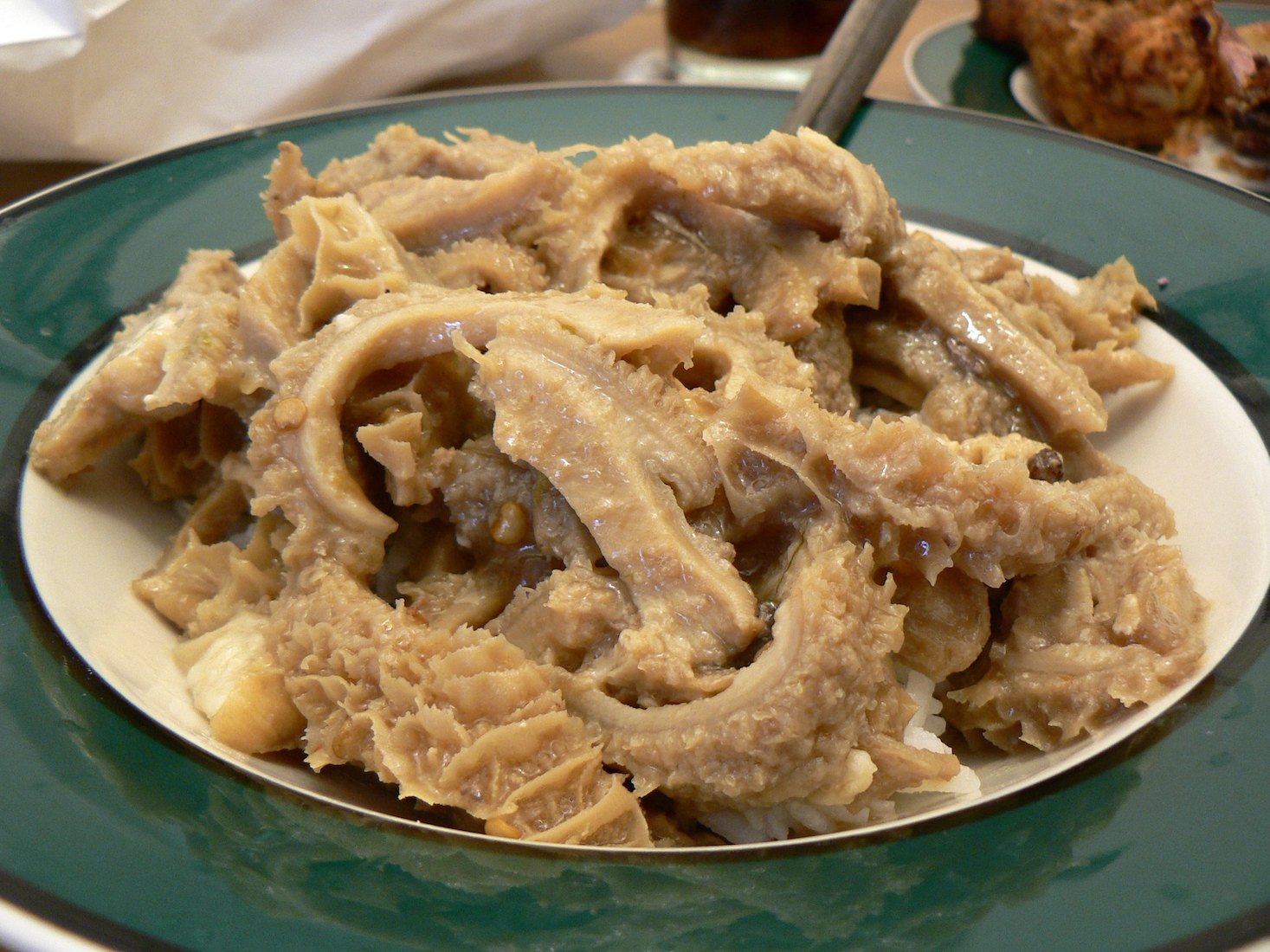
When people butchered a pig in the 1800s, no part of the animal went to waste. I’ve never seen fresh pigs’ feet in the grocery store, but I have seen pickled pigs’ feet in glass jars.  INFORMATION BELOW FROM 1800s COOKBOOKS FRIED PIGS’ FEET Thoroughly burn all the hairs off with a poker heated to a white heat. Then scald the feet and wipe them dry. Put them over the fire to boil in cold water, with two ounces each…

Read More Read More

Ways to Preserve Meat Without Refrigeration

Ways to Preserve Meat Without Refrigeration

Without electric refrigeration, people had to find various ways to keep meat fresh, especially in summer. Some methods could keep it fresh a few days or perhaps a week, and other methods could preserve it for much longer.  INFORMATION BELOW FROM 1800s COOKBOOKS TO KEEP MEAT FRESH Where persons live a distance from market and have no fresh meat but what they kill, it is important to know how to keep it fresh. Hang up joints of meat if not…

Read More Read More

How to Make Cordials (Liqueurs)

How to Make Cordials (Liqueurs)

A cordial (liqueur) is a sweetened alcoholic beverage made from a distilled spirit, and sweetened with various fruits and spices. Most cordials aren’t aged long. In the 1800s, some cordials were also used as family medicine. INFORMATION BELOW FROM 1800s COOKBOOKS MINT CORDIAL Pick the mint early in the morning while the dew is on it. Do not bruise it. Pour some water over it and then drain it off. Put two handfuls of mint in a pitcher with a…

Read More Read More

Gelatin Dessert Recipes

Gelatin Dessert Recipes

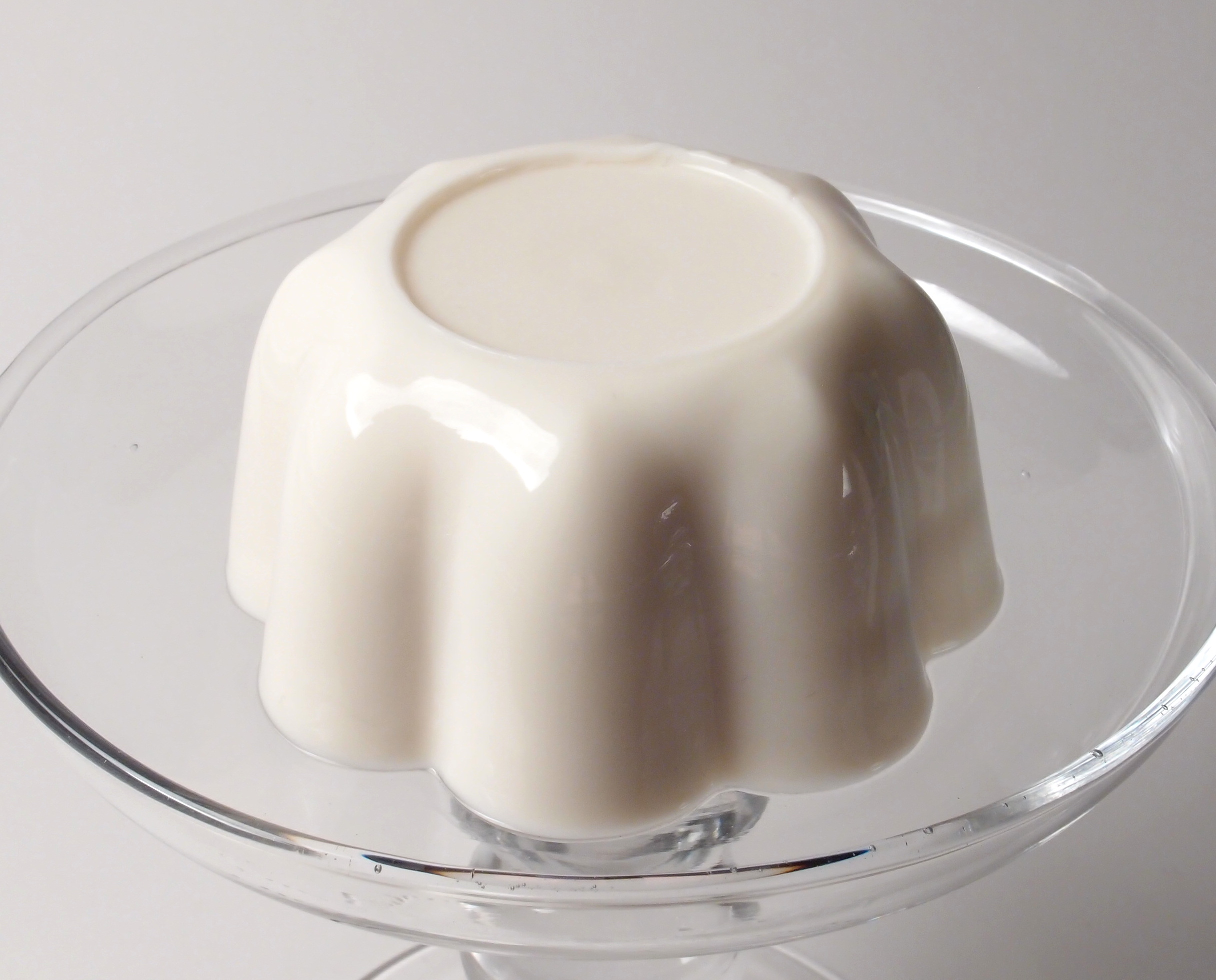
In 1894, Charles Knox saw how much work his wife had to do to make gelatin, and decided to find an easier way. The gelatin he created was made into dried sheets and Knox hired salesmen to show women how to use them. In 1896, his wife, Rose, published Dainty Desserts, a recipe book using Knox gelatin. Then in 1897, Pearle Bixby Wait trademarked a gelatin dessert, called Jell-O. He and his wife added fruit flavoring to granulated gelatin and…

Read More Read More

Pumpkin Loaf, Indian Cakes, Marmalade, Pie, and Tart

Pumpkin Loaf, Indian Cakes, Marmalade, Pie, and Tart

Pumpkins were a popular crop in the 1800s. They were easy to grow and if stored properly in a warm, dry place, could be kept all winter. Recipes from old cookbooks used fresh pumpkins, but if one called for stewed pumpkin, it’s like the plain canned pumpkin we buy today. Recipes often did not include baking times or how hot to make your oven.  You were supposed to know or learn through experience.  INFORMATION BELOW FROM 1800s COOKBOOKS Deep colored…

Read More Read More

Winter Squash Recipes

Winter Squash Recipes

I never ate any kind of squash when I was a child, but I’ve eaten summer squashes like green zucchini and yellow squash as an adult. It’s only been in the last couple of years that I’ve tried any of the winter squashes: Butternut Squash, Spaghetti Squash, and Delicata Squash. When people in the 1800s cooked foods in their wood burning stoves, there were no thermometers. So recipes referred to the oven temperature as a slow, moderate, or hot oven. The cook…

Read More Read More

Cooking Summer Squash

Cooking Summer Squash

Summer squashes are picked before they’re mature. The rind is thin and edible, and you can also eat the seeds. But summer squashes can’t be stored like winter squashes. Some summer squashes in the U.S. are: Pattypan squash Crookneck squash Straightneck squash Zucchini (courgette) INFORMATION BELOW FROM 1800s COOKBOOKS: Summer Squash is a fruit vegetable belonging to the same class as eggplant, peppers, etc. and occurring in many varieties. The different kinds of this vegetable vary greatly in size, shape, and…

Read More Read More