Browsed by
Category: Fruits

How to Use Quinces, an Old-Fashioned Fruit

How to Use Quinces, an Old-Fashioned Fruit

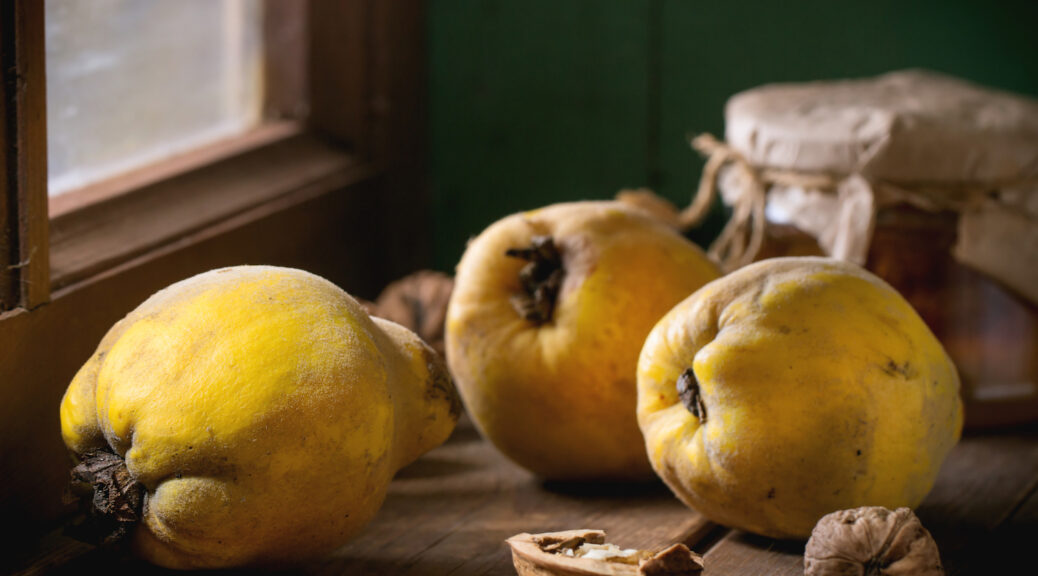
Quinces resemble a pear, and are yellow when ripe, but the exterior is bumpy. They have a sour, astringent taste unless completely ripened, so they’re usually cooked. This fruit bruises quickly and very rapidly turns to a dark brown.  The quince tree was brought to the American colonies by English settlers. During the 18th century, there was usually a quince at the lower corner of the vegetable garden [reference]. Today, there aren’t many commercial quince tree orchards in the U.S….
Read More Read More

Old-Fashioned Gooseberry Recipes

Old-Fashioned Gooseberry Recipes

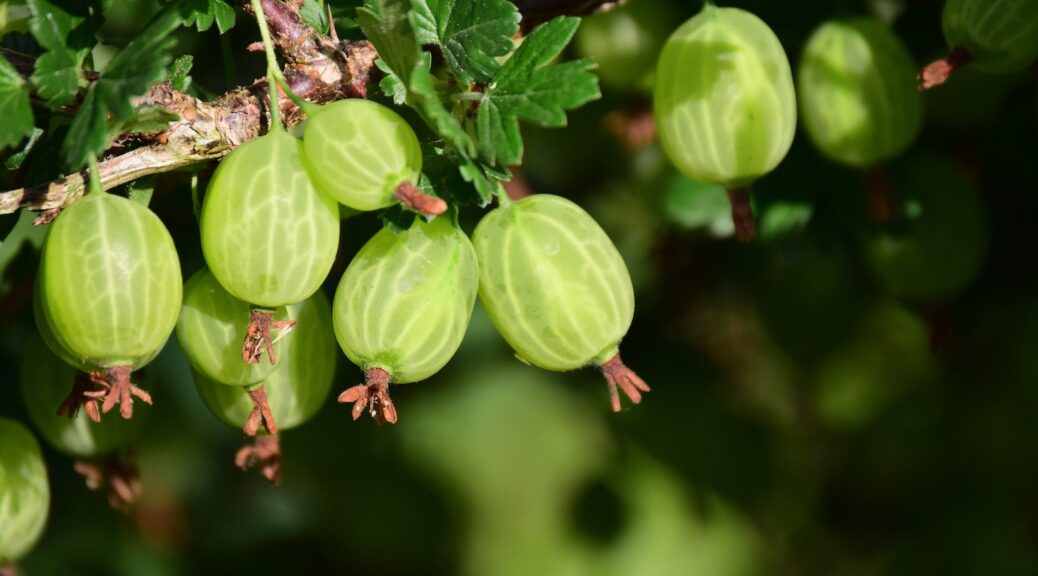
When I was in grade school in the 1960s, we visited our grandparents every summer and they grew gooseberries. We picked and ate green gooseberries right off the bushes. They were certainly sour, but that was the attraction.  We had contests to see how many we could eat before having to spit them out. We never did get to see them as red berries. They must have ripened in late summer or early fall after we went back home.  I…

Read More Read More

A Variety of Prune (Dried Plum) Recipes

A Variety of Prune (Dried Plum) Recipes

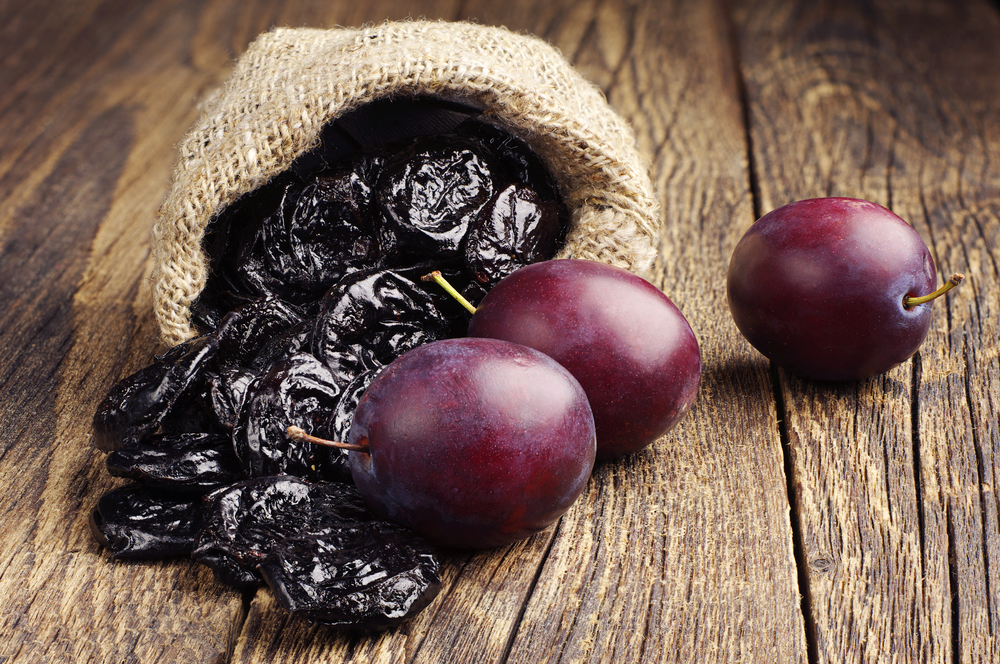
FROM AN 1800s COOKBOOK: “The unpopularity of prunes is unfortunate. This may be because prunes were formerly one of the cheapest fruits or because they are cooked and served in the same way too often.

Desirable results can often be secured by combining prunes and other dried fruits with tart fruits such as apricots, apples, and rhubarb.”

Baked and Fried Bananas, Fritters, Stuffing, and more..

Baked and Fried Bananas, Fritters, Stuffing, and more..

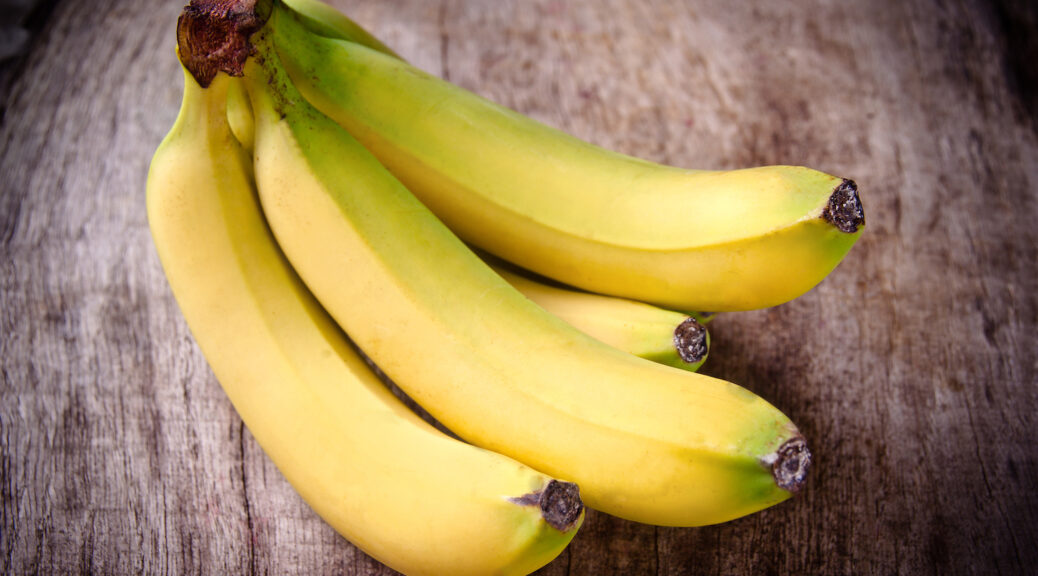
Bananas weren’t known in the United States until Captain Lorenzo Baker introduced them in 1870. They were expensive and only available to those living near port cities on the east coast. It took many years for them to become available and affordable to the average household. RECIPES BELOW ARE FROM MRS. WILSON’S COOK BOOK, 1920 BAKED BANANASThe simplest way to bake bananas is in the skins. It takes just twenty minutes in a moderate oven.* To eat, strip a piece of skin…

Read More Read More

Raspberry Drinks and Recipes

Raspberry Drinks and Recipes

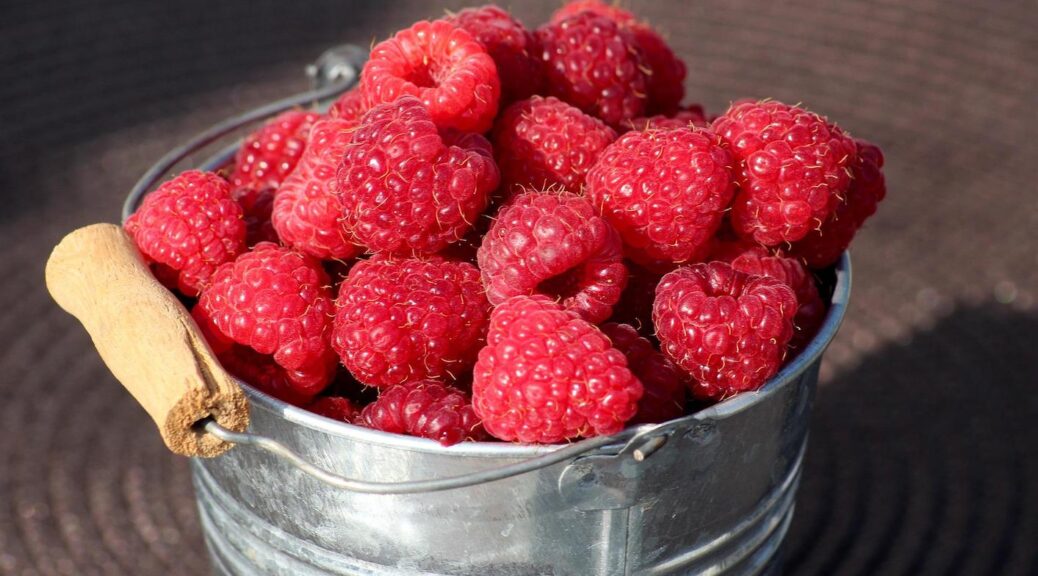
Raspberries are a seasonal fruit and quite fragile. They won’t ripen after picking, so they can’t be stored fresh for very long. Back in the 1800s, with no electricity, berries had to be eaten quickly, bottled as drinks, or preserved as jelly. INFORMATION BELOW FROM 1800s COOKBOOKS RASPBERRY ACID Dissolve five ounces of tartaric acid* in two quarts of water. Pour it on twelve pounds of red raspberries in a large bowl. Let it stand twenty-four hours and strain it…

Read More Read More

Making Soups from Fruit

Making Soups from Fruit

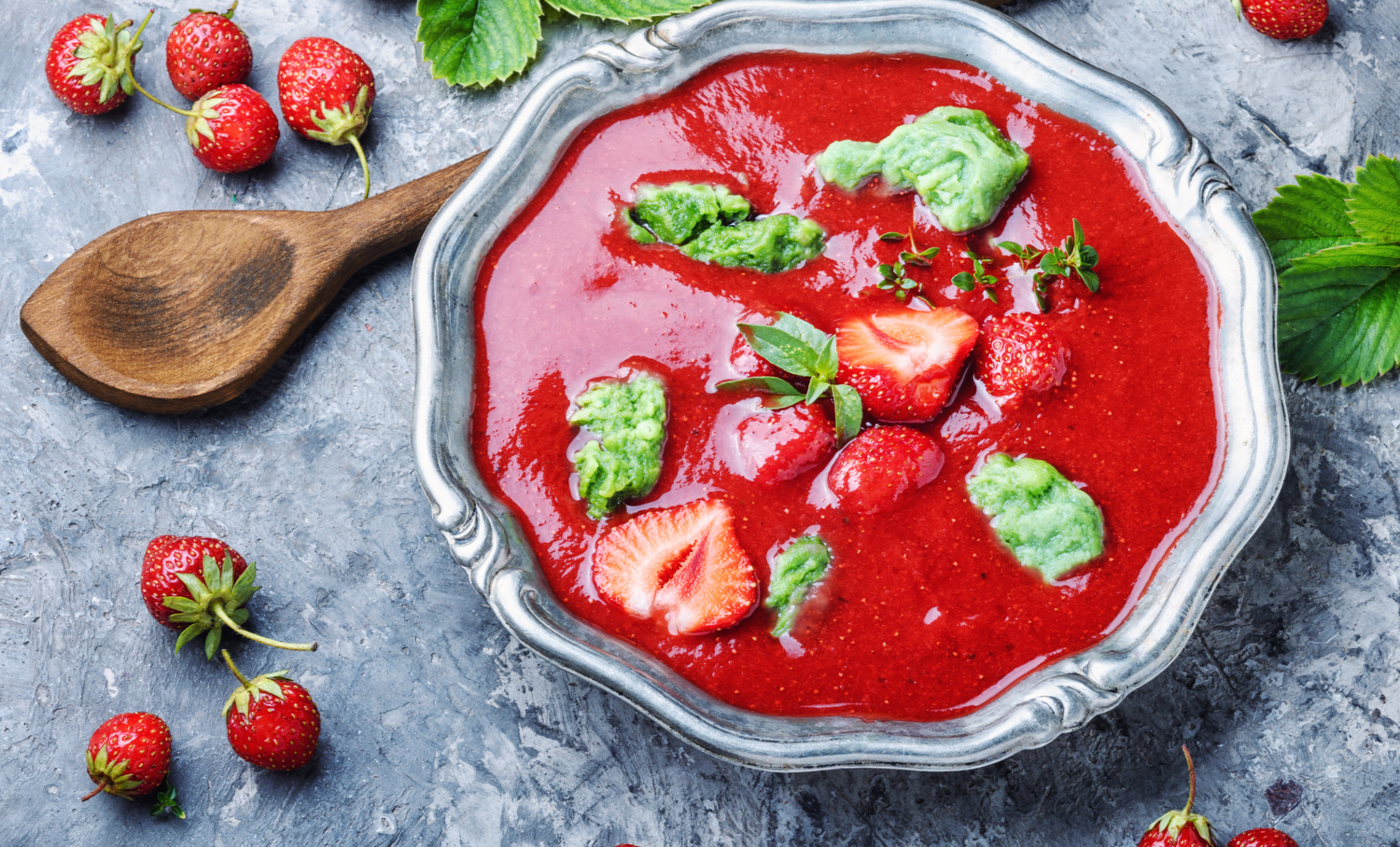
I never tasted a soup made from fruit until a couple of years ago.  I was at a local restaurant in southern Illinois, and they had cantaloupe soup on the menu.   Since I like to try new things, I ordered it and was surprised at how good it was. Many of the recipes below are from Mrs Mary Wilson’s Cookbook published 1920. Even though this blog is based on 1800s cookbook recipes, I thought you might like to try…

Read More Read More

Lemon Recipes – Pickle, Puffs, Cream, Custards, and more

Lemon Recipes – Pickle, Puffs, Cream, Custards, and more

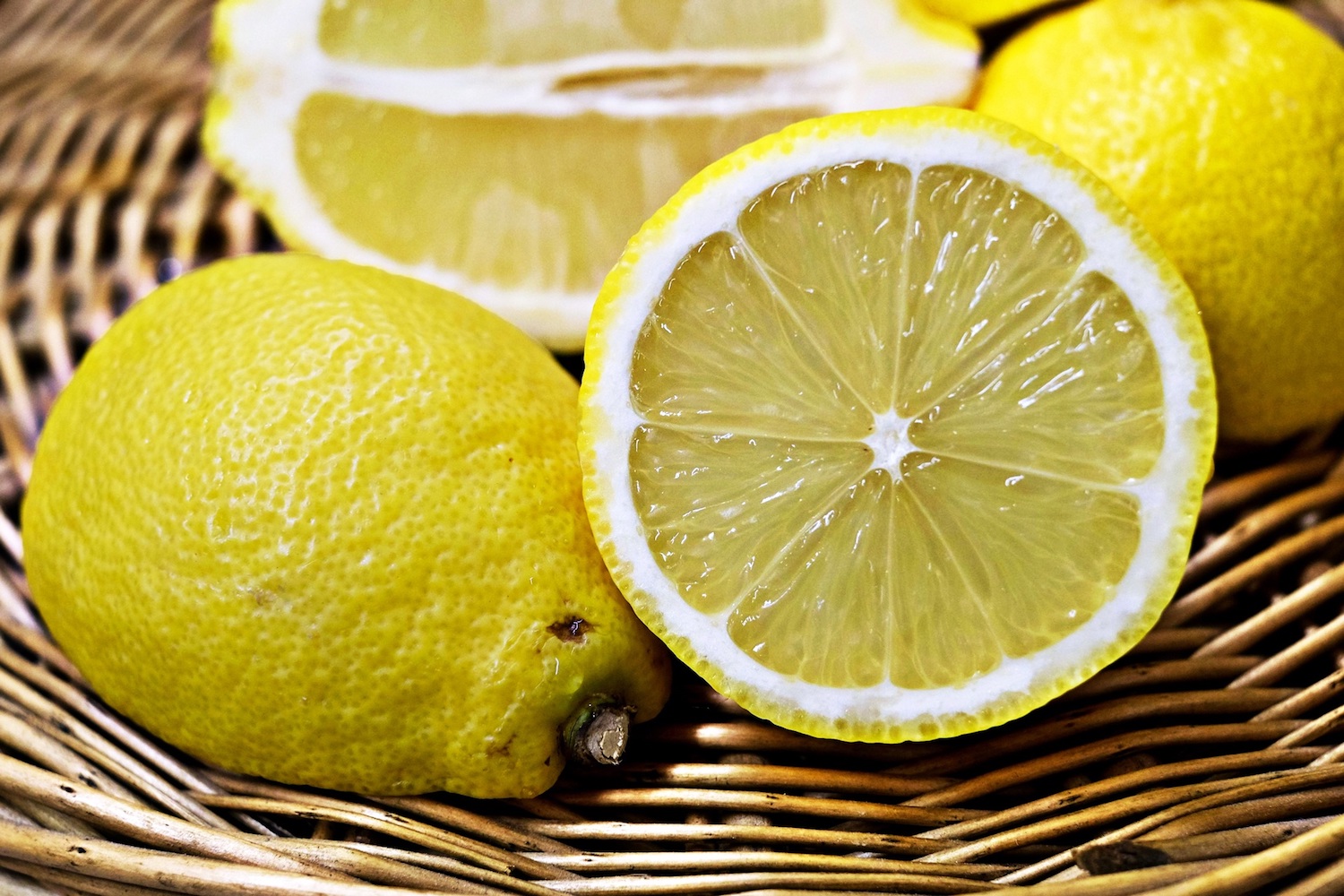
In the 19th century (1800s), lemons were being planted commercially in Florida and California. Lemons have to be picked by hand and can’t be picked when wet. They are picked when the peel is green, but as they’re cured, the peel turns yellow, becomes thinner, and the pulp gets juicier. INFORMATION BELOW FROM 1800s COOKBOOKS GRATING LEMONS The object of using grated rind of lemon is to obtain the fragrance and flavor, which differ very greatly from any extracts, however…

Read More Read More

A Variety of Ways to Cook Apples

A Variety of Ways to Cook Apples

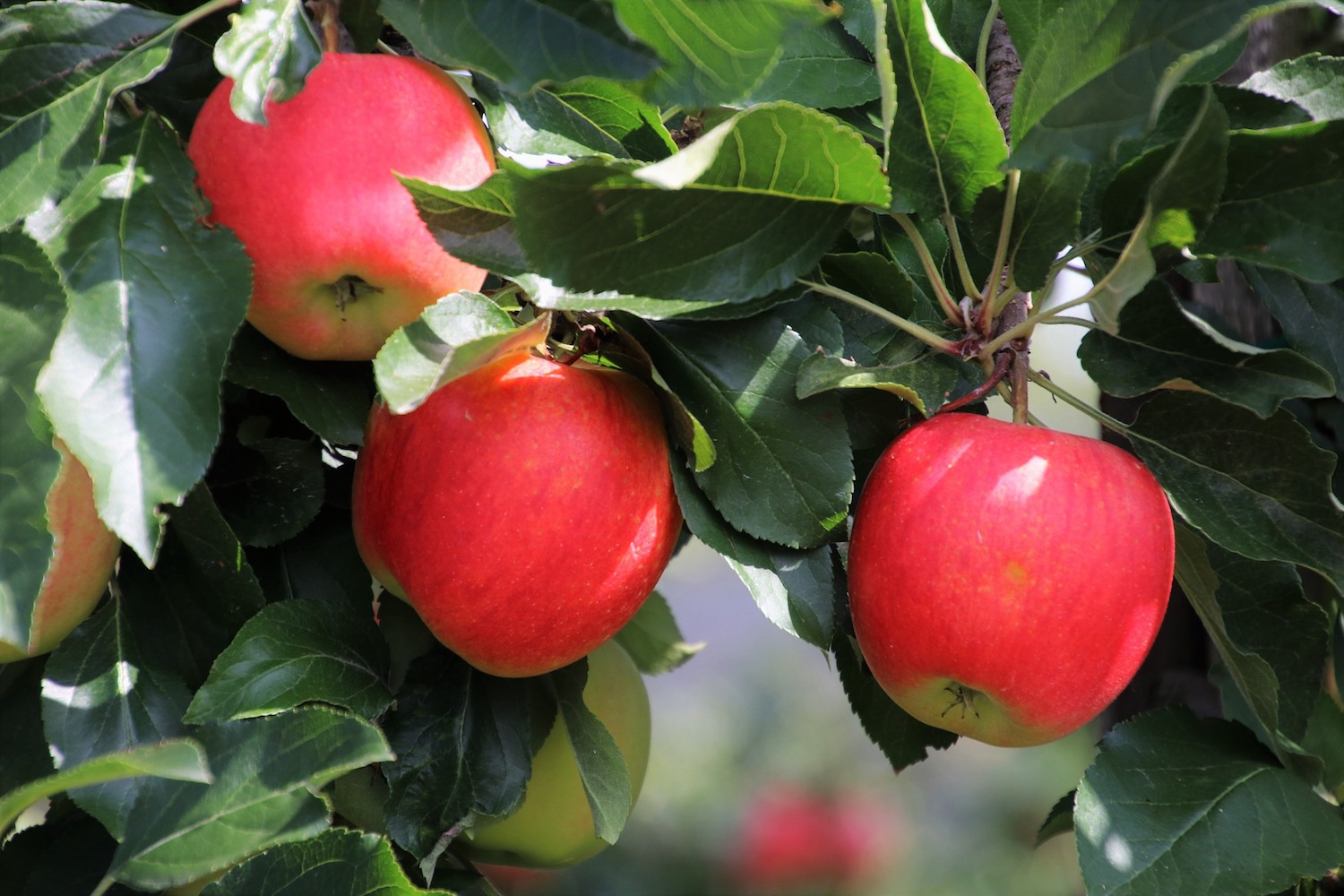
Apples were introduced to North America by colonists in the 17th century, (the 1600s). The only apples native to North America are crab apples which were once called “common apples.” Apple trees are large if they are grown from seed, but most apple trees are grafted onto rootstocks, which control the size of the resulting tree. Source INFORMATION BELOW FROM 1800s COOKBOOKS NOTE: There were no oven thermometers in the 1800s. Cooks learned how to heat their ovens and how…

Read More Read More