Browsed by
Category: Beverages

How to Roast and Boil Coffee

How to Roast and Boil Coffee

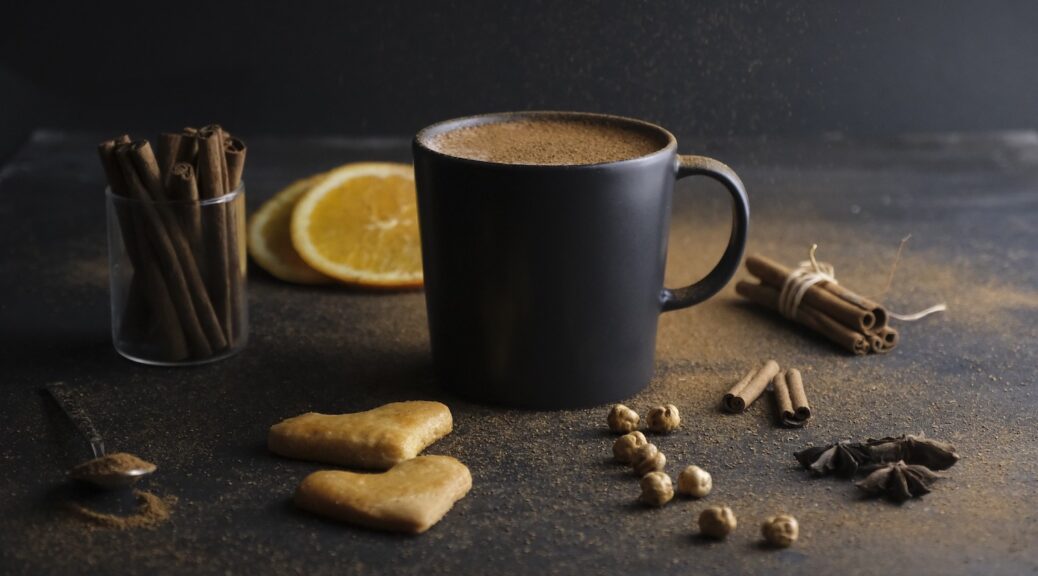
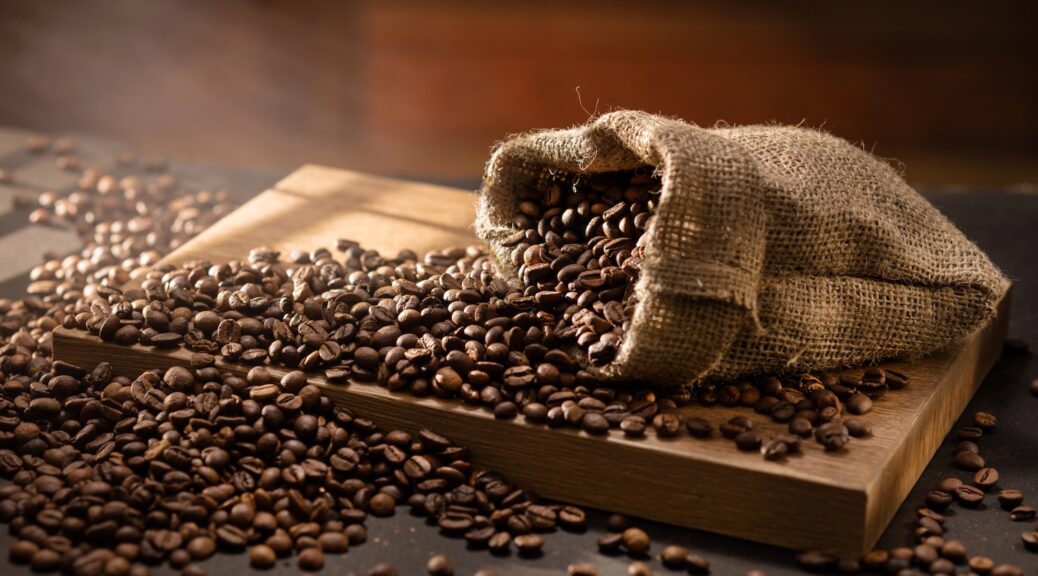
For most of the 1800s, Americans bought green coffee beans in bulk and roasted and ground them at home. Pre-roasted and especially pre-ground coffee only became common toward the later part of the century. Many people simply boiled ground coffee in a metal kettle or pot over the hearth or stove, then let the grounds settle before pouring. Later in the century, early percolators and siphon brewers, made in various metals, ceramics, and sometimes glass were invented. INFORMATION BELOW FROM…
Read More Read More

Syllabub for Festive Occasions

Syllabub for Festive Occasions

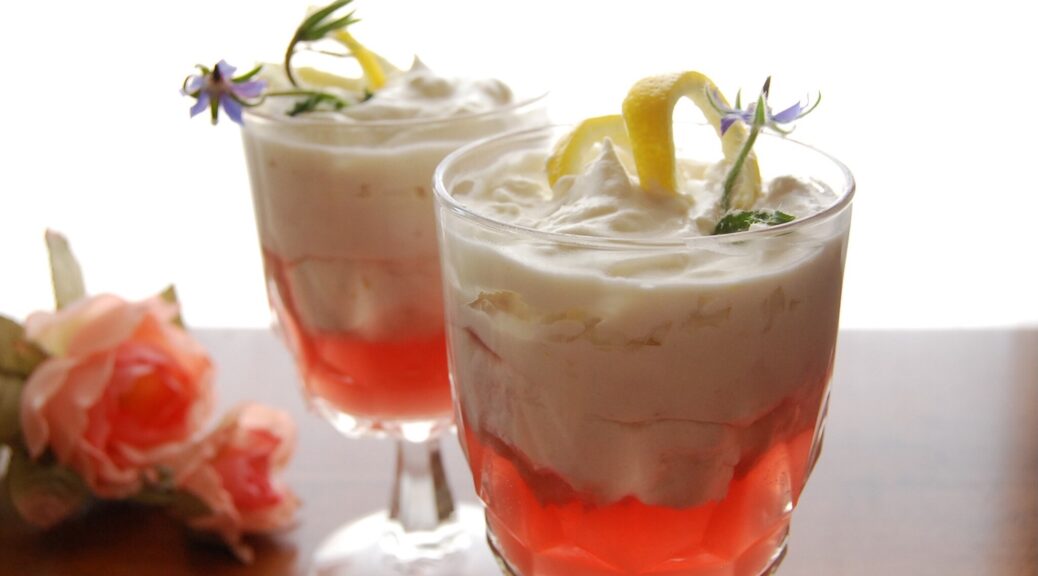
Syllabub is a creamy, sweet dessert, originally from England. It’s made with cream, sugar, citrus juice, usually wine, or some other liquor. Syllabub was popular in the United States during the 18th and early 19th centuries, especially at festive occasions and social gatherings. It sounds deliciious and would be fun to try and make. RECIPES BELOW FROM 1800s COOKBOOKS SYLLABUBTake one quart of rich milk or cream, one cup wine, and one-half cup sugar. Put the sugar and wine into a…

Read More Read More

How to Mix All Kinds of Drinks (1895)

How to Mix All Kinds of Drinks (1895)

The drink recipes on this post come from the book “MODERN AMERICAN DRINKS, How to Mix and Serve All Kinds of Cups and Drinks” by George J. Kappeler, copyright 1895, which can be found on Project Gutenberg. Many of the drinks contain alcohol, but not all. It’s interesting to read the names of some of the drinks; I have read of some of them in historical novels. BOOK’S PREFACEThe recipes contained in this book are for the proper mixing of…

Read More Read More

Coffee Substitutes and Adulterations

Coffee Substitutes and Adulterations

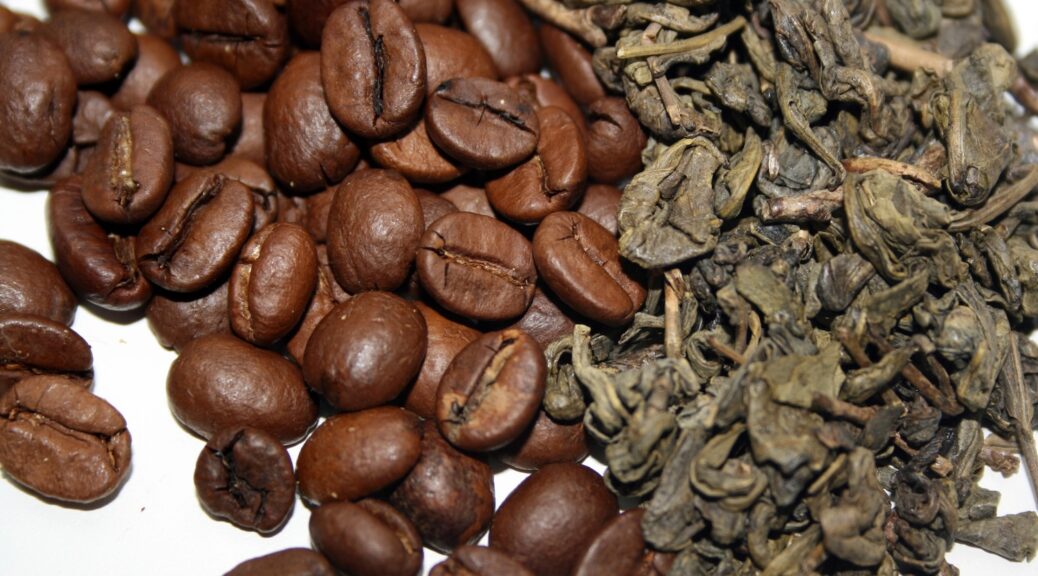
Before U.S. Food Inspections became law, it was “buyer beware.” It was important to find a grocer or food supplier you trusted. But it was also necessary to know how to tell if your food was adulterated. Some foods had extra ingredients or fillers that were harmless, but not always; some were dangerous to ingest. INFORMATION BELOW COMPILED FROM 1800s COOKBOOKS COFFEE SUBSTITUTES AND ADULTERATIONSGround coffee is extensively adulterated, and mainly with the much cheaper. Rye, beans, peas, acorns, carrots,…

Read More Read More

The Best Tea and Coffee at the Grocer’s

The Best Tea and Coffee at the Grocer’s

It wasn’t until the late 1800s that there were true grocery stores with more than just the basic staples. Then there were many more teas and coffees to choose from. But the buyer had to learn how to tell quality goods from inferior, as well as identify if a product had been adulterated. There were no government food inspectors in those days. THE INFORMATION BELOW CAME FROM A BOOK CALLED: GROCER’S GOODS: A Family Guide to the Purchase of Flour,…

Read More Read More

Medicinal, Herbaceous, and Other Drinks for Invalids, etc. 

Medicinal, Herbaceous, and Other Drinks for Invalids, etc. 

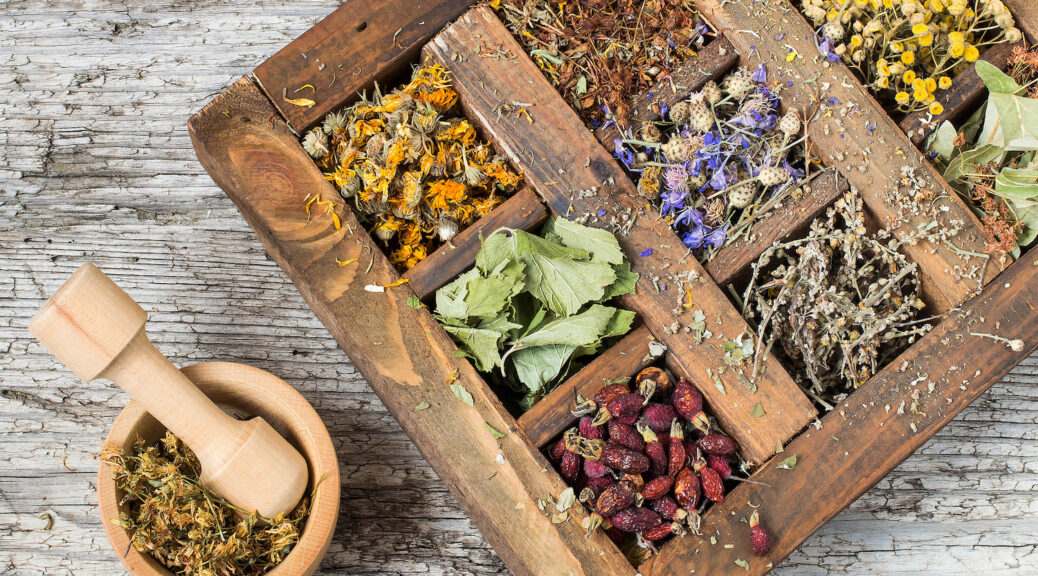
Cookbooks published in the 1800s often contained household hints and medical advice. Of course, this advice is from over 200 years ago! I discovered a comprehensive online document called “Glossary of Medical Terms Used in the 18th and 19th Centuries“ to help me identify some of the diseases mentioned below. In the 1960s, our mother used to dose us with Father John’s Cough Syrup when we were young. It was made of cod liver oil. I remember it being thick…

Read More Read More

Fresh Homemade Egg Nog Recipes

Fresh Homemade Egg Nog Recipes

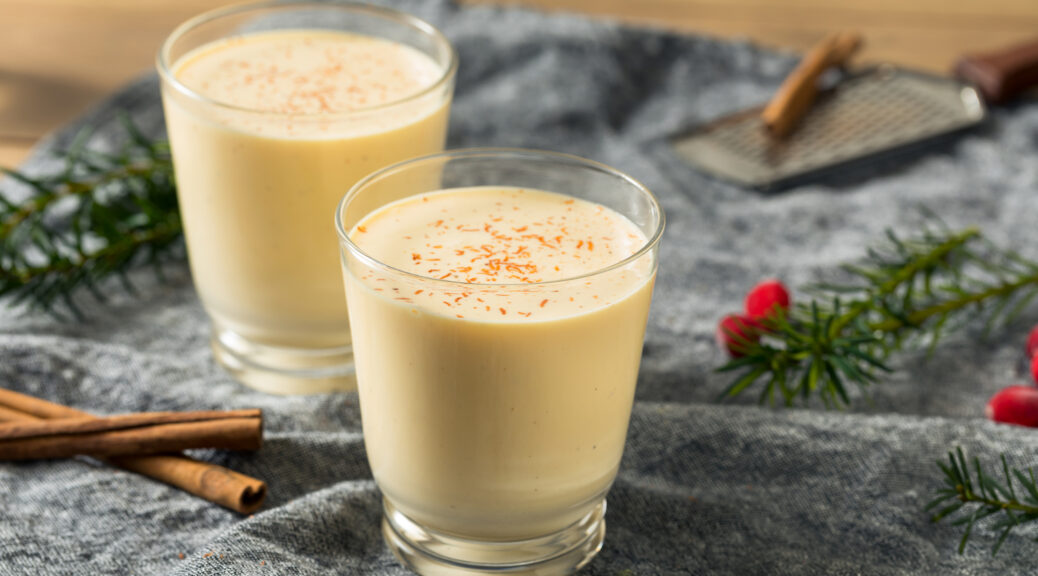
Eggnog (also known as milk or egg milk punch) was originally made of milk or cream, sugar, raw eggs, some type of alcohol, and various spices. Today you can buy many types of commercially prepared eggnogs including those that use almond, rice, or coconut milk. NOTE: Many of the recipes spelled Egg Nogg with two ‘gs’ at the end. I rather like it as it matches the two ‘gs’ in the word “egg.” INFORMATION BELOW COMPILED FROM 1800s COOKBOOKS: EGG-NOGG Beat…

Read More Read More

Nourishing Drinks for Invalids and Convalescents

Nourishing Drinks for Invalids and Convalescents

In the 1800s, people often lived far from a doctor or couldn’t afford to pay one. So they treated illnesses by following advice from neighbors and family members, or by reading cookbooks or medical books. If a patient didn’t feel like eating, it was important to offer a variety of nourishing drinks. INFORMATION BELOW COMPILED FROM 1800s COOKBOOKS: The preparation of food and drink for the sick and convalescent person is even more important than the preparation for the strong…

Read More Read More