Browsed by
Author: Angela Johnson

I’ve been interested in cooking since I was a teenager. Growing up in a small town in Illinois, I ate many home-cooked meals and tried out recipes (mostly cookies). Wherever I live or travel, I check out grocery stores for unusual foods, eat at local restaurants, and buy regional cookbooks. I’m also fascinated with learning how people in the past lived, and how they obtained food and prepared it.
Seasonal Vegetables in the 1800s

Seasonal Vegetables in the 1800s

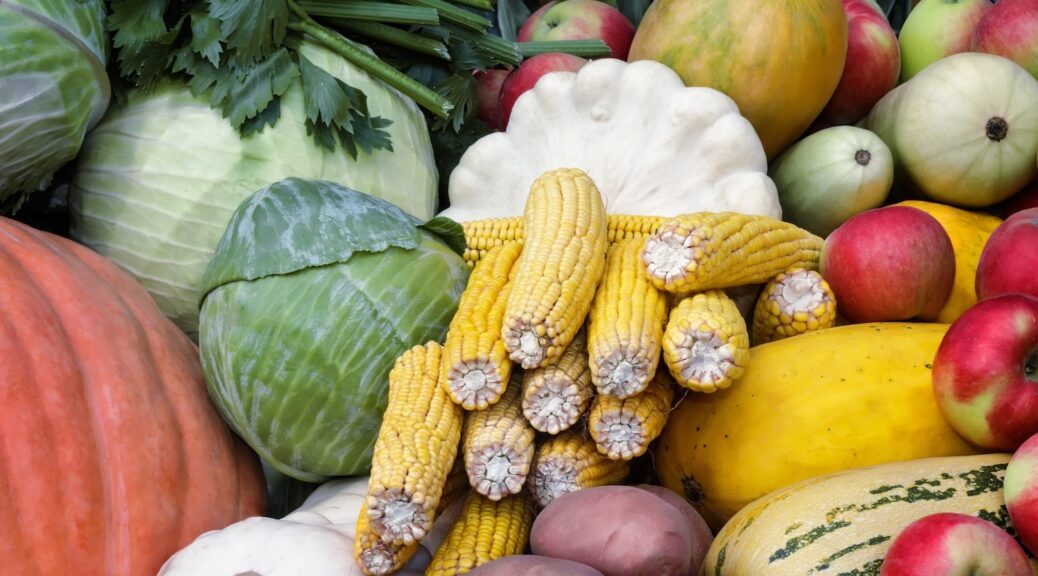
For most of the 1800s, people in the United States lived in rural areas. But by 1890, 28% of the population was living in urban areas. Since people who lived in towns and cities weren’t able to grow many vegetables, they had to plan their meals based on what was in season. It wasn’t until 1850 that commercially canned vegetables became available. Peas were the first vegetable canned, with beets, corn, tomatoes, and cucumbers (for pickles) available later. INFORMATION BELOW…
Read More Read More

Types of Meals and Flours Used for Baking

Types of Meals and Flours Used for Baking

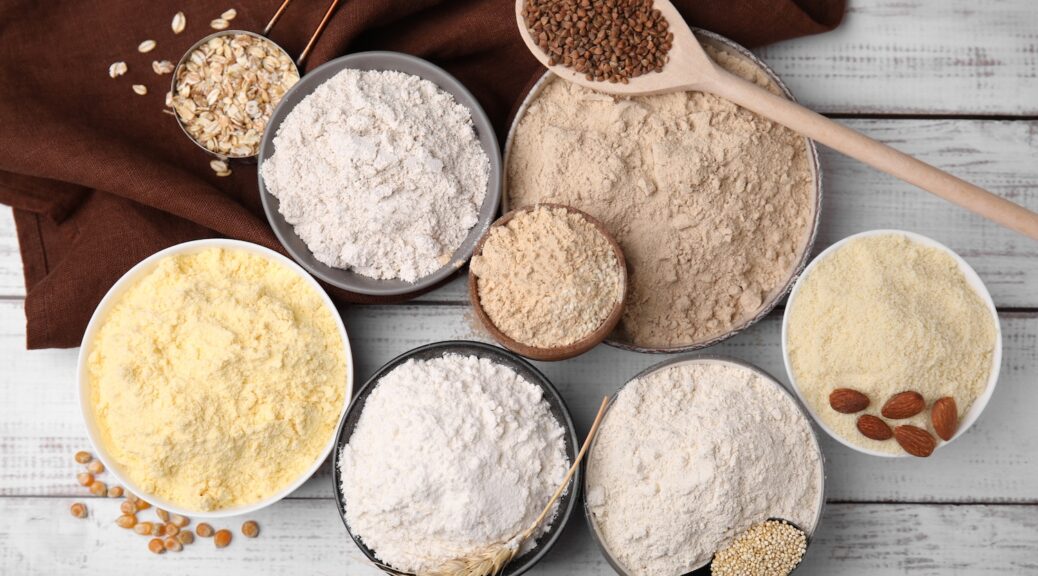
Bread was served at practically every meal. Although people could buy bread at grocers or bakeries, it was expensive. So especially for households with large families, knowing how to make good bread was a necessity. INFORMATION BELOW COMPILED FROM 1800s COOKBOOKS: DIRECTIONS RESPECTING BREADThere is no one thing upon which health and comfort in a family so much depend as bread. With good bread the coarsest fare is tolerable; without it, the most luxurious table is not comfortable. There is…

Read More Read More

Hearty Family Breakfasts For Winter

Hearty Family Breakfasts For Winter

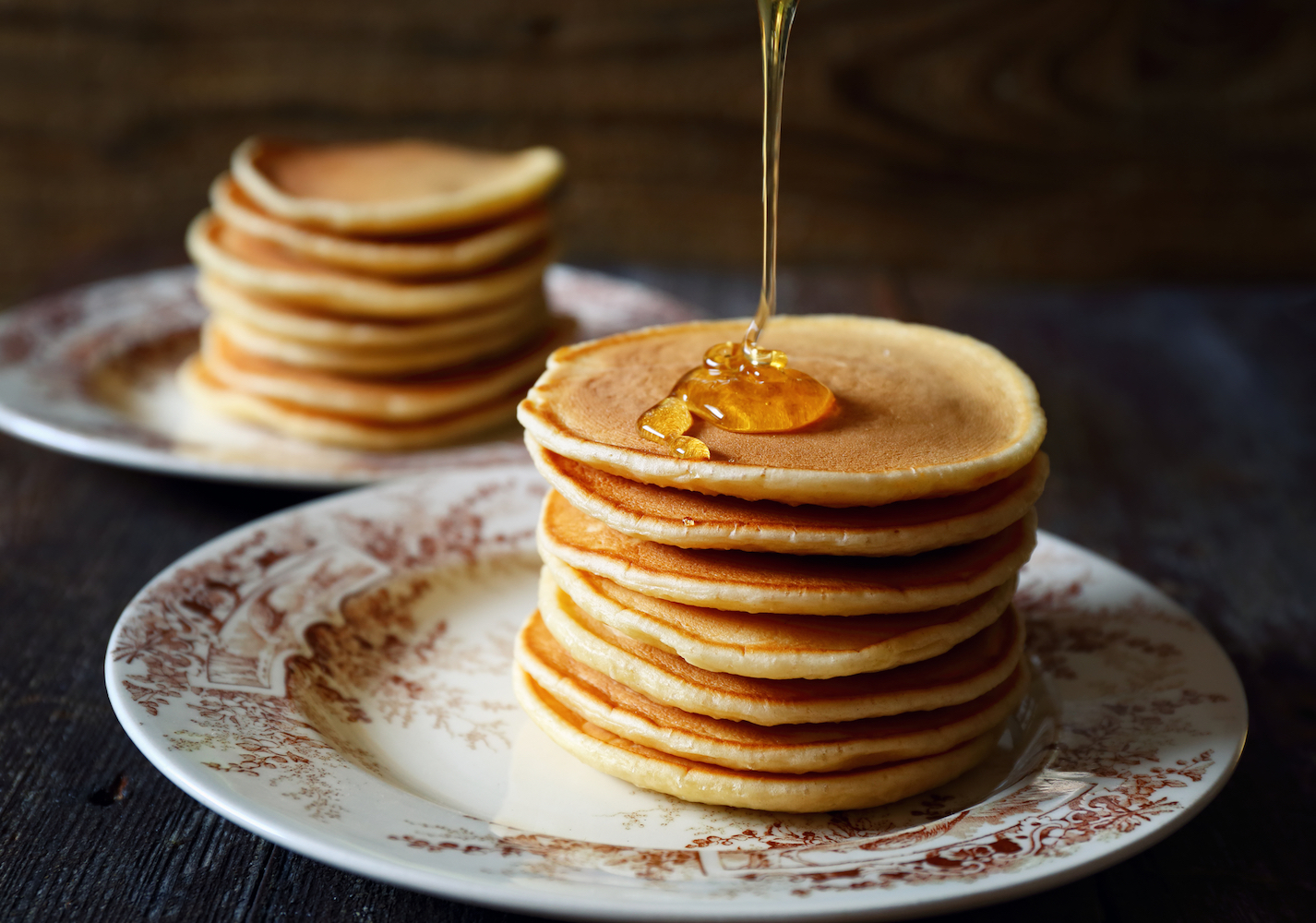
When I was growing up, we mostly ate buttered toast, or Raisin Bran and Cheerios cold cereal before we went to school.  On weekends, my mother cooked eggs, French toast, or pancakes. Now, as an adult, I like bacon or sausage with eggs, adding cheese, chopped green onion and mushrooms if I have them. But I’ll eat anything, even leftovers from lunch or dinner. In the 1800s, people ate eggs for breakfast if they had them, and most of the…

Read More Read More

Canapés or Party Appetizers

Canapés or Party Appetizers

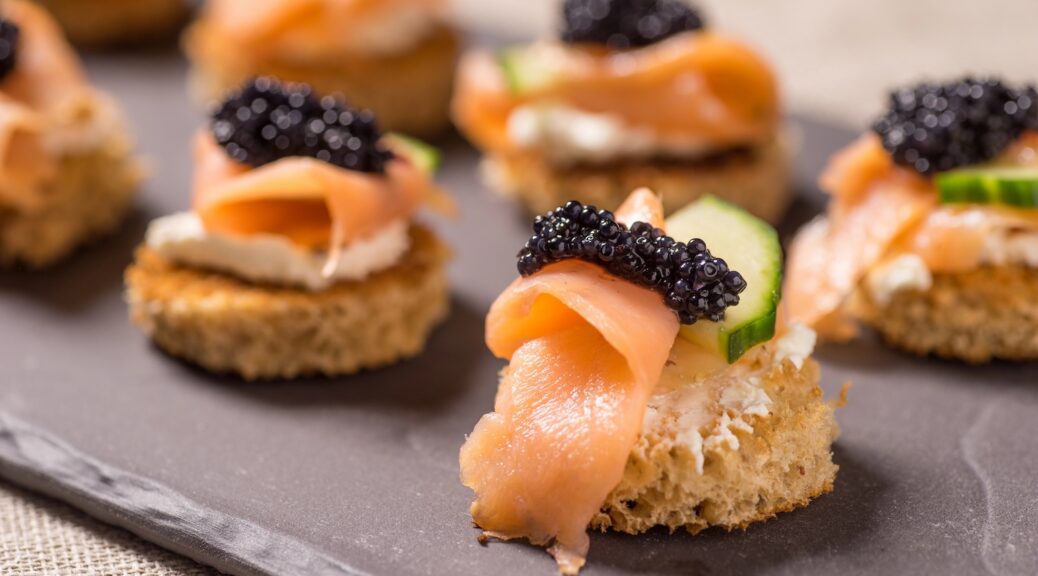
The canapés from 1800s cookbooks sure have some unusual ingredients, such as tongue, anchovy, sardine, and more. And of course, with no electricity and only wood burning stoves, it took a lot more work and skill to make them. INFORMATION BELOW COMPILED FROM 1800s COOKBOOKS: CANAPÉSThese are slices of bread cut into fancy shapes, toasted or quickly fried in hot oil, or they may be spread with butter and browned in a quick oven. One slice only is used for…

Read More Read More

How to Make Butter Sauces and Roux

How to Make Butter Sauces and Roux

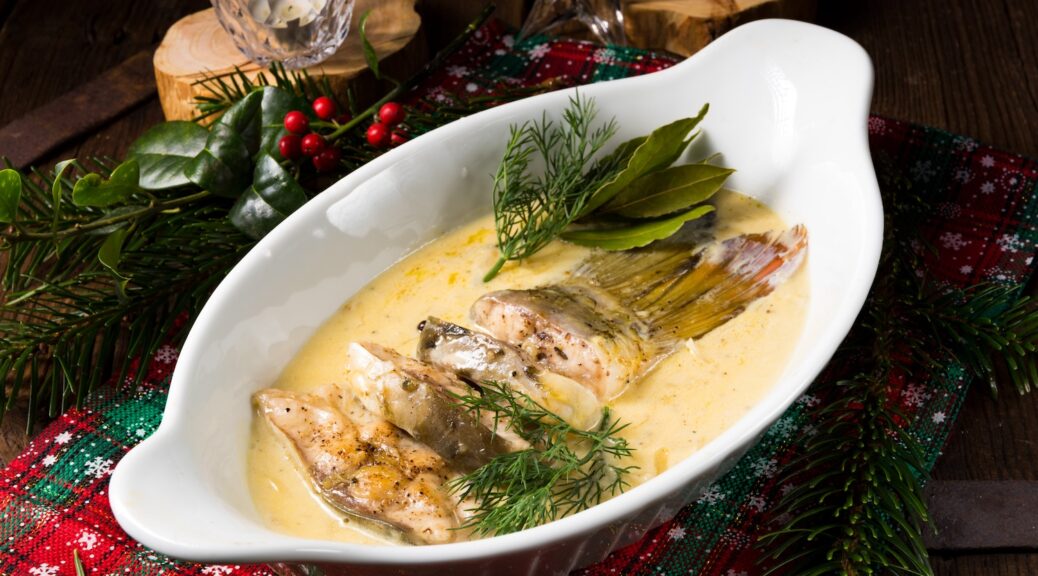
Sauces improve so many dishes, but we often buy prepared sauces or mixes rather than make our own. It can be daunting at first, but once you get the hang of it, you can quickly whip up a basic sauce and then customize it to your tastes. You’re not only saving money, but avoiding eating so many artificial ingredients. INFORMATION BELOW COMPILED FROM 1800s COOKBOOKS: DRAWN (MELTED) BUTTERMelted butter is the foundation of most of the common sauces. It is…

Read More Read More

How to Tell if Eggs are Fresh

How to Tell if Eggs are Fresh

In the U.S., the eggs we buy in stores today are kept refrigerated and have dates stamped on the cartons.  So it’s easy to know if they’re still fresh.  But in the 1800s, electricity was not yet available in homes. Refrigerators were insulated boxes that held a block of ice to keep food cold. Since there wasn’t much room inside, eggs were rarely kept there. As long as eggs were not washed, they could be kept at room temperature; but…

Read More Read More

What is Aspic / Meat Jelly?

What is Aspic / Meat Jelly?

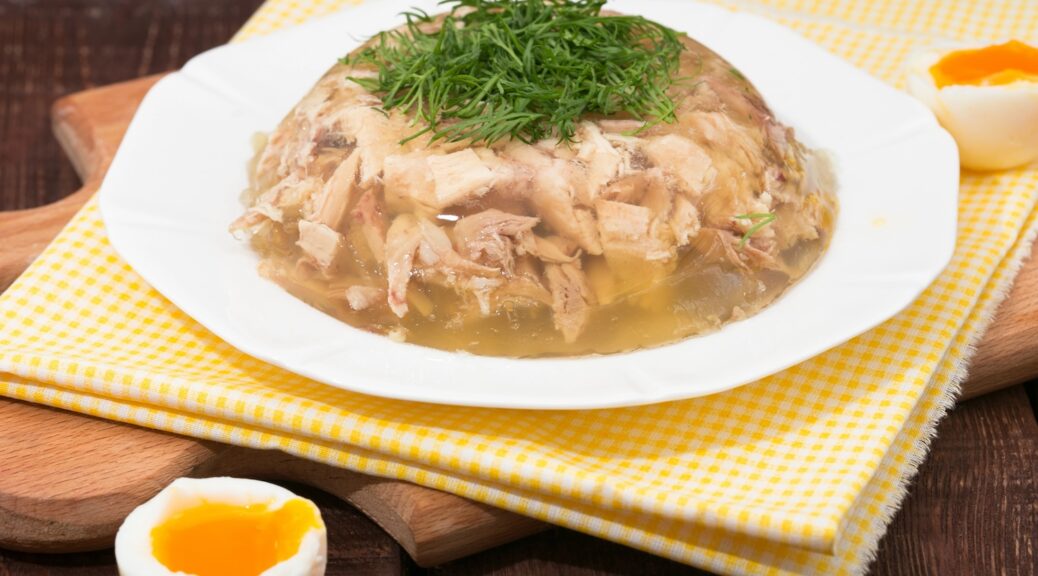
Aspic is a savory stock made from cooking meat slowly, creating a natural gelatin that thickens, then turns to a jelly when it cools. In the past, aspics were used to preserve meats because the gelatin helped keep out air and bacteria.  In the late 1800s, Charles Knox created a commercial gelatin, which saved a lot of time. Aspic can be used as a glaze, garnish, or prepared in a mold with foods such as meat, fruits, or vegetables set…

Read More Read More

How to Try Out (Render) Lard

How to Try Out (Render) Lard

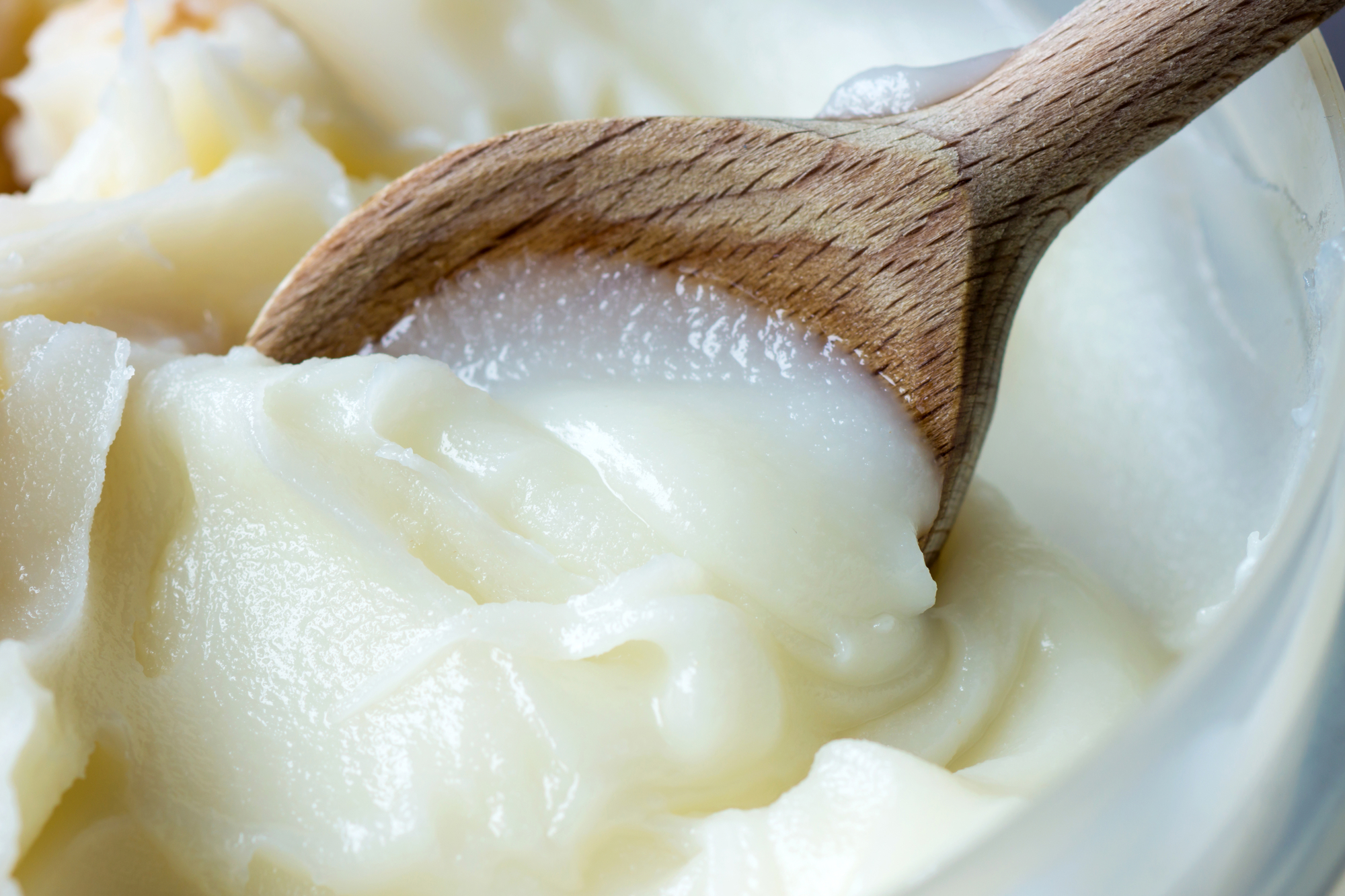
LARD is white fat from a pig, used for cooking and flavoring. This fat is called lard whether it’s been tried out (rendered) or not. Trying out is melting fat to skim out the impurities so it is clean to cook with. When lard is rendered rather than used directly from the pig, it rarely has any odor or particular tasts. A similar fat from cattle or sheep is called tallow. INFORMATION BELOW COMPILED FROM 1800s COOKBOOKS: PRESSED LARD Every…

Read More Read More