Browsed by
Author: Angela Johnson

I’ve been interested in cooking since I was a teenager. Growing up in a small town in Illinois, I ate many home-cooked meals and tried out recipes (mostly cookies). Wherever I live or travel, I check out grocery stores for unusual foods, eat at local restaurants, and buy regional cookbooks. I’m also fascinated with learning how people in the past lived, and how they obtained food and prepared it.
Simple Salads Without Greens

Simple Salads Without Greens

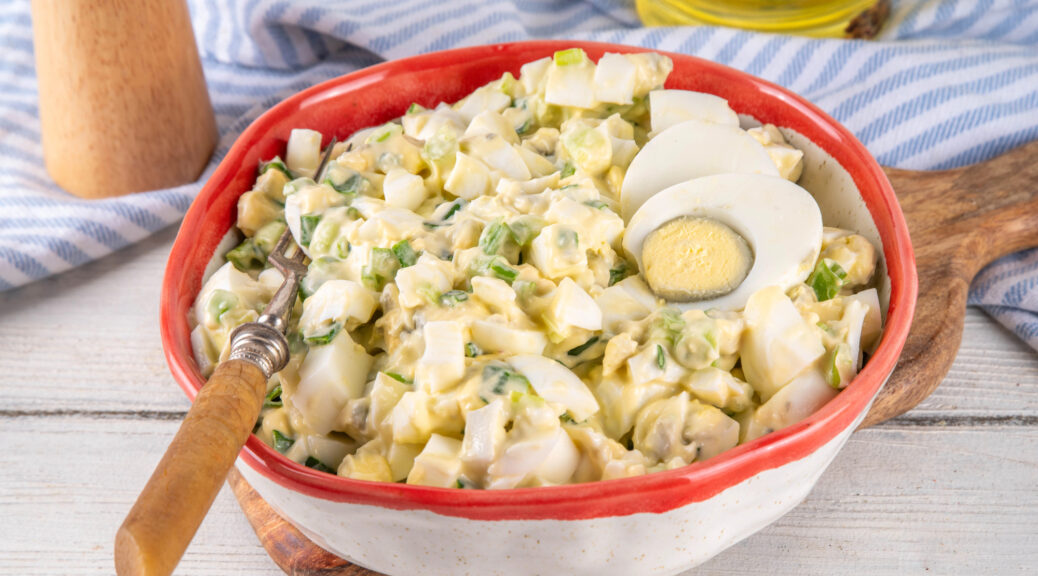
Cookbooks from the 1800s did include recipes for salads made from greens, but these salads were eaten seasonally until commercial refrigeration became available in the late 1800s. The following salad recipes are interesting and unusual. INFORMATION BELOW FROM 1800s COOKBOOKS ITALIAN SALADTake six cold, cooked potatoes, cut in dice, six flaked sardines, three small cucumber pickles, chopped, and a stalk of celery cut fine. Add French dressing. PIMENTO SALADTake several hard-boiled eggs cut into eighths. Add half the quantity of…
Read More Read More

Never Waste Stale Bread

Never Waste Stale Bread

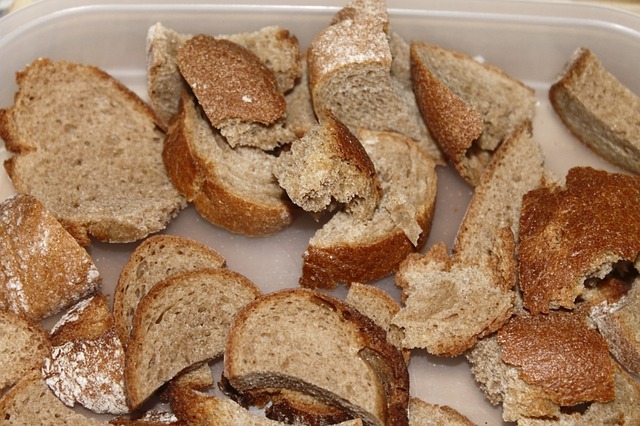
Food in the 1800s was too precious to waste. When you consider the time and effort of making homemade bread, you can understand why cooks made use of bread that went stale. INFORMATION BELOW FROM 1800s COOKBOOKS — Cut stale bread into small pieces, the size of dice. Brown in a hot oven (about 400-450 degrees Fahrenheit) and serve with soup instead of serving crackers. — Small pieces of bread that cannot be used otherwise should be spread over a…

Read More Read More

How to Roast and Boil Coffee

How to Roast and Boil Coffee

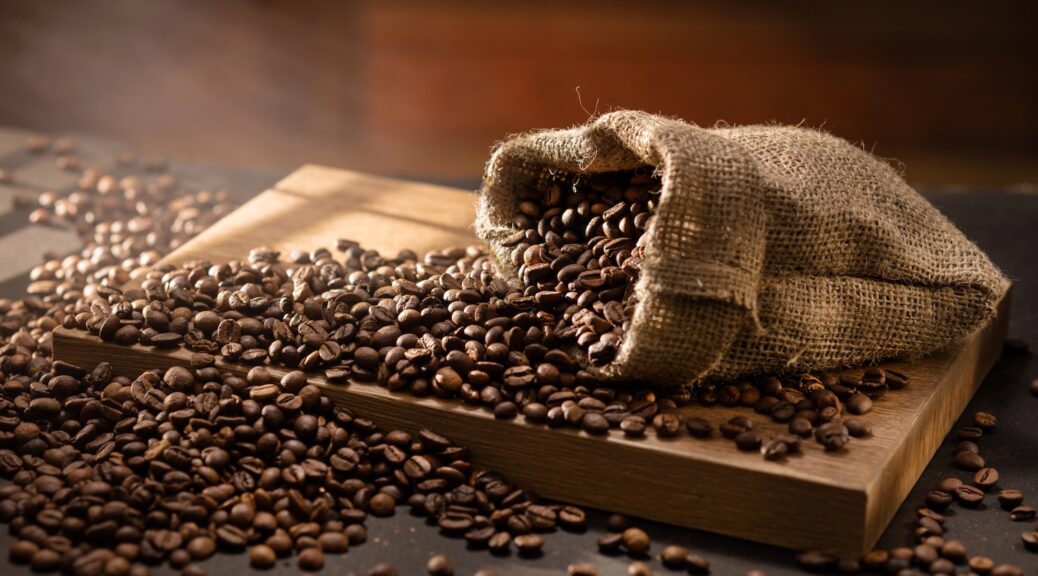
For most of the 1800s, Americans bought green coffee beans in bulk and roasted and ground them at home. Pre-roasted and especially pre-ground coffee only became common toward the later part of the century. Many people simply boiled ground coffee in a metal kettle or pot over the hearth or stove, then let the grounds settle before pouring. Later in the century, early percolators and siphon brewers, made in various metals, ceramics, and sometimes glass were invented. INFORMATION BELOW FROM…

Read More Read More

How to Pickle Mushrooms

How to Pickle Mushrooms

Pickling is a way to preserve foods by using a salt brine or acidic solution.  Pickling mushrooms was a way to preserve a seasonal crop. In the United States, people living in rural areas gathered a small group of recognizable wild mushrooms much like those foraged today. Pickled mushrooms were served in autumn–winter or as part of a mixed pickle, relish, or cold meat spread. Recipes for pickled mushrooms were published in the latter 1800s and they usually called for…

Read More Read More

How to Cook Roast Beef and Yorkshire Pudding

How to Cook Roast Beef and Yorkshire Pudding

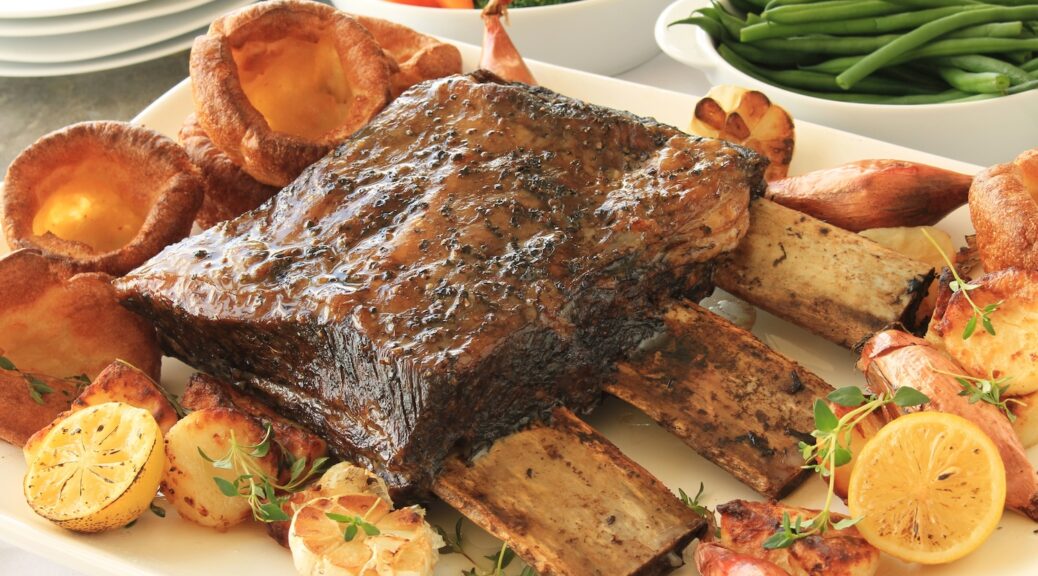
Recipes in 1800s cookbooks provided ingredients and cooking instuctions, but were were vague as to heat tenmperature and cooking times. People cooked using a fireplace or wood burning stove, and had to learn how hot different types of wood would burn. Electric stoves weren’t introduced in the U.S. until the 1910-1930 time frame. Oven thermometers were introduced around 1915. INFORMATION BELOW FROM 1800s COOKBOOKS Roast Beef with Yorkshire Pudding ~ Have three ribs of prime beef prepared by the butcher…

Read More Read More

Interesting Beet (Beetroot) Recipes

Interesting Beet (Beetroot) Recipes

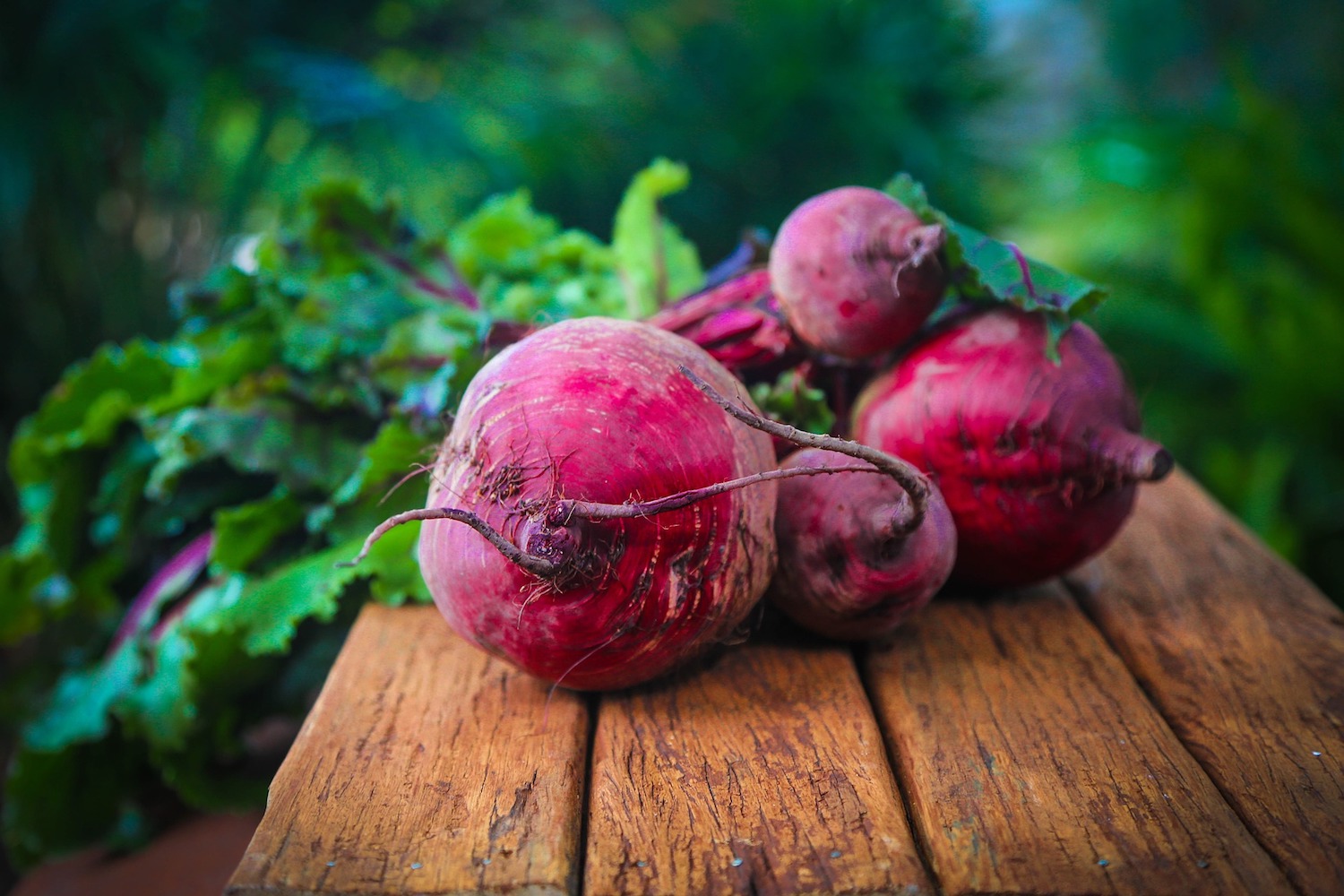
Beets (also called beetroots) were an important root crop in the 1800s.  They kept well during the winter, were nutritious, and provided color to a meal. Beet tops (greens) and stalks were also cooked, but only when fresh. I had only eaten canned pickled beets until recently.  A friend baked some beets that were drizzled with olive oil and I liked them. The beet recipes below also sound interesting, especially the Beetroot Fritters. INFORMATION BELOW FROM 1800s COOKBOOKS SELECTING BEETS…

Read More Read More

Making Homemade Cottage Cheese

Making Homemade Cottage Cheese

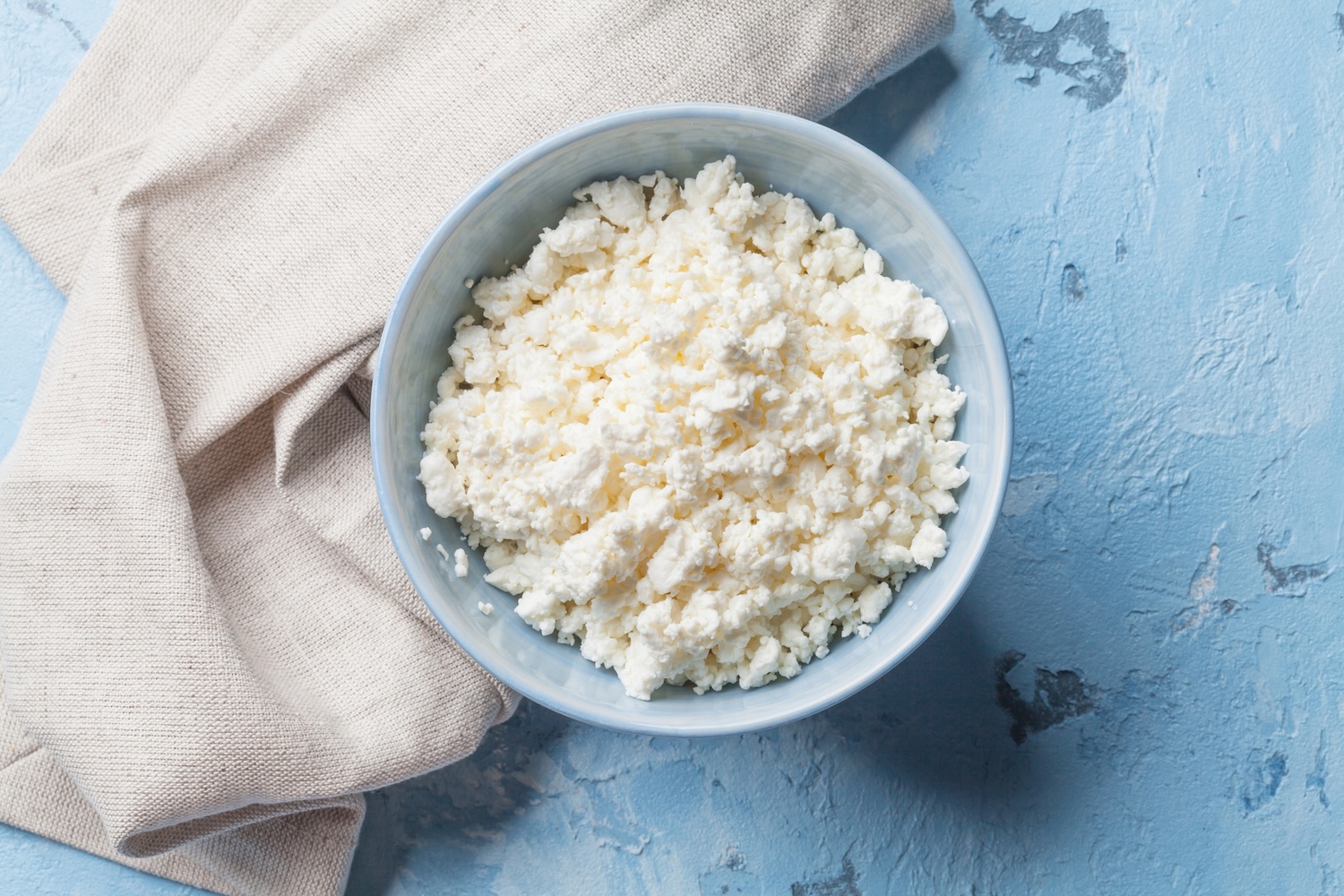
Before electric refrigeration, milk often soured before it could be used, But sour milk was not wasted. It was allowed to clabber or get thick, and then could be made into cottage cheese. My grandmother made her own cottage cheese and used to tie it in cloth bags and hang them from the clothes line to drain. She didn’t get electricity on her farm until 1950. Cottage cheese was also called Dutch, Curd, Sour Milk cheese or Smearcase. The milk…

Read More Read More

Roast Goose and Christmas Goose Pie

Roast Goose and Christmas Goose Pie

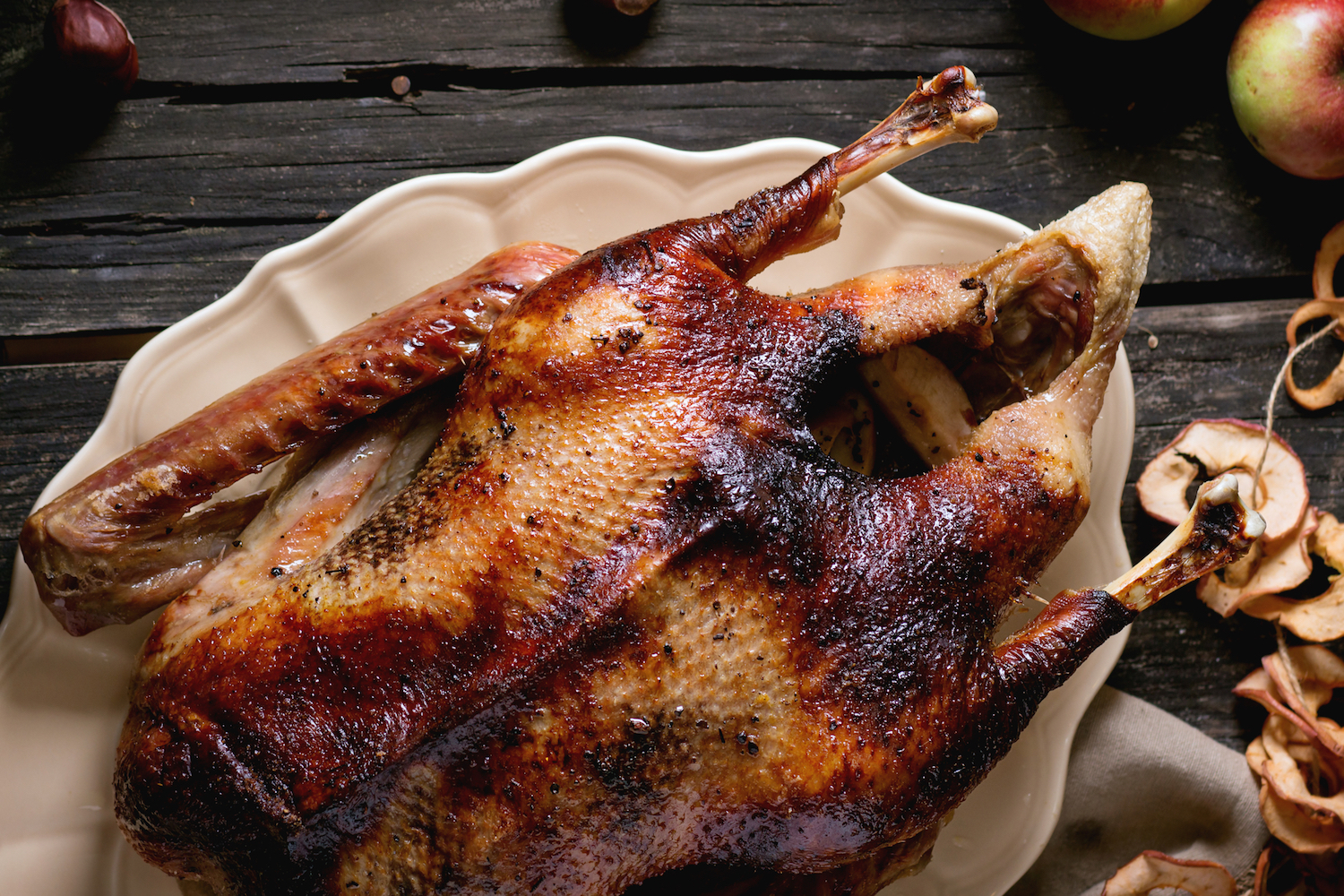
Although people in the 1800s did hunt wild geese, a Christmas or holiday goose was more often a barnyard bird raised on farms. Wild geese are leaner, more muscular, and often older birds than domestic ones. Therefore, they need to be cooked a little differently. Recipes in cookbooks, unless specifically a cookbook for game, are for cooking geese raised on farmland. In the mid to late 1800s, though, turkey began overtaking goose as the meat for winter holidays. It was…

Read More Read More