Browsed by
Category: Miscellaneous

Pasta Introduced to the U. S. (With Recipes)

Pasta Introduced to the U. S. (With Recipes)

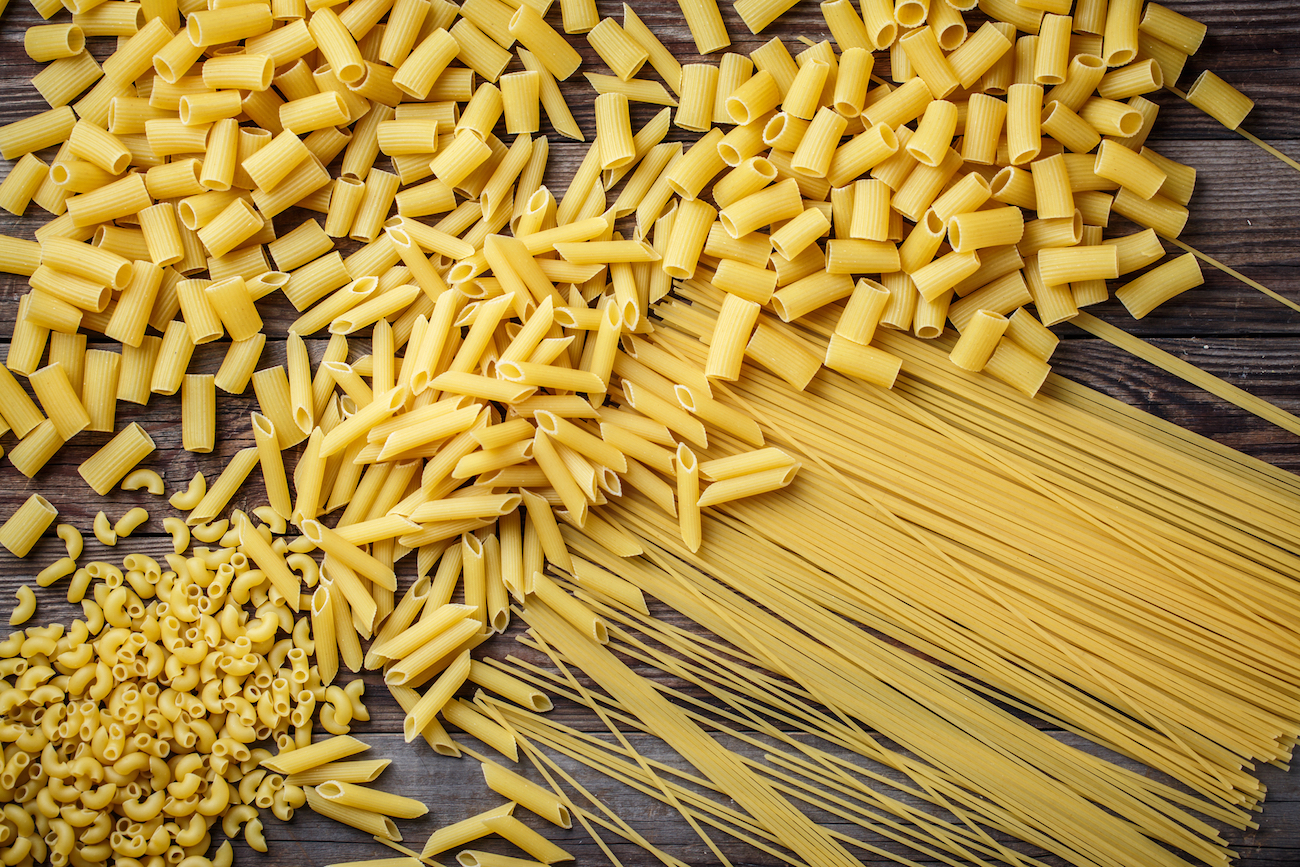
Thomas Jefferson was the US Minister to France from 1785-1789 and enjoyed the many pasta dishes served there. He brought back macaroni and other noodle recipes, plus a pasta machine. When he became president, he served macaroni and cheese at an 1802 state dinner. Macaroni was sold in long tubes, then broken into smaller pieces when ready to cook. Kraft Foods introduced its boxed macaroni and cheese in 1937, during the Great Depression. With rationing in effect during World War…

Read More Read More

Old-Fashioned Pudding Recipes

Old-Fashioned Pudding Recipes

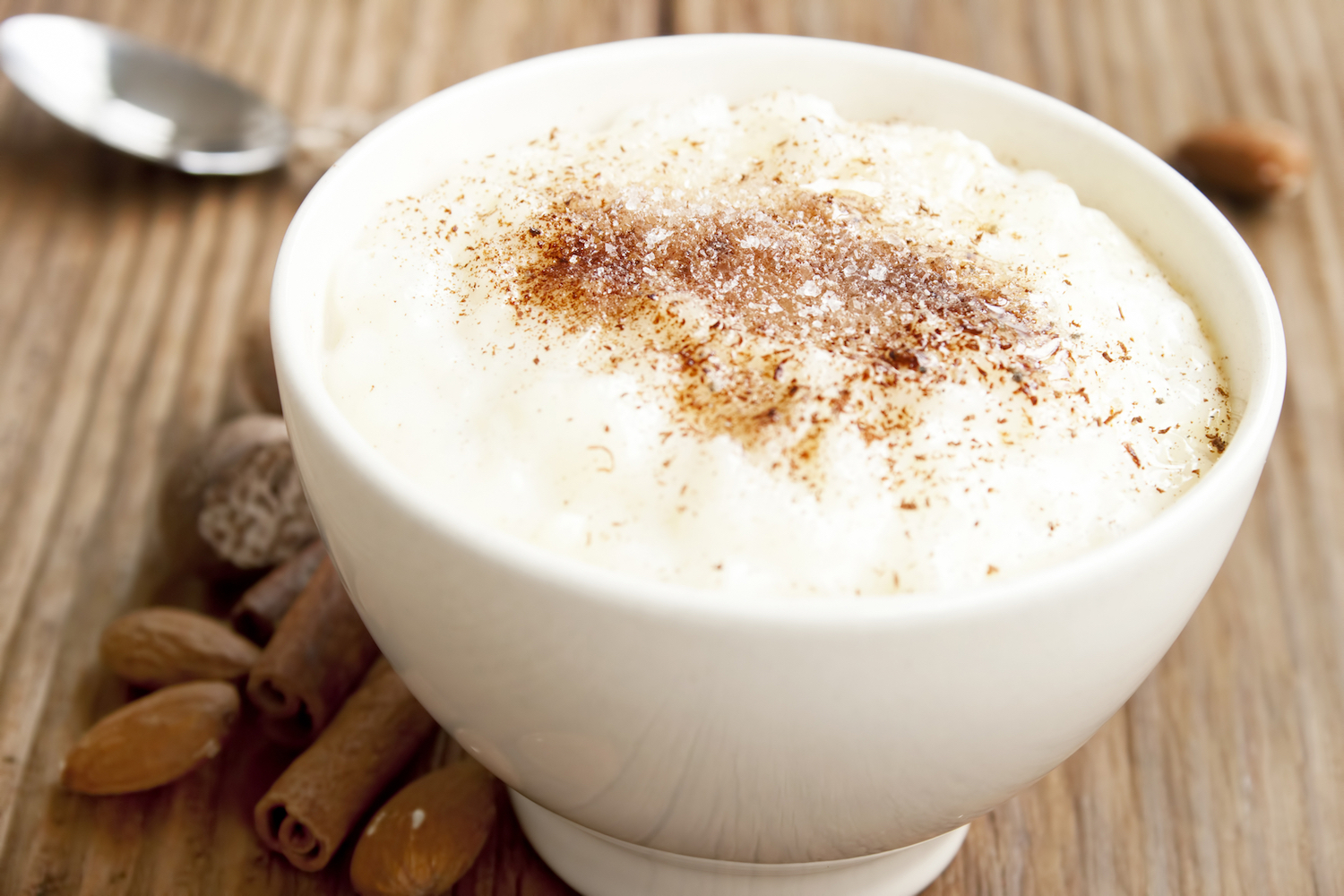
There were no packaged pudding mixes in the 1800s. Homemade puddings were made from scratch and were either baked, boiled, or steamed. Puddings were made from a variety of foods, served hot or cold, and was a time-consuming process. “My*T*Fine” was the first packaged pudding introduced to the United States in 1918. Source – FoodTimeline.org .   INFORMATION BELOW FROM 1800s COOKBOOKS ABOUT PUDDINGS The eggs for all sorts of puddings in which they are used should be well beaten and then…

Read More Read More

About Honey – Mead, Vinegar, Flavored…

About Honey – Mead, Vinegar, Flavored…

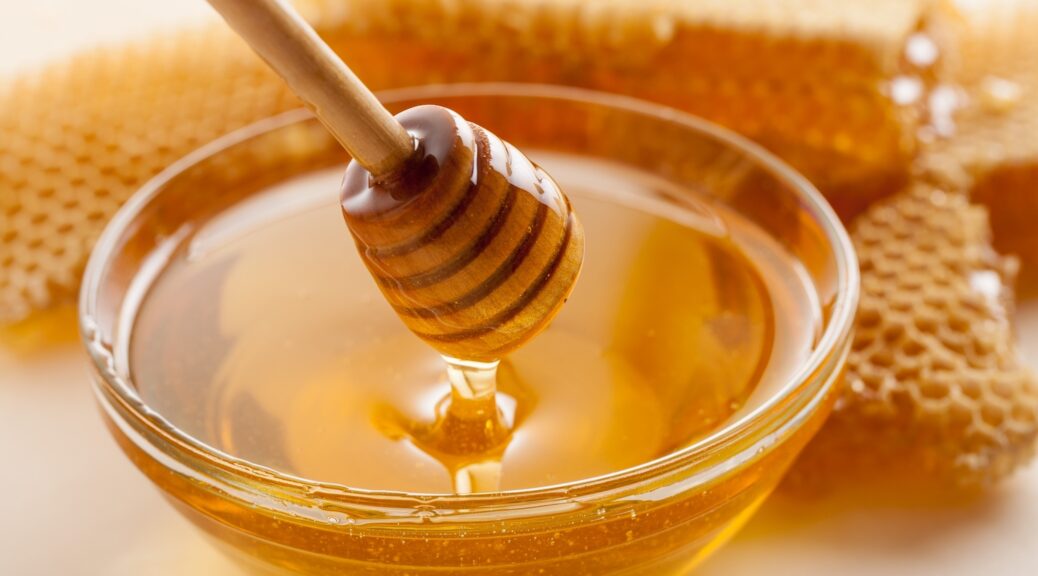
Although honey was a desired sweetener in the 1800s, it was not common in many households. It cost more than sugar or molasses, and most people couldn’t afford it. Some cookbooks published during this time period included recipes on how to make your own (artificial) honey, which was supposed to taste like the real thing. INFORMATION BELOW FROM 1800s COOKBOOKS Honey is sweeter than white sugar, and molasses is less sweet. When using either of these as a substitute to…

Read More Read More

How to Cook Beef Brains

How to Cook Beef Brains

You may have recently heard of eating “nose to tail,” meaning to eat the whole animal, not just cuts of muscle meat like we usually see at grocery stores. These parts of the animal are usually called “offal,” which includes the intestines, liver, heart, lung, kidneys, brain, etc.  In the 1800s, there were many recipes for cooking brain, usually beef brain. But brain from other animals can be used.  INFORMATION BELOW FROM 1800s COOKBOOKS TO PREPARE BRAINPut the brain in…

Read More Read More

How to Cook Rice, with Recipes

How to Cook Rice, with Recipes

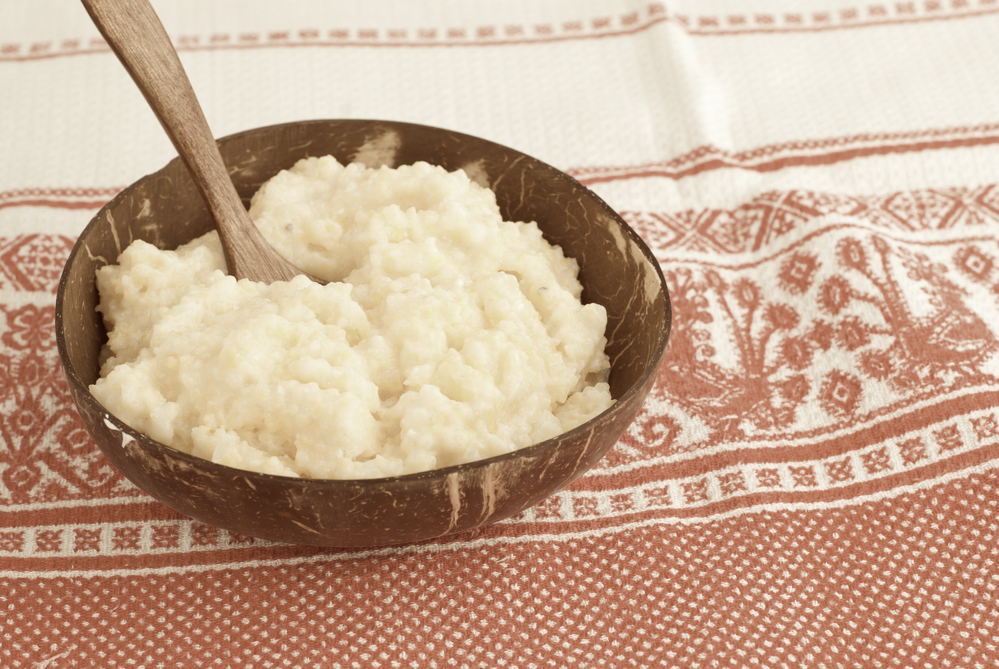
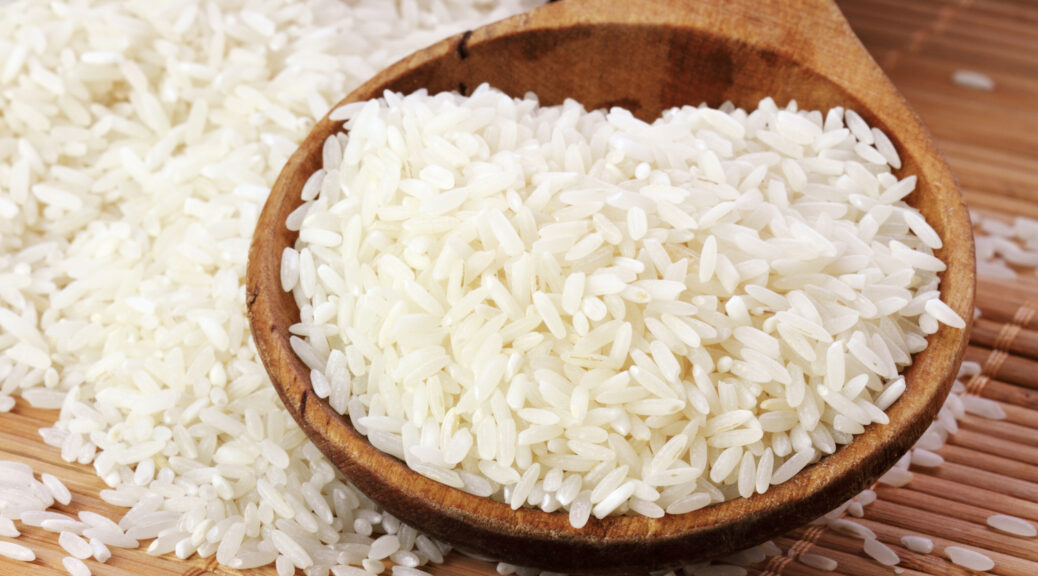
In the 1800s, rice was grown in the states of South Carolina, Georgia and Louisiana. Of course quick-cooking “minute” rice or packaged rice mixes weren’t available yet. Recipes below include Rice with Cheese, Rice with Cabbage and Cheese, Rice-Water, Rice Croquettes, Rice Soufflé, and Rice Milannaise. INFORMATION BELOW FROM 1800s COOKBOOKS TO BOIL RICE Wash half a pound of rice in water and drain it. Put it in a saucepan with one quart of broth taken from the top of the…

Read More Read More

How to Make Delicious Canapes

How to Make Delicious Canapes

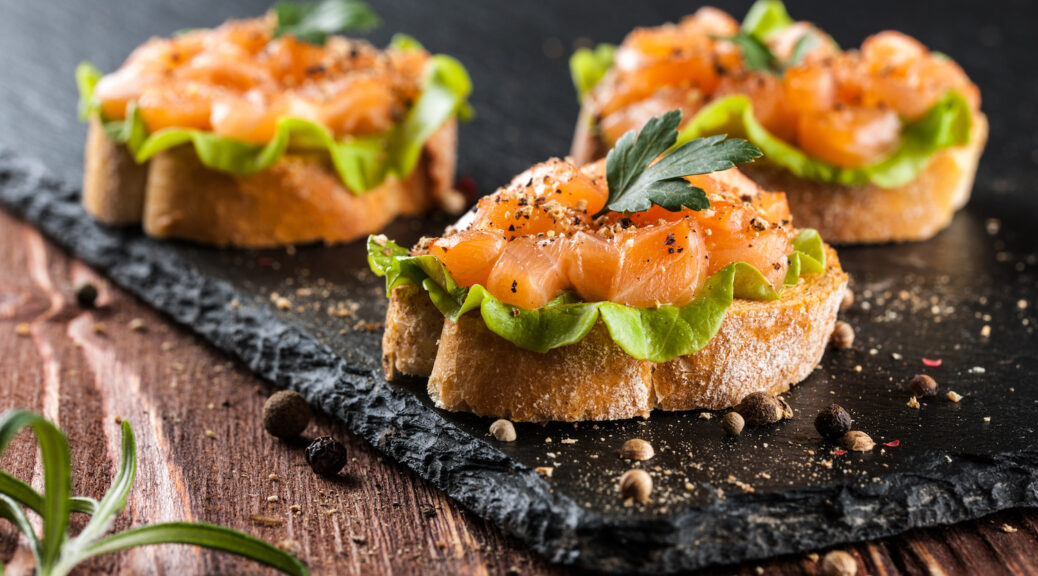
A canape is half of a sandwich. Slices of bread are cut into fancy shapes, toasted or quickly fried in hot oil, or they may be spread with butter and browned in a quick oven. One slice only is used for each canape. The mixture is spread on top, the top garnished, and the canape used at once.  INFORMATION BELOW FROM 1800s COOKBOOKS Cold canapes are placed always among the appetizers and served before the soup. They are made of…

Read More Read More

Make Homemade Gravy; With Meat or Without

Make Homemade Gravy; With Meat or Without

Gravy is traditionally a sauce made from meat drippings and combined with some type of thickening agent. It was especially used in French cooking and became popular in the U.S. in the 1800s. Gravies other than those made from meat include cream or white gravy, mushroom gravy, onion gravy, giblet gravy, vegetable gravy, and more. INFORMATION BELOW FROM 1800s COOKBOOKS MAKING GRAVIESNever toss “that carcass” of fowl, or the ham, or mutton-bone, “with next to nothing upon it,” to the…

Read More Read More

Best Practices for Frying Foods

Best Practices for Frying Foods

Before commercialized fats were produced, people used beef suet, pork lard, dripping from cooked meats, and butter to fry food.  “Frying, though one of the most common of culinary operations, is one that is least  performed perfectly well.” quote from an 1800s cookbook. INFORMATION BELOW FROM 1800S COOKBOOKS GENERAL RULES FOR FRYING Since fat, when heated, reaches such a high temperature, the kettle in which it is heated should be made of iron. The Dutch Oven is a very convenient…

Read More Read More