Browsed by
Category: Miscellaneous

Cottolene – First Vegetable Shortening Alternative to Lard

Cottolene – First Vegetable Shortening Alternative to Lard

Cottolene was the first mass-produced alternative to lard, made with cottonseed oil and beef suet. It was launched in 1868 by the N.K. Fairbank Company and advertised as a vegetable shortening more pure and wholesome than lard.  Although cotton isn’t a vegetable, the FDA defines any oil sourced from plants—regardless of whether it comes from a fruit, nut, seed, or vegetable as a “vegetable oil.” Cottolene looked like lard and came packaged in pails, just like lard. It was aggressively promoted…

Read More Read More

How to Make Crackers

How to Make Crackers

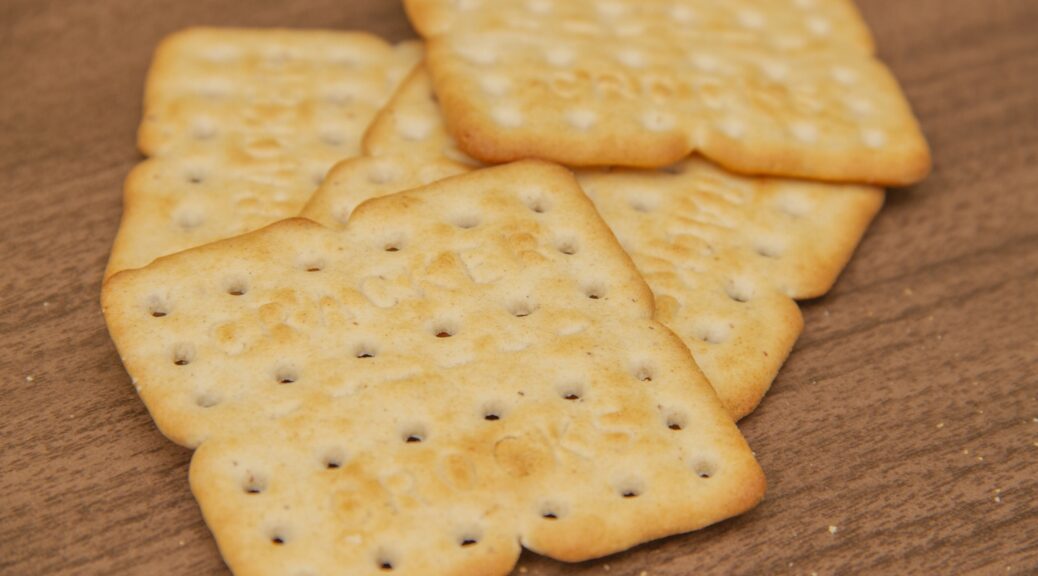
When I was young, the only crackers my mother bought were saltines and occasionall graham crackers (for a treat). Today there is usually a whole aisle in stores devoted entirely to crackers. During most of the 1800s, people made their own crackers. They may have flavored them, but recipes in cookbooks didn’t mention it. In the latter part of the 1800s and early 1900s, crackers were sold in country stores. They were shipped in barrels to prevent them from breaking….

Read More Read More

Syllabub for Festive Occasions

Syllabub for Festive Occasions

Syllabub is a creamy, sweet dessert, originally from England. It’s made with cream, sugar, citrus juice, usually wine, or some other liquor. Syllabub was popular in the United States during the 18th and early 19th centuries, especially at festive occasions and social gatherings. It sounds deliciious and would be fun to try and make. RECIPES BELOW FROM 1800s COOKBOOKS SYLLABUBTake one quart of rich milk or cream, one cup wine, and one-half cup sugar. Put the sugar and wine into a…

Read More Read More

Determine Oven Heat in a Wood Burning Stove

Determine Oven Heat in a Wood Burning Stove

“Any systematic housekeeper will hail the day some enterprising yankee or buckeye girl shall invent a stove or range with a thermometer attached to the oven so that the heat may be regulated accurately and intelligently.” Quote from “Buckeye Cookery: With Hints on Practical Housekeeping, by Estelle Woods Wilcox, 1881.” Imagine what it was like to cook food using only a wood burning stove. Oven thermometers hadn’t been invented yet, so recipes often said to cook until done, or to use…

Read More Read More

Cereals and Grains Used in Cooking

Cereals and Grains Used in Cooking

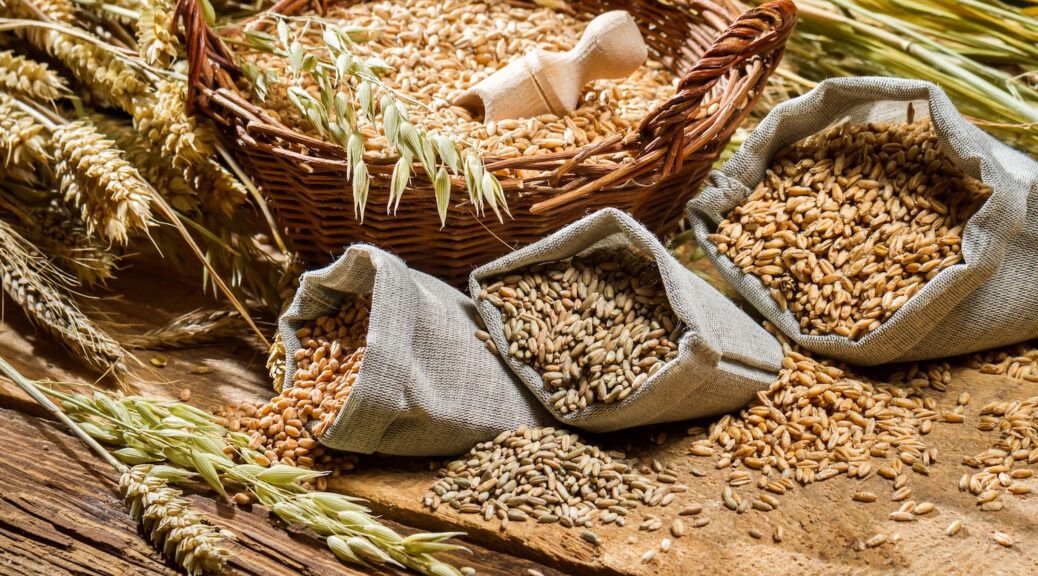
The terms “cereals” and “grains” are used interchangeably in old cookbooks. Cereal refers to grasses cultivated for their edible grains, such as wheat, rice, and corn. Grain is a broader term that includes the seeds of various plants, including cereals and legumes. Essentially, all cereals are grains, but not all grains are cereals. INFORMATION BELOW COMPILED FROM 1800s COOKBOOKS: CEREALS or GRAINSGrains may be considered perfect food in themselves, as they contain all the food elements in nearly right proportions….

Read More Read More

About Sago and How to Use It

About Sago and How to Use It

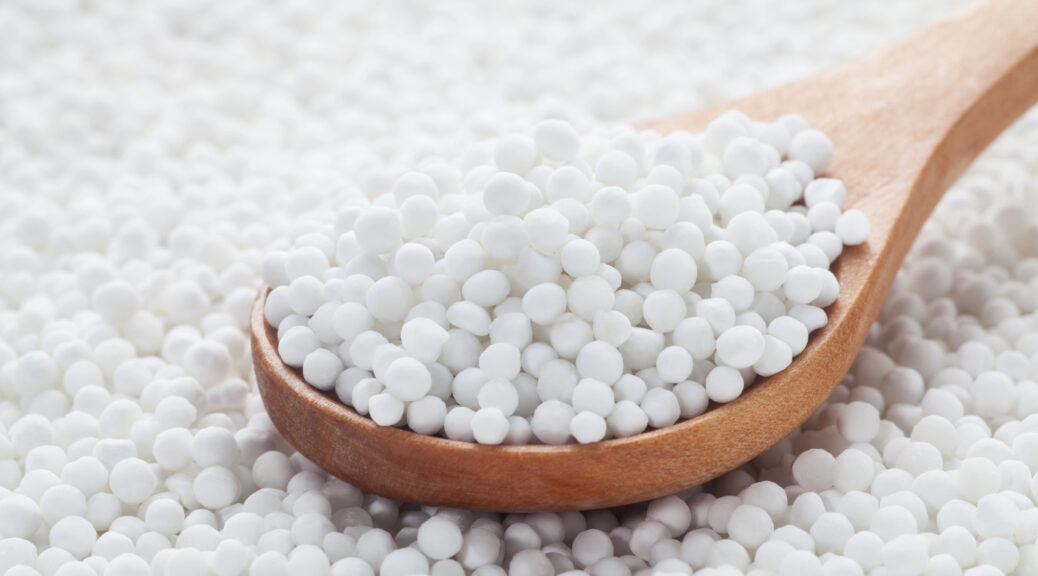
SAGO FOR INVALIDSPut a teacupful of sago into a quart of water, and a bit of lemon peel. When thickened, grate some ginger, and add half a pint of raisin wine, brown sugar, and two spoonfuls of Geneva.* Boil all up together. It is a most supporting thing for those whom disease has left very feeble. *Geneva –  an alternative name for jenever or genever, a juniper-flavored traditional spirit originating from the Netherlands and Belgium, distinctly different from English-style gin….

Read More Read More

Hearty Family Breakfasts For Winter

Hearty Family Breakfasts For Winter

When I was growing up, we mostly ate buttered toast, or Raisin Bran and Cheerios cold cereal before we went to school.  On weekends, my mother cooked eggs, French toast, or pancakes. Now, as an adult, I like bacon or sausage with eggs, adding cheese, chopped green onion and mushrooms if I have them. But I’ll eat anything, even leftovers from lunch or dinner. In the 1800s, people ate eggs for breakfast if they had them, and most of the…

Read More Read More

Canapés or Party Appetizers

Canapés or Party Appetizers

The canapés from 1800s cookbooks sure have some unusual ingredients, such as tongue, anchovy, sardine, and more. And of course, with no electricity and only wood burning stoves, it took a lot more work and skill to make them. INFORMATION BELOW COMPILED FROM 1800s COOKBOOKS: CANAPÉSThese are slices of bread cut into fancy shapes, toasted or quickly fried in hot oil, or they may be spread with butter and browned in a quick oven. One slice only is used for…

Read More Read More