Browsed by
Author: Angela Johnson

I’ve been interested in cooking since I was a teenager. Growing up in a small town in Illinois, I ate many home-cooked meals and tried out recipes (mostly cookies). Wherever I live or travel, I check out grocery stores for unusual foods, eat at local restaurants, and buy regional cookbooks. I’m also fascinated with learning how people in the past lived, and how they obtained food and prepared it.
How to Pickle Fresh Fruit

How to Pickle Fresh Fruit

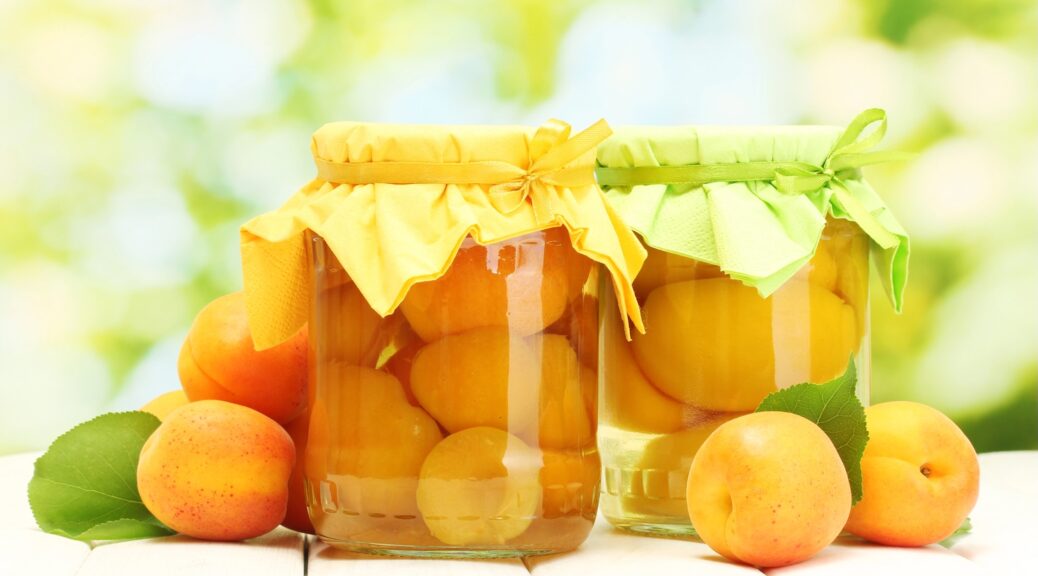
Home canning wasn’t popular until the Mason jar was invented in 1858. It had a screw-on threaded rim and metal lid with a rubber seal. Now, rather than relying on the traditional method of pickling or salting food and storing it in large stone crocks, food could be canned and in smaller quantities. PLEASE NOTE: if any of the recipes below sound interesting, use a modern cookbook for canning directions. The instructions below are a bit vague and may not…

Read More Read More

Making Seafood Soups and Chowders

Making Seafood Soups and Chowders

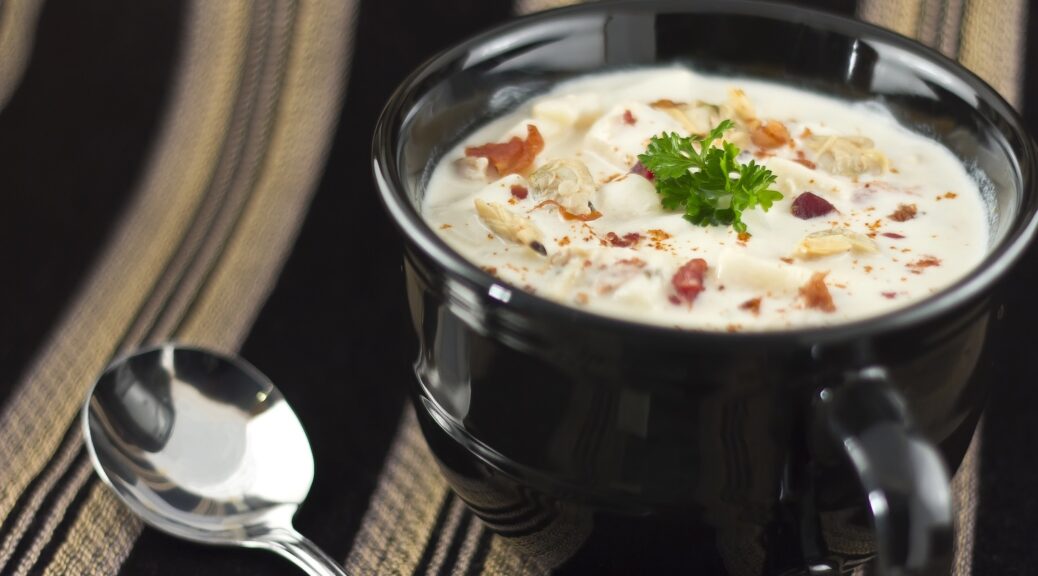
Seafood was common and cheap on the East Coast during the early part of the 1800s. But overharvesting and overfishing made them scarcer and expensive. INFORMATION BELOW COMPILED FROM 1800s COOKBOOKS OYSTER BOUILLONBring to the boil in their own liquor a quart of oysters. Skim out the oysters, chop fine, and return to the liquor. Add a quart of water, a teaspoon of celery seed, and a tablespoon of butter. Simmer for half an hour, strain through cheese-cloth, season with…

Read More Read More

Making Boiled Fruit Dumplings

Making Boiled Fruit Dumplings

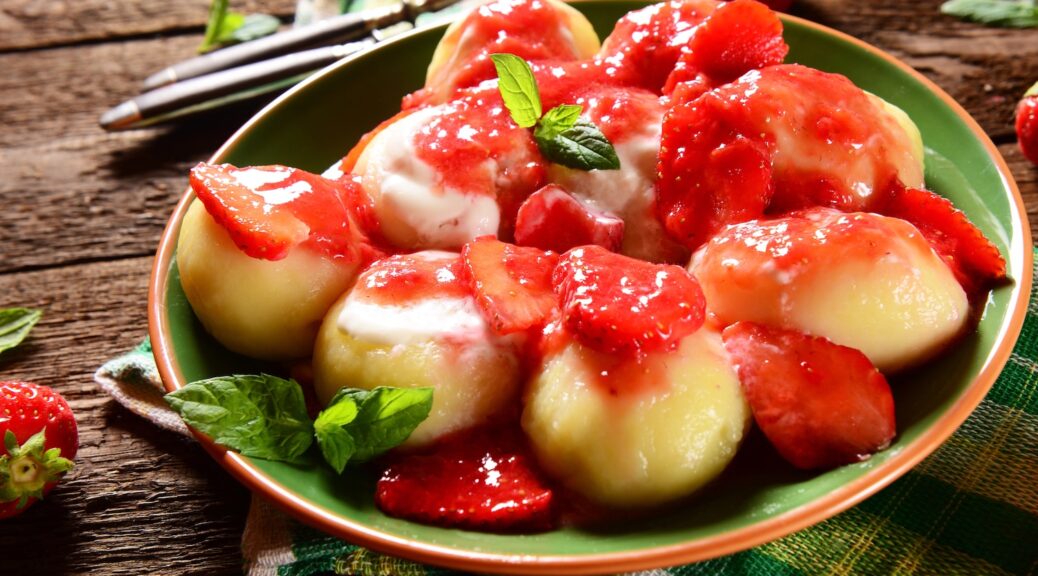
I usually think of dumplings as an addition to soup, but fruit dumplings make a delicious dessert. Although dumplings can be baked (usually apple dumplings), these recipes are for boiled dumplings. INFORMATION BELOW COMPILED FROM 1800s COOKBOOKS ORANGE DUMPLINGSMix two cups prepared flour, two eggs, two teaspoons butter, one tablespoon sugar and one cup water into a thick batter. Pare three nice oranges and cut them into small pieces. Remove the pits and all the skin, so that there is…

Read More Read More

The Value of Soup and its Place in the Meal

The Value of Soup and its Place in the Meal

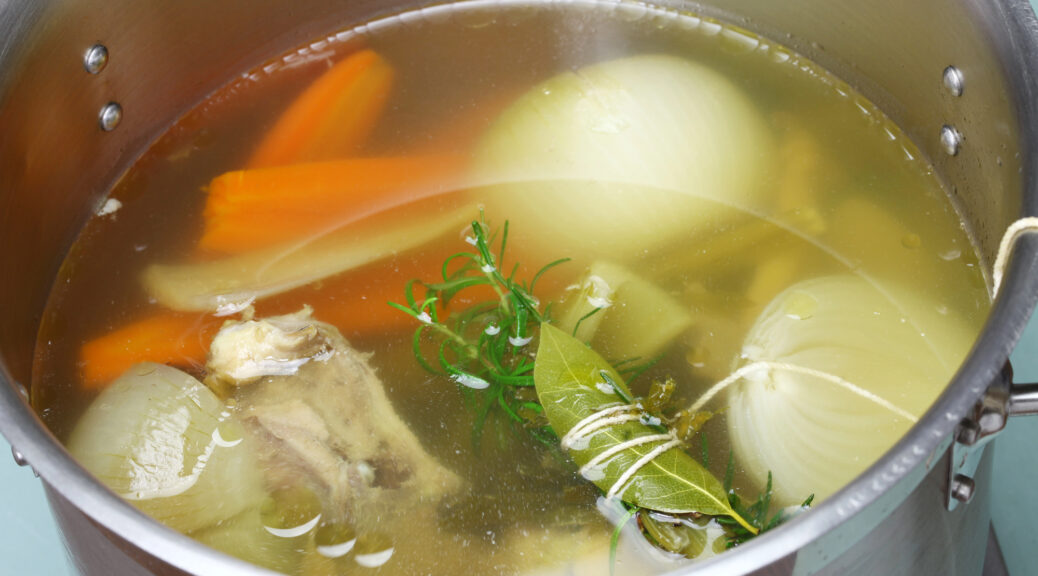
Making homemade soup isn’t hard today with the convenience of a Crock Pot, Instant Pot, or other modern cooking device. But there was no electricity in homes during the 1800s, so it was a little more complicated. Once you accomplished the skill of knowing how to regulate the heat in your wood-burning stove, you could use a huge pot to simmer soup for hours, letting the ingredients all meld together for a wonderful appetizer or first course. INFORMATION BELOW COMPILED…

Read More Read More

Keeping Fruit Fresh Through the Winter

Keeping Fruit Fresh Through the Winter

Home refrigerators that held a block of ice were available in the 1800s, but they were small and didn’t hold much food. Electric refrigerators were introduced around 1913, but were quite expensive and only the rich owned one. They became a little more common in the 1920s, with more being sold in the 1930s, but even then, not everyone had one. My grandparents lived on a small farm in Illinois and didn’t even get electricity until 1950. So until electric…

Read More Read More

Cottolene – First Vegetable Shortening Alternative to Lard

Cottolene – First Vegetable Shortening Alternative to Lard

Cottolene was the first mass-produced alternative to lard, made with cottonseed oil and beef suet. It was launched in 1868 by the N.K. Fairbank Company and advertised as a vegetable shortening more pure and wholesome than lard.  Although cotton isn’t a vegetable, the FDA defines any oil sourced from plants—regardless of whether it comes from a fruit, nut, seed, or vegetable as a “vegetable oil.” Cottolene looked like lard and came packaged in pails, just like lard. It was aggressively promoted…

Read More Read More

How to Make Crackers

How to Make Crackers

When I was young, the only crackers my mother bought were saltines and occasionall graham crackers (for a treat). Today there is usually a whole aisle in stores devoted entirely to crackers. During most of the 1800s, people made their own crackers. They may have flavored them, but recipes in cookbooks didn’t mention it. In the latter part of the 1800s and early 1900s, crackers were sold in country stores. They were shipped in barrels to prevent them from breaking….

Read More Read More

Syllabub for Festive Occasions

Syllabub for Festive Occasions

Syllabub is a creamy, sweet dessert, originally from England. It’s made with cream, sugar, citrus juice, usually wine, or some other liquor. Syllabub was popular in the United States during the 18th and early 19th centuries, especially at festive occasions and social gatherings. It sounds deliciious and would be fun to try and make. RECIPES BELOW FROM 1800s COOKBOOKS SYLLABUBTake one quart of rich milk or cream, one cup wine, and one-half cup sugar. Put the sugar and wine into a…

Read More Read More