Browsed by
Author: Angela Johnson

I’ve been interested in cooking since I was a teenager. Growing up in a small town in Illinois, I ate many home-cooked meals and tried out recipes (mostly cookies). Wherever I live or travel, I check out grocery stores for unusual foods, eat at local restaurants, and buy regional cookbooks. I’m also fascinated with learning how people in the past lived, and how they obtained food and prepared it.
Pumpkin Loaf, Indian Cakes, Marmalade, Pie, and Tart

Pumpkin Loaf, Indian Cakes, Marmalade, Pie, and Tart

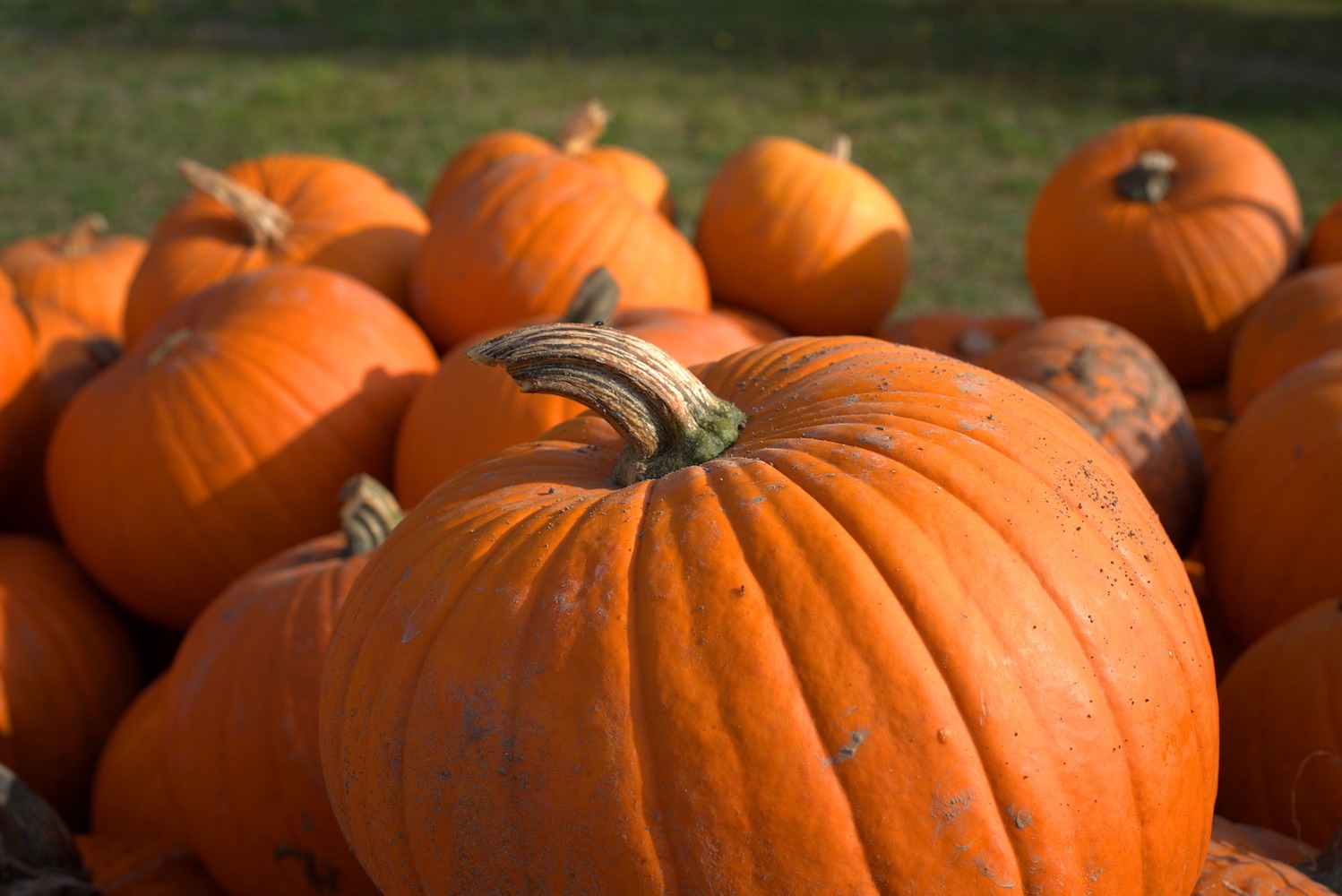
Pumpkins were a popular crop in the 1800s. They were easy to grow and if stored properly in a warm, dry place, could be kept all winter. Recipes from old cookbooks used fresh pumpkins, but if one called for stewed pumpkin, it’s like the plain canned pumpkin we buy today. Recipes often did not include baking times or how hot to make your oven.  You were supposed to know or learn through experience.  INFORMATION BELOW FROM 1800s COOKBOOKS Deep colored…
Read More Read More

Winter Squash Recipes

Winter Squash Recipes

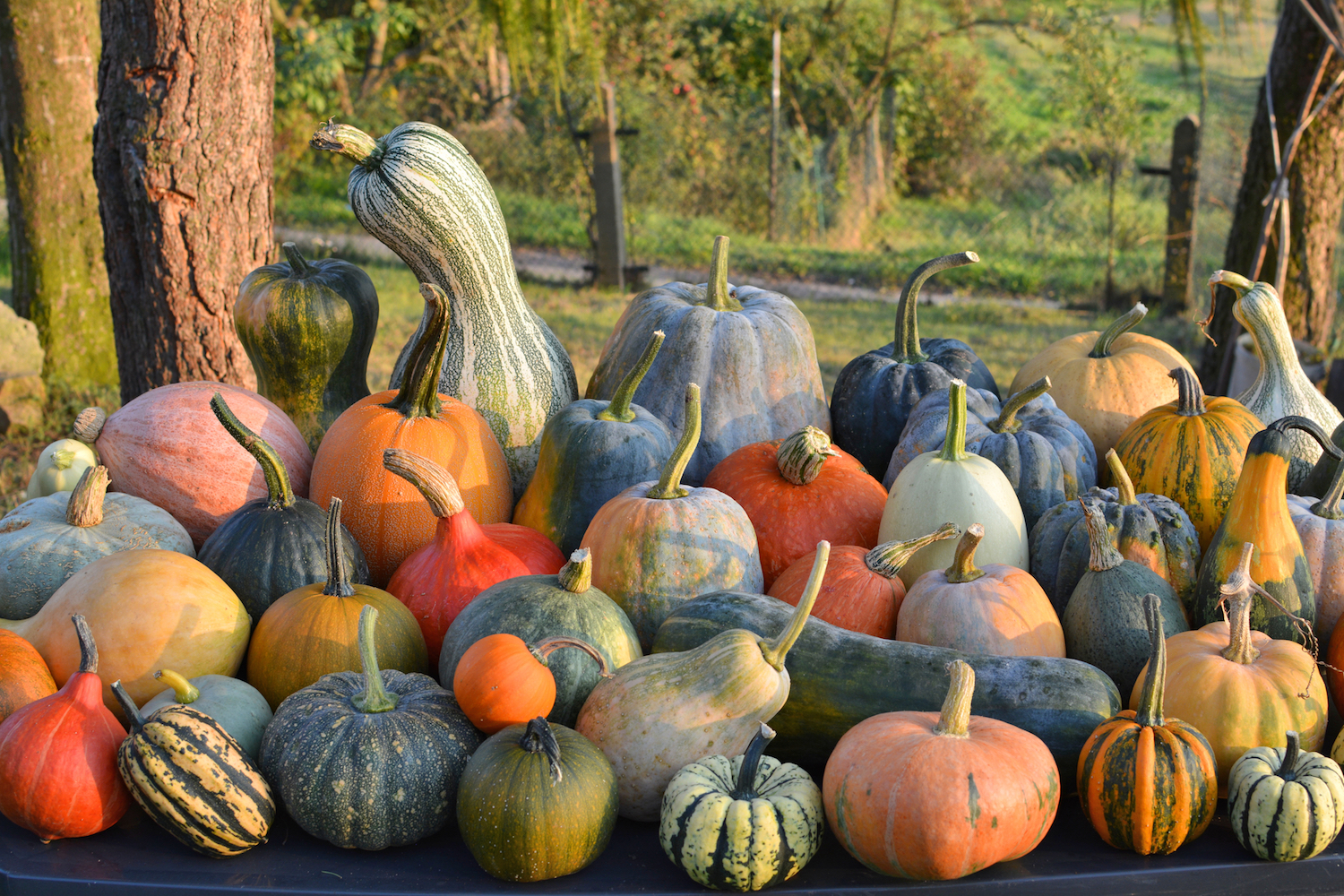
I never ate any kind of squash when I was a child, but I’ve eaten summer squashes like green zucchini and yellow squash as an adult. It’s only been in the last couple of years that I’ve tried any of the winter squashes: Butternut Squash, Spaghetti Squash, and Delicata Squash. When people in the 1800s cooked foods in their wood burning stoves, there were no thermometers. So recipes referred to the oven temperature as a slow, moderate, or hot oven. The cook…

Read More Read More

Cooking Summer Squash

Cooking Summer Squash

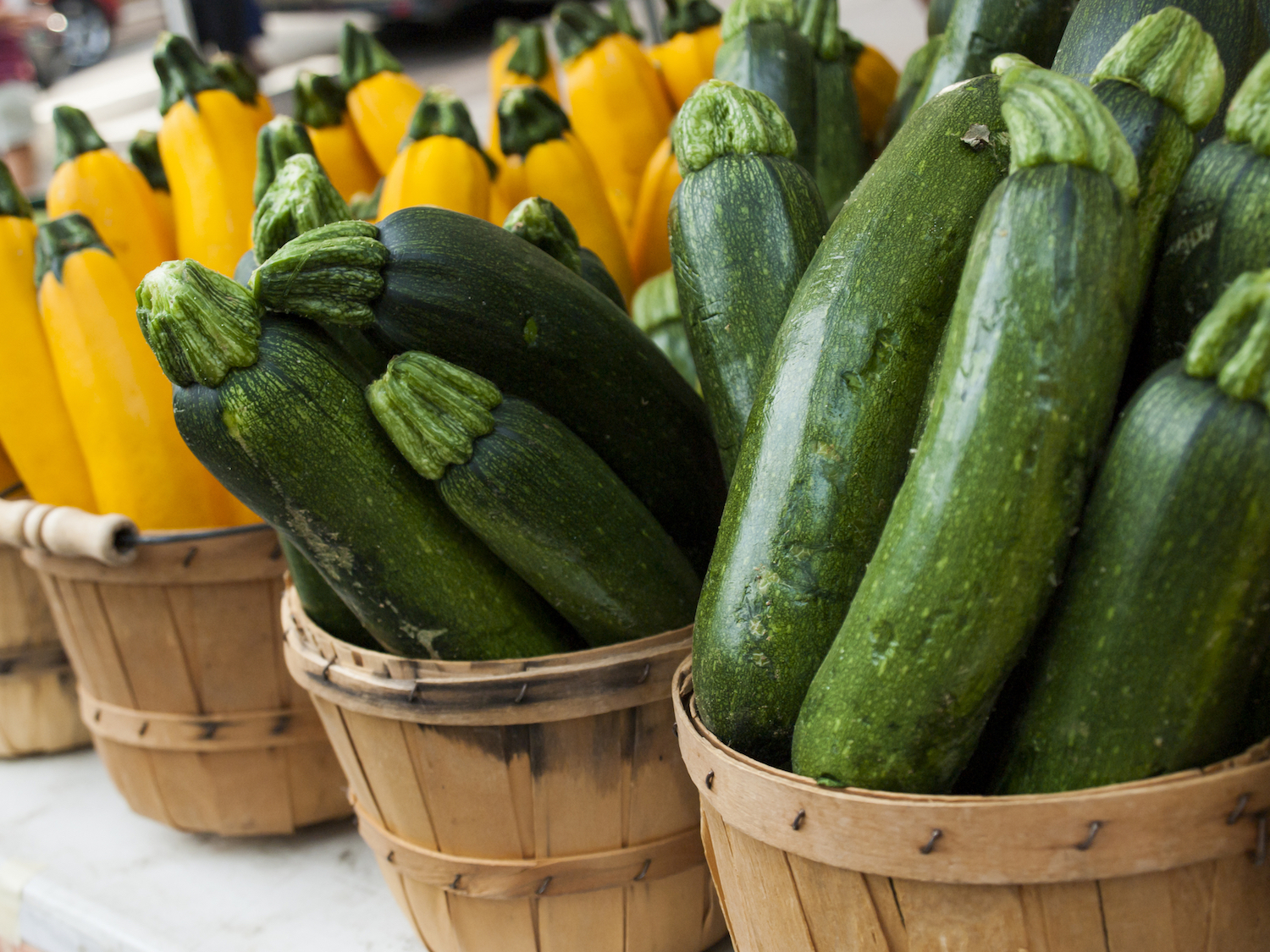
Summer squashes are picked before they’re mature. The rind is thin and edible, and you can also eat the seeds. But summer squashes can’t be stored like winter squashes. Some summer squashes in the U.S. are: Pattypan squash Crookneck squash Straightneck squash Zucchini (courgette) INFORMATION BELOW FROM 1800s COOKBOOKS: Summer Squash is a fruit vegetable belonging to the same class as eggplant, peppers, etc. and occurring in many varieties. The different kinds of this vegetable vary greatly in size, shape, and…

Read More Read More

Recipes for Sweet Fritters

Recipes for Sweet Fritters

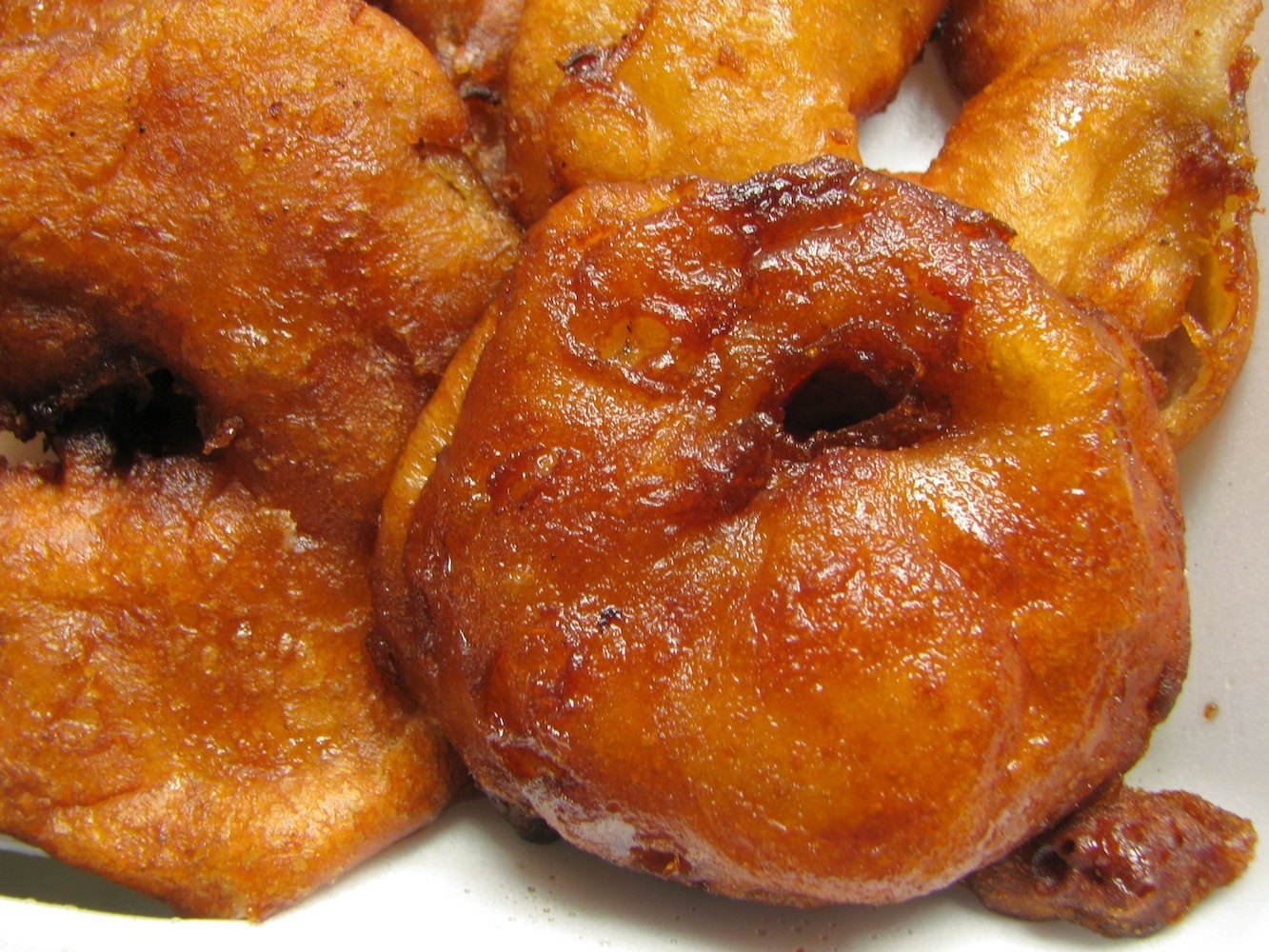
Even though these recipes are from cookbooks published in the 1800s, they can easily be followed today. If you don’t have access to lard or don’t care to use it, there are many other cooking oils you can use. Fritters can be pan fried or deep fried, and you’ll want to use an oil with a high smoking point (refer to article from “Serious Eats)”. Also, don’t put too many fritters in the oil at once; it’ll lower the temperature…

Read More Read More

Recipes Using Sweet and Bitter Almonds

Recipes Using Sweet and Bitter Almonds

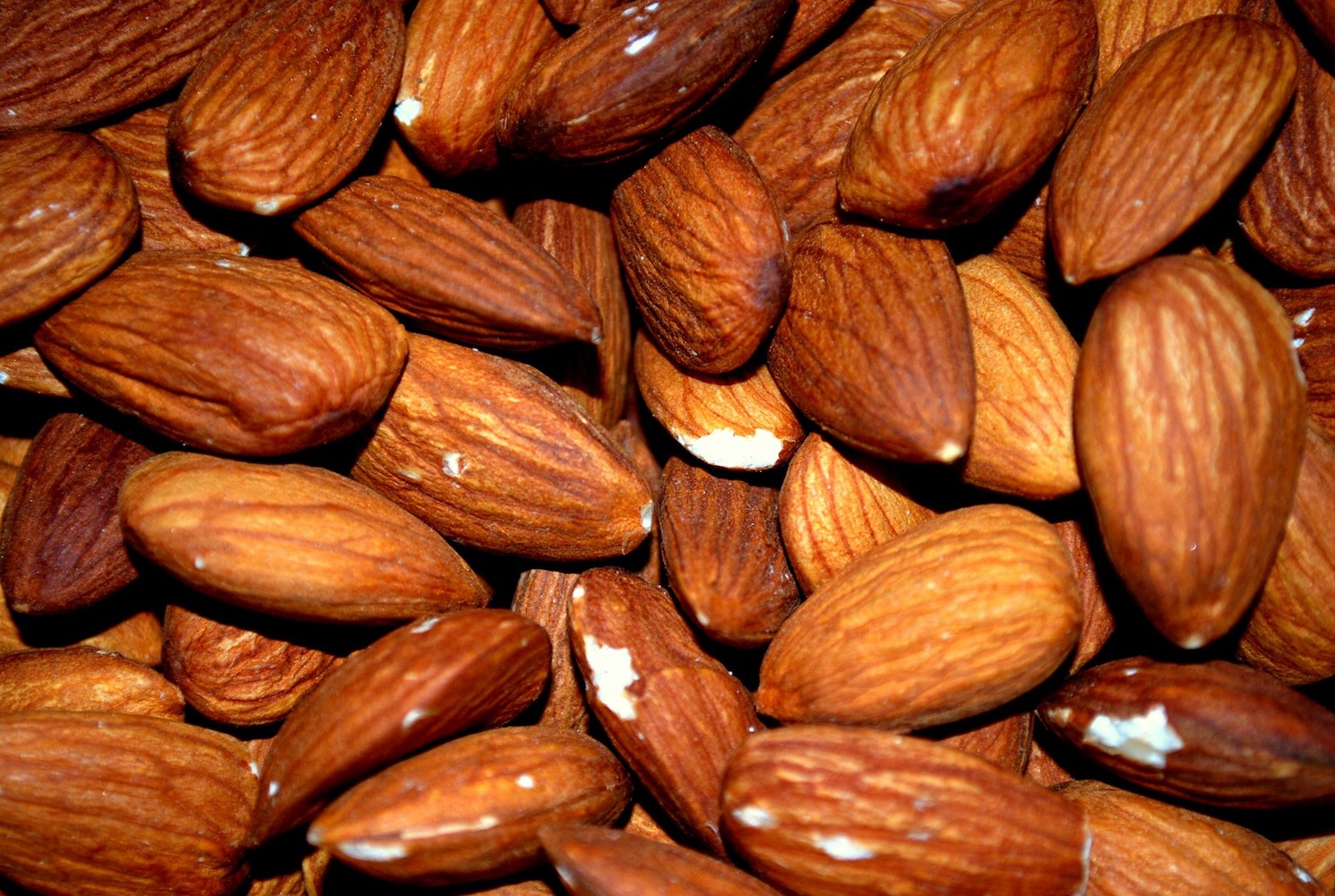
Sweet almonds are the kind we eat today in the U.S.  But old cookbooks include bitter almonds in recipes. Bitter almonds can be poisonous if you eat too many. Selling bitter almonds is prohibited in the United States, although you can buy European-grown bitter almonds online.. INFORMATION BELOW FROM 1800s COOKBOOKS: There are two varieties, known as the bitter and the sweet almond. The kernel of the almond yields a fixed oil. That produced from the bitter almond is much esteemed for…

Read More Read More

Many Ways to Cook Bacon

Many Ways to Cook Bacon

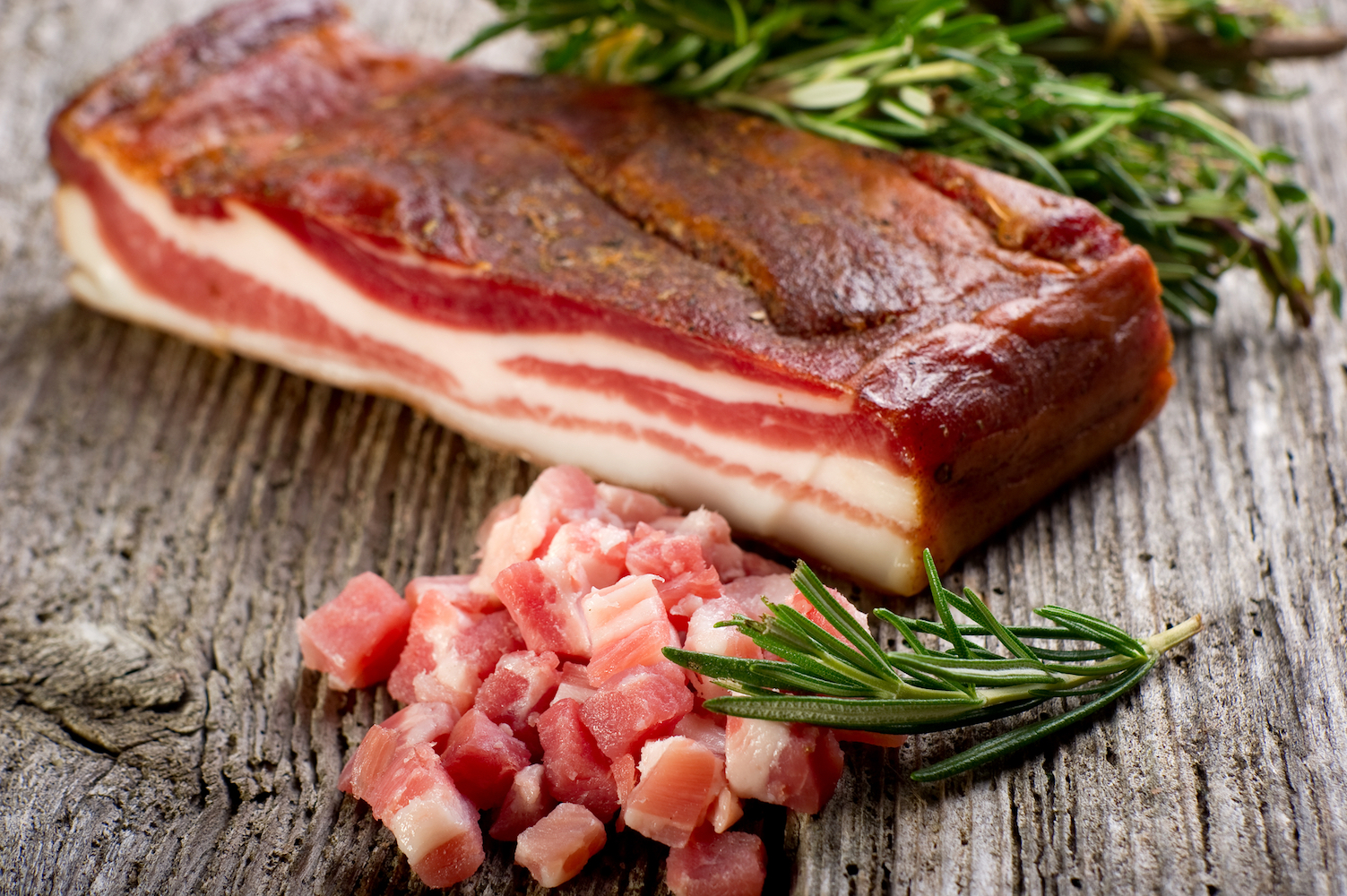
Bacon is pork meat that is salt-cured. Most bacon in the U.S. is pork cut from the side of the pig. It has long layers of fat that run parallel to the rind, and often called streaky bacon. Bacon in the U.K. is usually back bacon, which comes from the loin in the middle of the back of the pig, and is sometimes called Canadian bacon. I love the smell of bacon cooking and the taste is wonderful. I’ve only…

Read More Read More

Many Ways to Cook Green Peas

Many Ways to Cook Green Peas

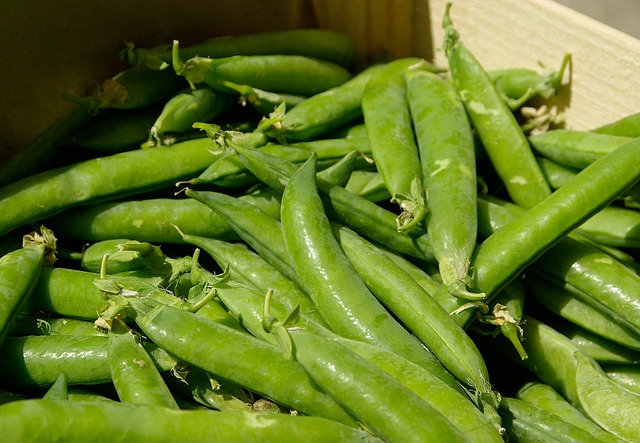
INFORMATION BELOW FROM 1800s COOKBOOKS GREEN PEAS When green peas are purchased, they are always found in the pods. They should appear to be well filled. Flat-looking pods mean that the peas have not matured sufficiently. When very young, their original flavor is so fresh and delicate, that any addition, except a little very fresh butter, would be certain to destroy their aroma. BOILED GREEN PEAS Do not shell peas until ready to cook. Boil a pan of water and…

Read More Read More

Making Homemade Cream Cheese

Making Homemade Cream Cheese

In the 1800s, cheese was made from unpasteurized raw milk. The first commercial pasteurized milk was produced in 1882, but the first law to require milk to be pasteurized wasn’t passed until 1908. (source). Cream cheese was a popular cheese to make in the 1800s since it doesn’t have to be aged. For more information on making cheese in modern times, you may want to visit the New England Cheese Making Supply Company website.  INFORMATION BELOW FROM 1800s COOKBOOKS PENNSYLVANIA CREAM…

Read More Read More