Browsed by
Author: Angela Johnson

I’ve been interested in cooking since I was a teenager. Growing up in a small town in Illinois, I ate many home-cooked meals and tried out recipes (mostly cookies). Wherever I live or travel, I check out grocery stores for unusual foods, eat at local restaurants, and buy regional cookbooks. I’m also fascinated with learning how people in the past lived, and how they obtained food and prepared it.
Make Homemade Gravy; With Meat or Without

Make Homemade Gravy; With Meat or Without

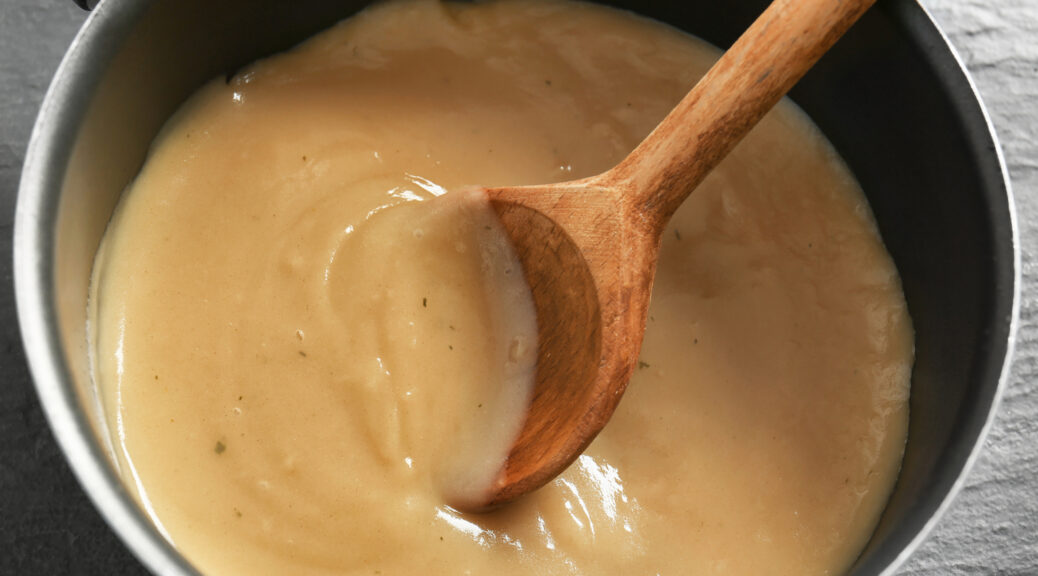
Gravy is traditionally a sauce made from meat drippings and combined with some type of thickening agent. It was especially used in French cooking and became popular in the U.S. in the 1800s. Gravies other than those made from meat include cream or white gravy, mushroom gravy, onion gravy, giblet gravy, vegetable gravy, and more. INFORMATION BELOW FROM 1800s COOKBOOKS MAKING GRAVIESNever toss “that carcass” of fowl, or the ham, or mutton-bone, “with next to nothing upon it,” to the…
Read More Read More

Best Practices for Frying Foods

Best Practices for Frying Foods

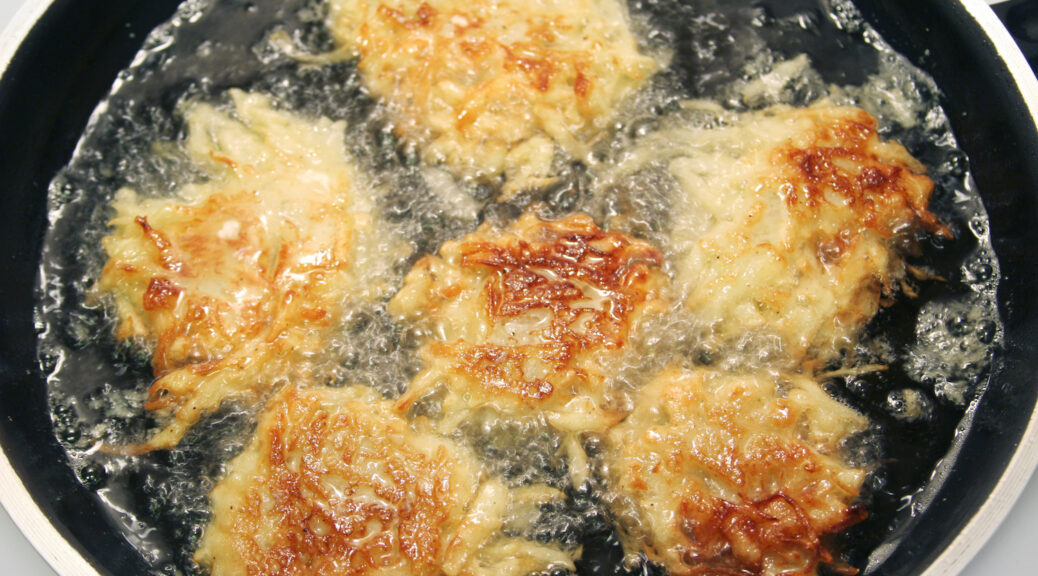
Before commercialized fats were produced, people used beef suet, pork lard, dripping from cooked meats, and butter to fry food.  “Frying, though one of the most common of culinary operations, is one that is least  performed perfectly well.” quote from an 1800s cookbook. INFORMATION BELOW FROM 1800S COOKBOOKS GENERAL RULES FOR FRYING Since fat, when heated, reaches such a high temperature, the kettle in which it is heated should be made of iron. The Dutch Oven is a very convenient…

Read More Read More

Care of Cook Ware for Wood Burning Stoves

Care of Cook Ware for Wood Burning Stoves

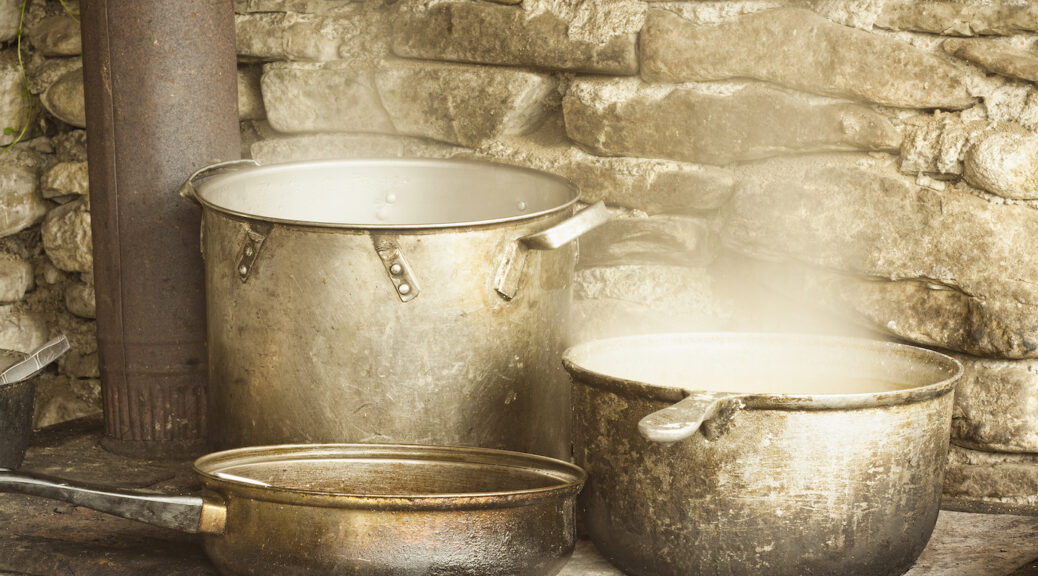
In the 1800s, you had to be careful of your cook ware or it might crack or warp. And if you used copper ware, it might even poison you! INFORMATION BELOW FROM 1800s COOKBOOKS NEW OVENS New ovens, before they are baked, should be heated half a day. The lid should be put up as soon as the wood is taken out. It should not be used for baking until it has been heated the second time. If not treated…

Read More Read More

About Sweet Corn / Green Corn

About Sweet Corn / Green Corn

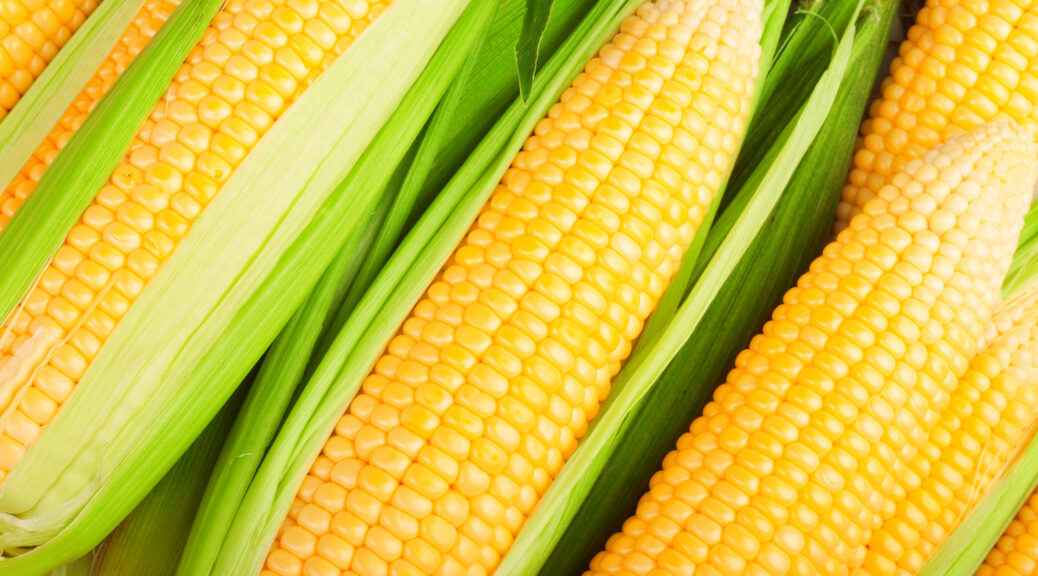
Sweet corn (also called green corn) is harvested when the kernels are soft and sweet, making it ideal for eating. If you grab an ear of field corn and try to take a bite, you’ll probably break your teeth. It’s hard and dry (and only tastes good to cows, chickens, pigs, turkeys and some wild animals). INFORMATION BELOW FROM 1800s COOKBOOKS The seeds of the maize plant, or Indian corn, especially the variety known as sweet corn, are eaten as…

Read More Read More

Baked and Fried Bananas, Fritters, Stuffing, and more..

Baked and Fried Bananas, Fritters, Stuffing, and more..

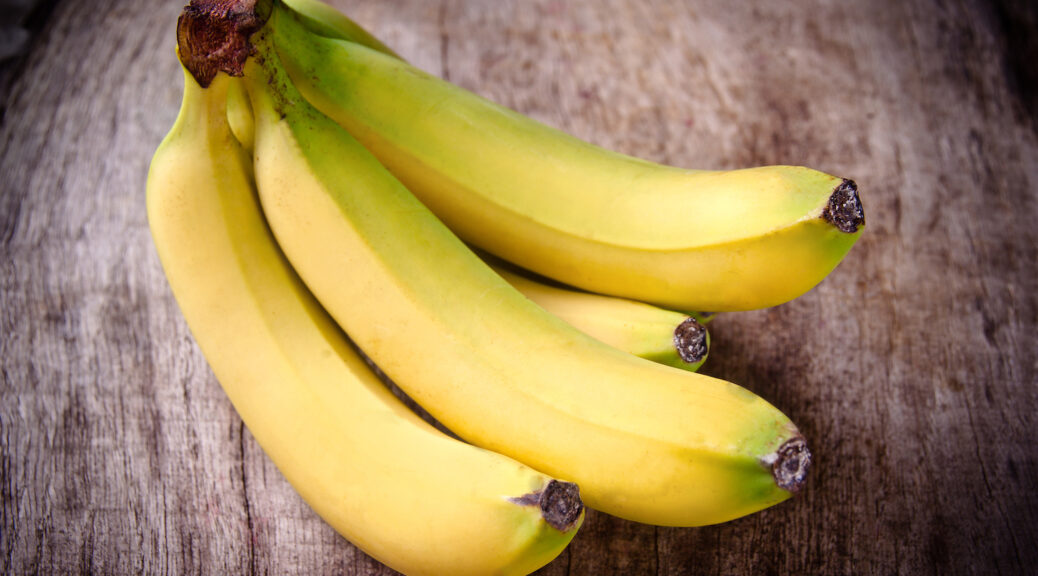
Bananas weren’t known in the United States until Captain Lorenzo Baker introduced them in 1870. They were expensive and only available to those living near port cities on the east coast. It took many years for them to become available and affordable to the average household. Even though this blog is based on 1800s cookbook recipes, I thought you might like to try some of these banana recipes from 1920. RECIPES BELOW ARE FROM MRS. WILSON’S COOKBOOK, 1920 BAKED BANANASThe simplest way…

Read More Read More

Ways to Prepare and Cook Oysters

Ways to Prepare and Cook Oysters

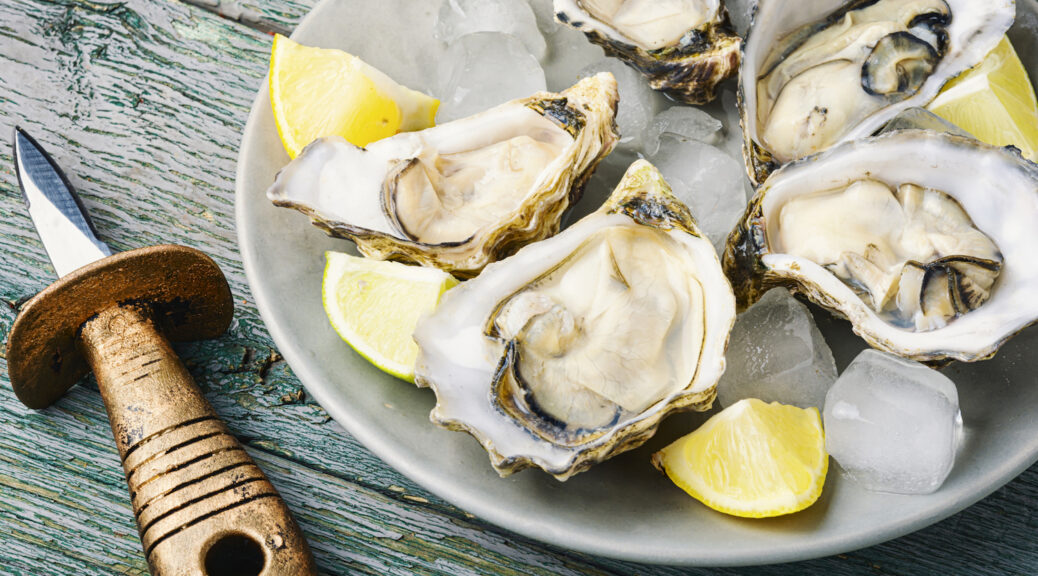
Oysters were plentiful along the U.S. east coast during the 1800s, and were cheap enough for the working class to buy. Over time, though, the demand for oysters depleted many of the beds. Their scarcity caused prices to rise and oysters became an expensive delicacy. INFORMATION BELOW FROM 1800s COOKBOOKS Oysters must be fresh and fat to be good and are in season from September to May. They are sometimes eaten during the summer months, but are not so palatable and…

Read More Read More

Raspberry Drinks and Recipes

Raspberry Drinks and Recipes

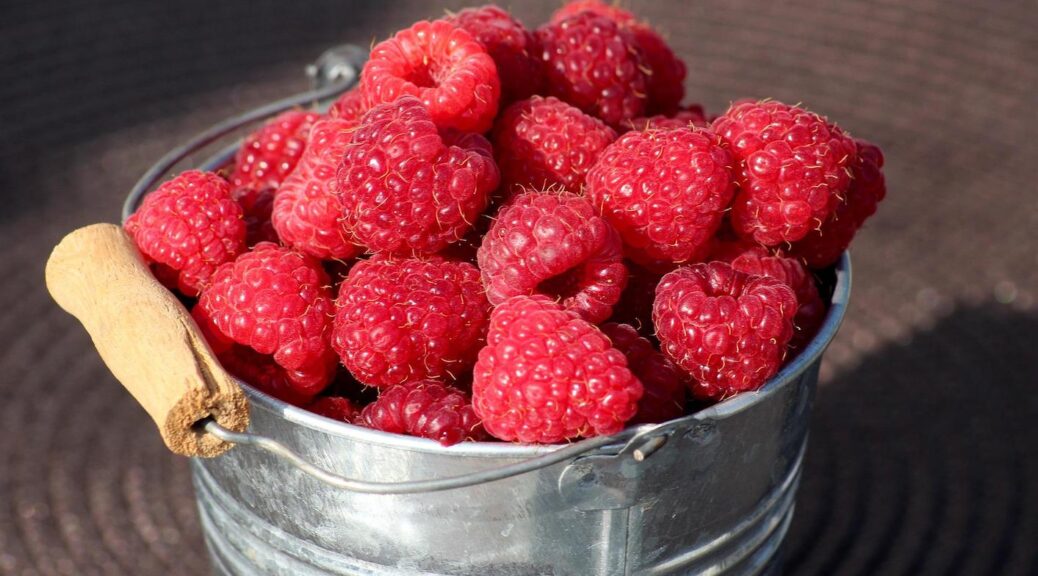
Raspberries are a seasonal fruit and quite fragile. They won’t ripen after picking, so they can’t be stored fresh for very long. Back in the 1800s, with no electricity, berries had to be eaten quickly, bottled as drinks, or preserved as jelly. INFORMATION BELOW FROM 1800s COOKBOOKS RASPBERRY ACID Dissolve five ounces of tartaric acid* in two quarts of water. Pour it on twelve pounds of red raspberries in a large bowl. Let it stand twenty-four hours and strain it…

Read More Read More

Homemade Cake Icing and Filling Recipes

Homemade Cake Icing and Filling Recipes

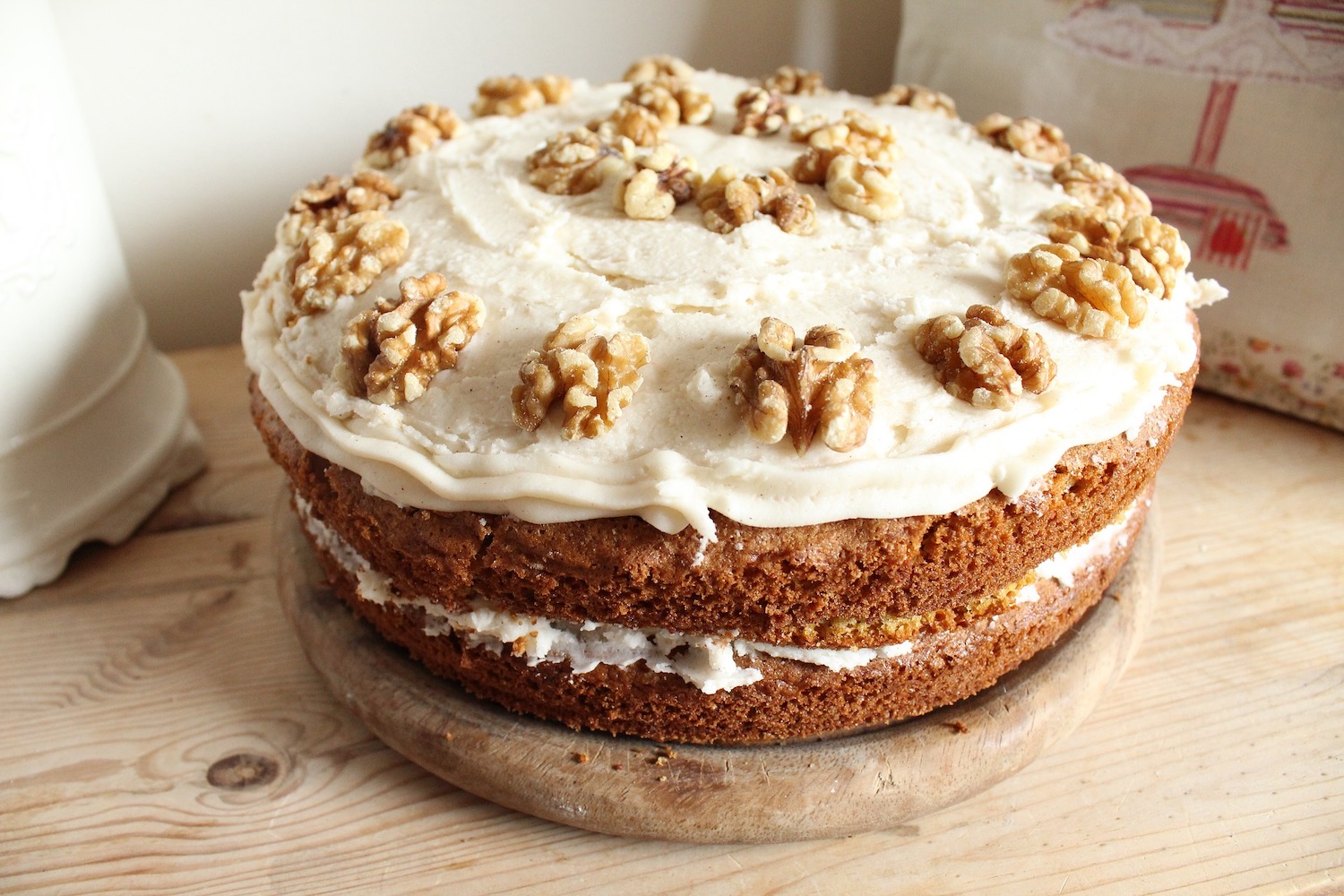
Today, some people just buy a can of ready-made frosting to ice a cake. But making your own frosting is not hard. You can try one of the many frosting and filling recipes listed below and perhaps be inspired to create one yourself. INFORMATION BELOW FROM 1800s COOKBOOKS ~~  CAKE ICING RECIPES ~~ HOW TO USE ICING Over large cakes, pour the icing by spoonfuls near the center on the top of the cake. Spread it all over the cake…

Read More Read More