Browsed by
Author: Angela Johnson

I’ve been interested in cooking since I was a teenager. Growing up in a small town in Illinois, I ate many home-cooked meals and tried out recipes (mostly cookies). Wherever I live or travel, I check out grocery stores for unusual foods, eat at local restaurants, and buy regional cookbooks. I’m also fascinated with learning how people in the past lived, and how they obtained food and prepared it.
The Wonderful Flavor of Cream

The Wonderful Flavor of Cream

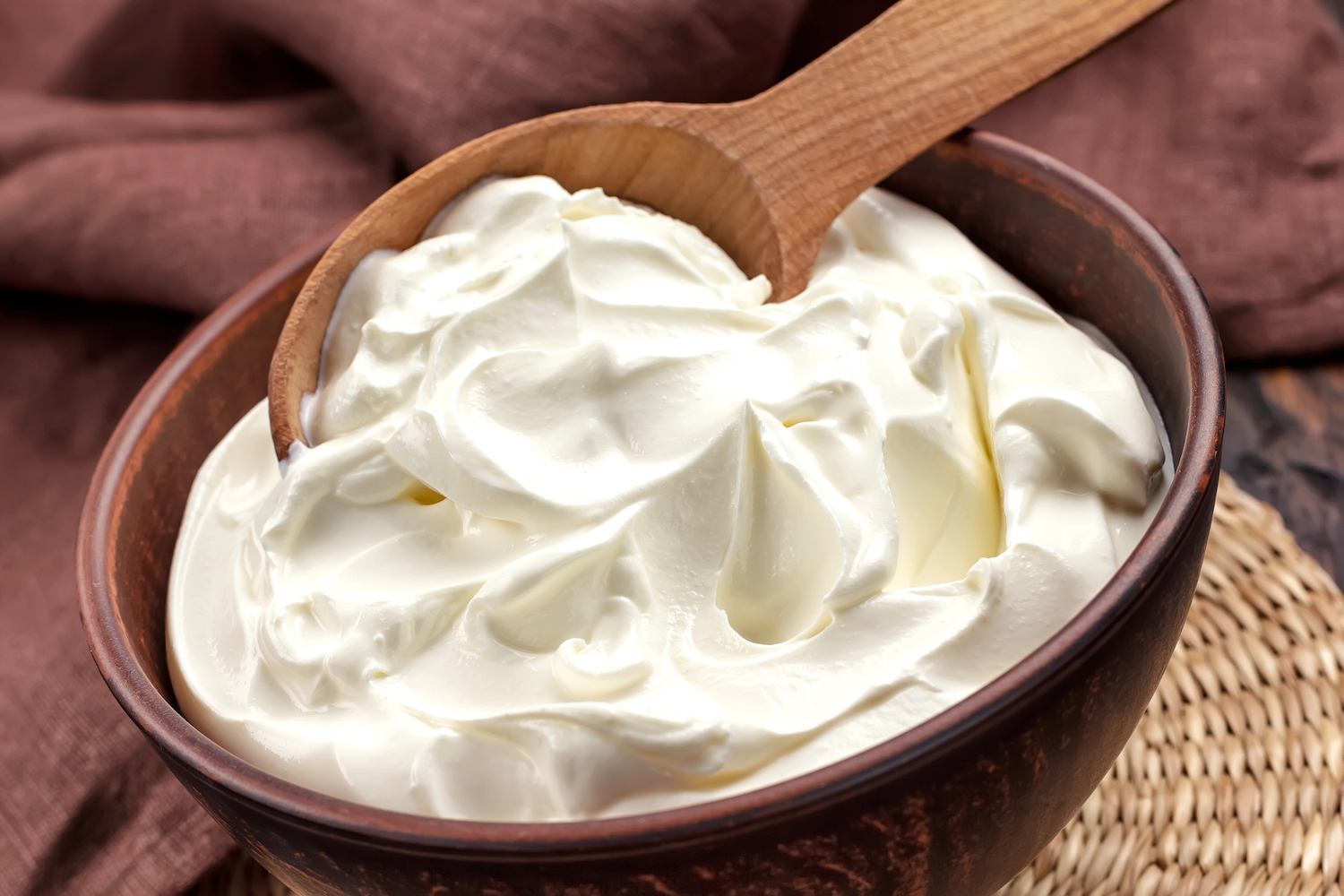
In the 1800s, milk products were not pasteurized, so cream was created by letting it rise from whole milk at room temperature. If you didn’t raise your own dairy cow, you could obtain cream by letting it rise from milk delivered by the milkman. But with no electrical refrigeration, cream didn’t remain fresh for long, so it was a luxury. Today we can buy refrigerated milk and cream at grocery stores and because they are pasteurized, they last much longer….
Read More Read More

How to Make Perfectly Poached Eggs

How to Make Perfectly Poached Eggs

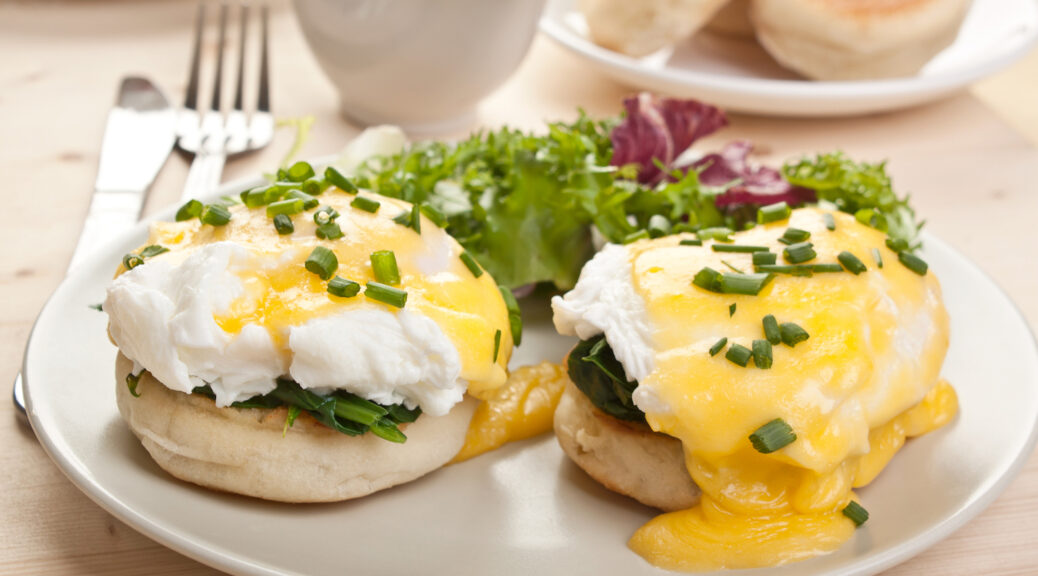
A poached egg is an egg that has been broken, gently slid into boiling water, and gently cooked. The egg should have a runny yolk, while the white stays attached to the egg and is thoroughly cooked. It takes skill to cook poached eggs that retain their shape and look appetizing. Poached eggs are often added to other dishes. INFORMATION BELOW FROM 1800s COOKBOOKS POACHED EGGS If the eggs are fresh, they will look most inviting, but the way of…

Read More Read More

Making Fruit and Vegetable Relishes

Making Fruit and Vegetable Relishes

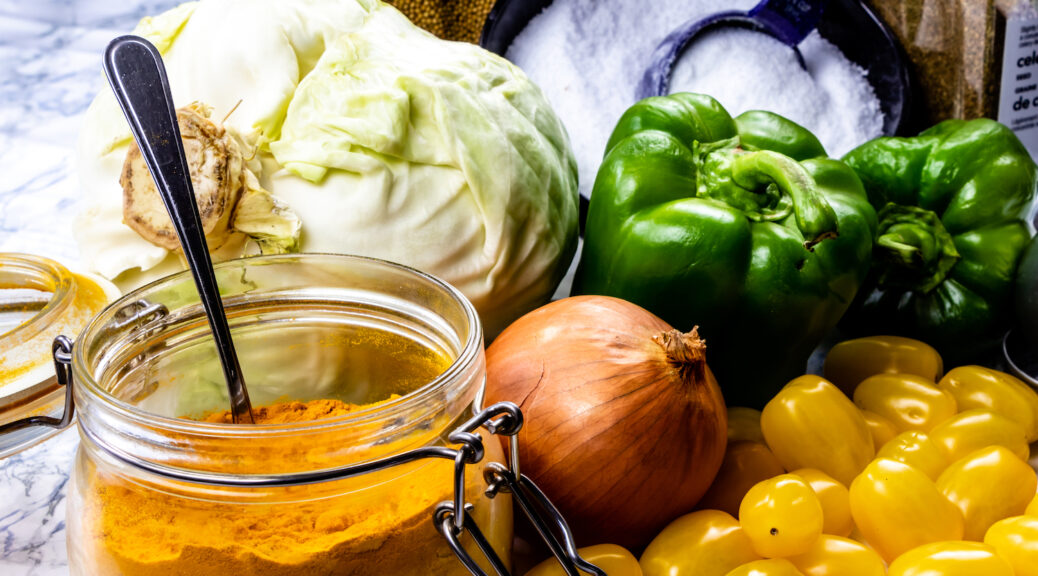
Making relish was a good way to preserve fruits and vegetables. Plus it added flavor to a plain meal and was especially welcome in the winter when produce was not in season. INFORMATION BELOW FROM 1800s COOKBOOKS PICKLINGFoods preserved by pickling are known as either pickles or relishes. While both products are similar in many respects, relishes are distinguished from pickles in that, as a rule, they are made up from more than one kind of fruit or vegetable and…

Read More Read More

Making Fresh Home-Made Yeast for Bread

Making Fresh Home-Made Yeast for Bread

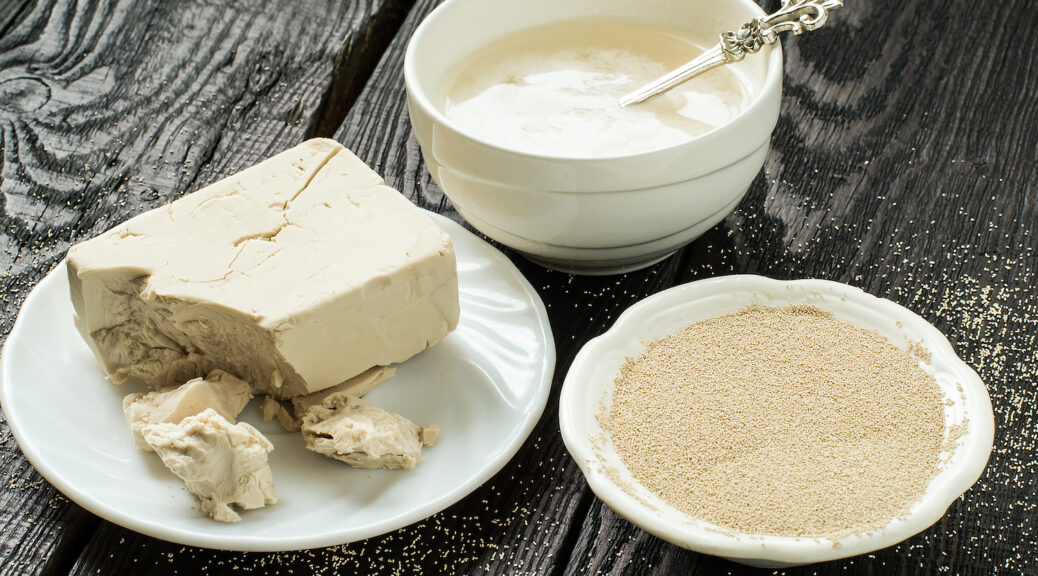
Until the mid-1800s, people made their own yeasts to use in baking bread. They made fresh yeast from hops, potatoes, pumpkin, and more. In 1868, Charles and Max Fleischmann created a compressed yeast cake and began selling it commercially.  This was certainly easier than making your own! INFORMATION BELOW FROM 1800s COOKBOOKS ON YEASTGood yeast is indispensable to good bread. Every housekeeper should make sure by her own personal attention, that the yeast is properly made and the jar well scalded….

Read More Read More

Many Ways to Use Anchovies in Recipes

Many Ways to Use Anchovies in Recipes

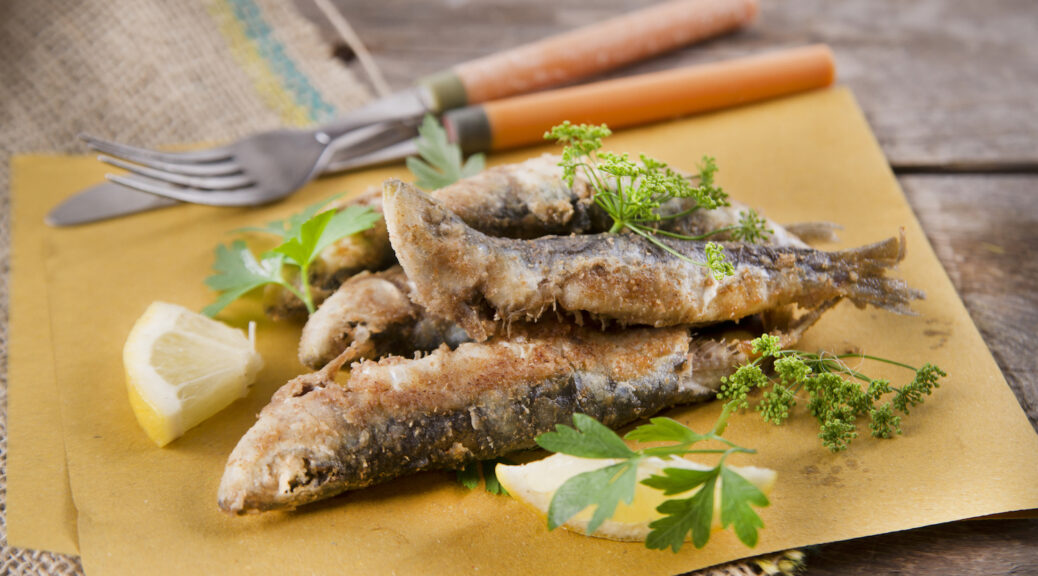
Anchovies is a name given to approximately 140 species of small “forage fish.” This means they are foraged and eaten by larger fish, sea birds, and marine mammals. Today, anchovies are mostly canned whole, bones and all.  When cooked, they will almost completely dissolve, leaving only the flavor. I never realized the many ways you can use anchovies until I began reading through 1800s cookbooks. INFORMATION BELOW FROM FROM 1800s COOKBOOKS BUYING ANCHOVIES These delicate fish are preserved in barrels…

Read More Read More

Fresh Homemade Egg Nog Recipes

Fresh Homemade Egg Nog Recipes

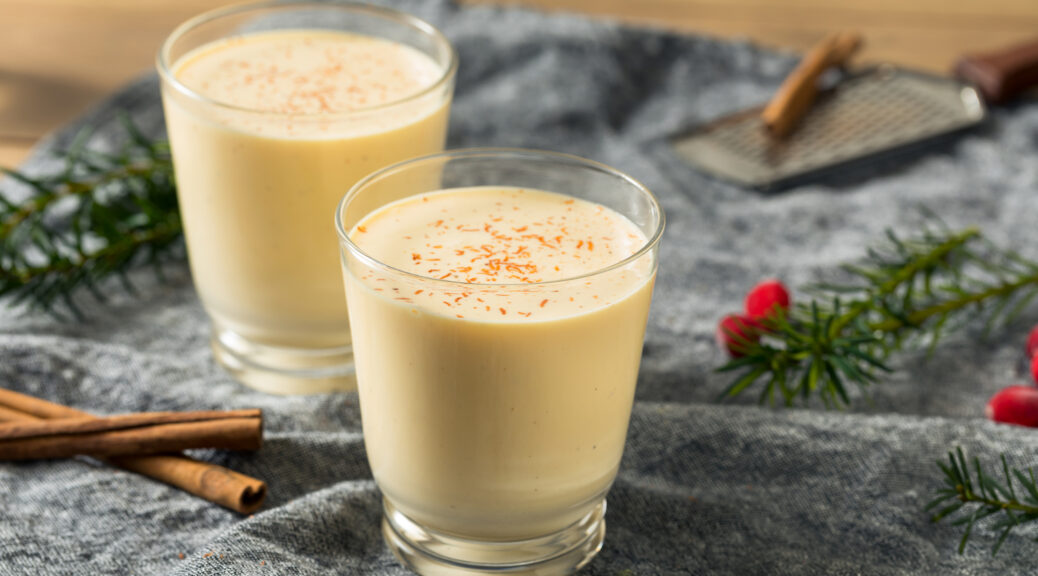
Egg-nog (also known as milk or egg milk punch) was originally made of milk or cream, sugar, raw eggs, some type of alcohol, and various spices. Today you can buy many types of commercially prepared eggnogs including those that use almond, rice, or coconut milk. NOTE: Many of the recipes spelled Egg Nogg with two ‘gs’ at the end. I rather like it as it matches the two ‘gs’ in the word “egg.” INFORMATION BELOW FROM 1800s COOKBOOKS: EGG-NOGG Beat…

Read More Read More

Nourishing Drinks for Invalids and Convalescents

Nourishing Drinks for Invalids and Convalescents

In the 1800s, people often lived far from a doctor or couldn’t afford to pay one. So they treated illnesses by following advice from neighbors and family members, or by reading cookbooks or medical books. If a patient didn’t feel like eating, it was important to offer a variety of nourishing drinks. INFORMATION BELOW FROM 1800s COOKBOOKS: The preparation of food and drink for the sick and convalescent person is even more important than the preparation for the strong and…

Read More Read More

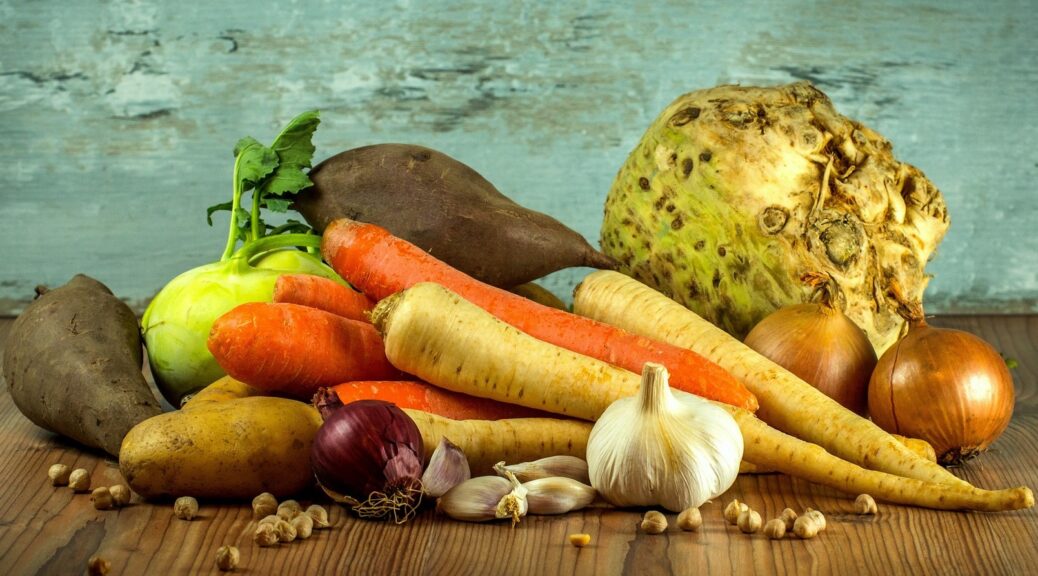
Best Ways to Prepare Vegetables for Cooking

Best Ways to Prepare Vegetables for Cooking

In the 1800s, vegetables were mostly picked from gardens, bought fresh from the market, or stored in cellars for future use.  People couldn’t afford to waste food, so advice on preparing and cooking vegetables was certainly appreciated. INFORMATION BELOW FROM 1800s COOKBOOKS GREEN VEGETABLES – Wash green vegetables first in warm water to remove insects. Then rinse in cold water. Or put a pinch of borax in the water. It will bring any live insect to the surface at once….

Read More Read More