Blog

Interesting Beet (Beetroot) Recipes

Interesting Beet (Beetroot) Recipes

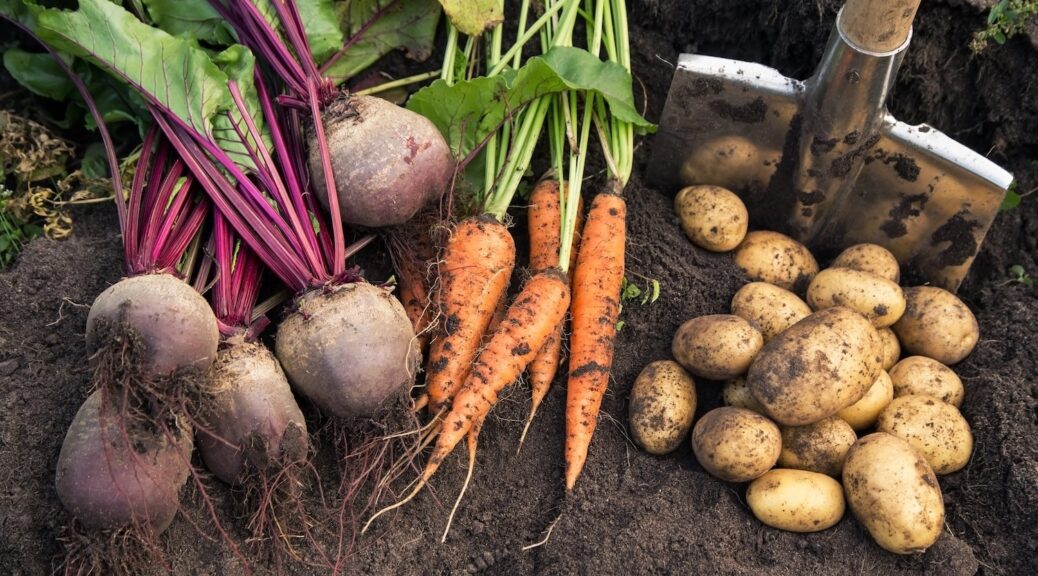
Beets (also called beetroots) were an important root crop in the 1800s.  They kept well during the winter, were nutritious, and provided color to a meal. Beet tops (greens) and stalks were also cooked, but only when fresh. I had only eaten canned pickled beets until recently.  A friend baked some beets that were drizzled with olive oil and I liked them. The beet recipes below also sound interesting, especially the Beetroot Fritters. INFORMATION BELOW FROM 1800s COOKBOOKS SELECTING BEETS…

Read More Read More

Making Homemade Cottage Cheese

Making Homemade Cottage Cheese

Before electric refrigeration, milk often soured before it could be used, But sour milk was not wasted. It was allowed to clabber or get thick, and then could be made into cottage cheese. My grandmother made her own cottage cheese and used to tie it in cloth bags and hang them from the clothes line to drain. She didn’t get electricity on her farm until 1950. Cottage cheese was also called Dutch, Curd, Sour Milk cheese or Smearcase. The milk…

Read More Read More

Roast Goose and Christmas Goose Pie

Roast Goose and Christmas Goose Pie

Although people in the 1800s did hunt wild geese, a Christmas or holiday goose was more often a barnyard bird raised on farms. Wild geese are leaner, more muscular, and often older birds than domestic ones. Therefore, they need to be cooked a little differently. Recipes in cookbooks, unless specifically a cookbook for game, are for cooking geese raised on farmland. In the mid to late 1800s, though, turkey began overtaking goose as the meat for winter holidays. It was…

Read More Read More

Advice on Making Family Bread

Advice on Making Family Bread

INFORMATION BELOW FROM 1800s COOKBOOKS GENERAL DIRECTIONS.The first thing required for making wholesome bread is the utmost cleanliness. The next is the soundness and sweetness of all the ingredients used for it. In addition to these, there must be attention and care through the whole process. Salt is always used in bread-making, not only on account of its flavor, which destroys the insipid raw state of the flour, but because it makes the dough rise better. Some suppose that bread…

Read More Read More

Gruel Recipes – Food For The Sick 

Gruel Recipes – Food For The Sick 

Gruel is served as an easily digestible meal, especially for invalids or children. While similar to porridge, gruel is thinner and more liquid, sometimes being drunk rather than eaten with a spoon.  The nutritional value of gruel depends on the grain used. They contain carbohydrates and some essential nutrients but are not a good source of protein or fat. In history, gruel was commonly served in institutions like workhouses, hospitals, and orphanages. But gruel recipes in 1800s cookbooks depict them as…

Read More Read More

Homemade Curry Powder and Curry Recipes

Homemade Curry Powder and Curry Recipes

Curry powder recipes and dishes were popular in 1800s cookbooks. Prepared curry powder could be purchased, but making it yourself was considered superior. However, ingredients  were often hard to find at the grocer’s or too expensive. INFORMATION BELOW FROM 1800s COOKBOOKS CURRIES UNDER VARIOUS NAMES Curries can be made from anything. The ingredients indispensable to all curries is a very pungent powder called turmeric, which has a peculiar flavor of its own. In India there is always something acid in…

Read More Read More

How to Pickle Fresh Fruit

How to Pickle Fresh Fruit

Home canning wasn’t popular until the Mason jar was invented in 1858. It had a screw-on threaded rim and metal lid with a rubber seal. Now, rather than relying on the traditional method of pickling or salting food and storing it in large stone crocks, food could be canned and in smaller quantities. PLEASE NOTE: if any of the recipes below sound interesting, use a modern cookbook for canning directions. The instructions below are a bit vague and may not…

Read More Read More

Making Seafood Soups and Chowders

Making Seafood Soups and Chowders

Seafood was common and cheap on the East Coast during the early part of the 1800s. But overharvesting and overfishing made them scarcer and expensive. INFORMATION BELOW FROM 1800s COOKBOOKS OYSTER BOUILLONBring to the boil in their own liquor a quart of oysters. Skim out the oysters, chop fine, and return to the liquor. Add a quart of water, a teaspoon of celery seed, and a tablespoon of butter. Simmer for half an hour, strain through cheese-cloth, season with salt…

Read More Read More